Nikhil Prasad Fact checked by:Thailand Medical News Team Dec 09, 2025 9 months, 3 weeks, 4 days, 22 hours, 7 minutes ago
Medical News: Ancient Herb Offers New Path to Treat Prostate Issues
Researchers in Mexico have discovered that a traditional medicinal plant, Dysphania ambrosioides—also known locally as epazote—may offer new, natural treatment options for men suffering from benign prostatic hyperplasia (BPH) and prostatitis. These two conditions, which cause frequent urination, pain, and inflammation, affect millions of aging men globally. Current pharmaceutical treatments often bring side effects such as sexual dysfunction or metabolic problems, prompting researchers to look toward safer alternatives from nature.
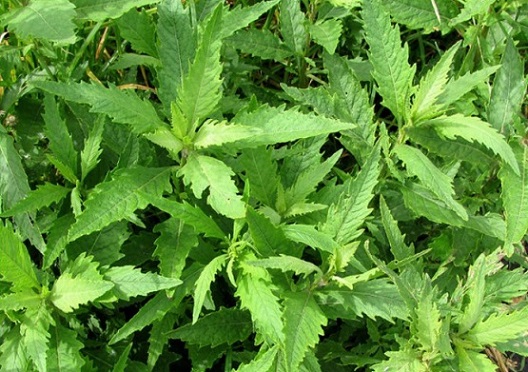 Researchers discover that compounds in the herb Dysphania ambrosioides may help treat prostate
conditions like BPH and prostatitis without the side effects of conventional drugs
This
Medical News report covers the findings from scientists at the Centro de Investigación Biomédica del Sur, Instituto Mexicano del Seguro Social (IMSS), the Universidad Autónoma del Estado de Morelos (UAEM), and Hospital General Regional, IMSS in Cuernavaca, Mexico.
Understanding the Conditions
BPH is a common, non-cancerous enlargement of the prostate gland that can severely impact quality of life. Prostatitis, often occurring alongside BPH, is a painful inflammation of the prostate that can become chronic. Both are linked to hormonal imbalances, oxidative stress, and inflammation—factors that researchers targeted in this new study using Dysphania ambrosioides.
A Deep Dive into the Plant's Compounds
The study began by reviewing 35 different global research papers spanning 20 years, all focused on the antioxidant strength of D. ambrosioides. Using a measurement called the DPPH assay, scientists picked the strongest plant extracts and zeroed in on the active compounds they contained.
Two natural substances stood out: luteolin, a flavonoid, and rosmarinic acid, a type of phenolic acid. Both compounds demonstrated powerful antioxidant and anti-inflammatory activity. Researchers then used advanced computer simulations to predict how these compounds might interact with five key proteins involved in BPH and prostatitis—including the androgen receptor, enzymes involved in hormone conversion, and proteins linked to inflammation and smooth muscle contraction.
Powerful Results from Virtual Testing
The virtual docking tests revealed that both luteolin and rosmarinic acid bound strongly to the same targets as well-known drugs like finasteride (used for BPH), celecoxib (an anti-inflammatory), and tamsulosin (used to relax prostate muscles). The binding energies of these natural compounds were nearly as strong, suggesting similar therapeutic potential.
Luteolin showed high versatility, targeting inflammation and muscle contraction pathways. Rosmarinic acid was especially effective at targeting hormone-related proteins, mimicking how prescription medications work—but without the side effects.
;
Why This Matters
These natural compounds not only showed potential to reduce prostate inflammation and slow gland growth, but also to relax muscles in the prostate and bladder, helping to ease urinary symptoms. Importantly, they were predicted to be non-toxic, safe for the liver and kidneys, and unlikely to cause side effects common with pharmaceutical drugs.
The researchers stress that while the results are promising, these are early-stage findings based on computer models. Lab and clinical trials are needed to confirm the effects in real-world patients. Still, this study provides strong scientific support for the traditional use of epazote in treating male urological problems.
The study findings were published in the peer reviewed journal: Scientia Pharmaceutica
https://www.mdpi.com/2218-0532/93/4/57
For the latest on Herbs and Phytochemicals and Prostate Issues, keep on logging to Thailand
Medical News.
Read Also:
https://www.thailandmedical.news/articles/herbs-and-phytochemicals




 Share
Share
 Tweet
Tweet
 Share
Share

































