St John’s Wort Shows Powerful Protection Against Toxic Chromium Damage to Pancreas
Nikhil Prasad Fact checked by:Thailand Medical News Team Apr 22, 2026 5 months, 1 week, 6 days, 11 hours, 41 minutes ago
Medical News: Rising Concern Over Hidden Heavy Metal Damage
A new scientific study has raised serious concerns about the damaging effects of hexavalent chromium, a toxic heavy metal widely found in industrial pollution, on the pancreas. Researchers found that prolonged exposure can severely harm the insulin-producing regions of the pancreas, potentially increasing the risk of blood sugar disorders.
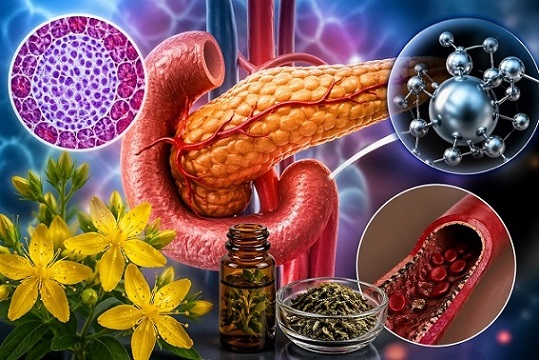 Natural plant extract helps reverse toxic metal damage and restore blood sugar balance
The study was conducted by scientists from the Faculty of Veterinary Medicine at the University of Life Sciences “King Mihai I” from Timisoara, the Faculty of Medicine at West University “Vasile Goldis” in Arad, and the Faculty of Chemical Engineering, Biotechnologies and Environmental Protection at Politehnica University Timisoara, all in Romania.
How Chromium Damages the Pancreas
Hexavalent chromium, commonly released from industries such as leather processing and metal plating, was shown to directly damage the pancreas after long-term exposure. The pancreas plays a critical role in controlling blood sugar through insulin production.
Researchers observed swelling, structural breakdown, and shrinking of the islets of Langerhans—the parts of the pancreas responsible for insulin secretion. In some cases, these vital structures were severely reduced or nearly destroyed. Cells also showed signs of degeneration and stress, including abnormal swelling and damage to internal components.
These changes were linked to oxidative stress, a process where harmful molecules called free radicals damage cells. The study also found increased activity in genes linked to cell death, indicating that chromium exposure pushes pancreatic cells toward self-destruction.
Blood Sugar Levels Also Affected
The damage was not just structural. Animals exposed to chromium showed significantly higher blood glucose levels, confirming that the pancreas was no longer functioning properly. This suggests a possible link between environmental toxins and metabolic disorders such as diabetes.
Interestingly, stopping chromium exposure alone did not reverse the damage. In fact, some effects became worse, showing that the toxic impact may continue even after exposure ends.
Natural Plant Extract Offers Protection
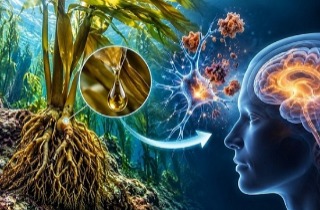
In the middle of the study, researchers introduced an extract from Hypericum perforatum, commonly known as St John’s wort, a plant rich in natural antioxidants. This
Medical News report highlights that the extract showed both protective and healing effects on the pancreas.
When given alongside chromium, the plant extract reduced damage slightly. However, the most remarkable results were seen when the extract was administered after chromium exposure. In these cases, the pancreas began to recover significantly.
The treated group sh
owed restored pancreatic structure, healthier cells, and a return of the islets of Langerhans to near-normal size. Blood vessels improved, swelling disappeared, and blood sugar levels dropped closer to normal.
Why St John’s Wort Works
The benefits are believed to come from powerful antioxidant phytochemical compounds in the plant, including flavonoids such as quercetin, rutin, and hyperoside. These phytochemicals help neutralize harmful free radicals, reduce inflammation, and protect cells from damage.
They also appear to regulate key genes that control whether cells survive or die, helping restore balance in damaged pancreatic tissue.
Conclusion
The findings reveal a troubling link between environmental chromium exposure and serious pancreatic damage that may contribute to metabolic diseases. More importantly, they highlight the potential of natural compounds like St John’s wort to not only protect but also repair damaged tissues. The study suggests that antioxidant-based therapies could play a future role in managing toxin-induced health conditions. However, further research in humans is needed before any clinical recommendations can be made.
The study findings were published in the peer reviewed International Journal of Molecular Sciences.
https://www.mdpi.com/1422-0067/27/8/3706
For the latest on herbs and phytochemicals, keep on logging to Thailand
Medical News.
Read Also:
https://www.thailandmedical.news/articles/herbs-and-phytochemicals




 Share
Share
 Tweet
Tweet
 Share
Share