Nikhil Prasad Fact checked by:Thailand Medical News Team May 18, 2026 3 months, 2 weeks, 1 day, 9 hours, 16 minutes ago
Medical News: A major scientific breakthrough by researchers from the Buck Institute for Research on Aging has revealed how a rare genetic variant known as APOE2 may help protect the brain from aging, dementia, and Alzheimer’s disease while also supporting exceptional longevity.
 New research reveals that the APOE2 longevity gene may help brain cells resist aging, DNA damage, and
Alzheimer’s disease
For decades, scientists have known that people carrying the APOE2 variant of the apolipoprotein E gene tend to live longer and have a much lower risk of developing Alzheimer’s disease. However, the exact biological reasons behind this protection remained poorly understood. Now, researchers have uncovered evidence showing that APOE2 helps brain cells repair DNA damage more efficiently and resist harmful cellular aging processes that contribute to neurodegeneration.
APOE2 Helps Brain Cells Stay Younger
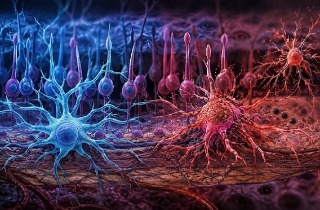
The new study found that APOE2 protects neurons by preserving the integrity of their DNA and preventing cells from entering a damaging state called cellular senescence. Senescent cells are aged and dysfunctional cells that accumulate over time and are increasingly recognized as major drivers of brain aging and Alzheimer’s disease.
According to senior researcher Dr. Lisa M. Ellerby, APOE2 neurons were much better at resisting stress and recovering from damage compared to neurons carrying APOE3 or the high-risk APOE4 variant.
Scientists discovered that APOE2 neurons activated powerful DNA repair pathways that helped maintain genomic stability inside brain cells. In contrast, APOE4 neurons showed extensive DNA damage, signs of chromatin instability, and gene expression patterns strongly associated with Alzheimer’s disease.
Researchers Used Human Brain Cells and Aging Mice
To better understand how APOE variants affect the aging brain, scientists engineered human induced pluripotent stem cells so that the only genetic difference between them was the APOE version they carried. The researchers then developed two types of human neurons from these cells: inhibitory GABAergic neurons and excitatory glutamatergic neurons.
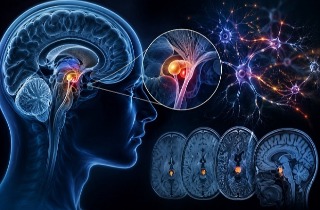
The team also studied hippocampal tissue from elderly mice carrying human APOE2, APOE3, or APOE4 genes. The hippocampus is one of the most important brain regions involved in memory and is severely affected in Alzheimer’s disease.
Across both human neurons and mouse brain tissue, APOE2 consistently showed remarkable protective effects against cellular aging and DNA damage. This
Medical News report highlights how the findings significantly expand scientific understanding of APOE biology beyond its traditional role in cholesterol transport and amyloid plaque formation.
Important Findings from The Study
One of the most striking discoveries was that APOE2 neurons accumulated far less DNA damage than APOE4 neurons. Advanced RNA sequencing revealed
that APOE2 strongly enhanced DNA repair signaling pathways while APOE4 promoted molecular changes linked to neurodegeneration.
Researchers also found that APOE2 neurons resisted stress-induced senescence. When exposed to radiation or the chemotherapy drug doxorubicin, APOE2 neurons displayed lower levels of aging markers such as p16 and CRYAB. They also maintained healthier nuclear architecture and smaller nucleoli, both considered important markers of healthy brain aging.
The study further showed that APOE2 helped preserve proteins such as Lamin A/C and heterochromatin structures that stabilize the cell nucleus and protect DNA integrity. APOE4 neurons, on the other hand, showed enlarged nucleoli, persistent DNA damage signaling, and weakened nuclear stability.
APOE2 Protein May Even Help High-Risk APOE4 Brains
In another surprising finding, scientists added recombinant APOE2 protein directly into APOE4 neurons. This significantly reduced DNA damage signaling after radiation exposure, suggesting that APOE2’s protective benefits may potentially be transferable and not limited only to genetics.
Researchers believe this discovery could open entirely new treatment strategies for Alzheimer’s disease. Instead of focusing solely on amyloid plaques, future therapies may target DNA repair pathways, nuclear stability, and the removal of senescent brain cells.
The researchers also noted that APOE4 carriers face dramatically increased Alzheimer’s risk. Individuals with one APOE4 copy may have about four times greater risk of Alzheimer’s disease, while those carrying two copies may face up to fourteen times higher risk.
New Hope for Future Alzheimer’s Treatments
The findings strongly suggest that maintaining genomic stability in neurons may be one of the most important defenses against brain aging and dementia. Scientists believe therapies that mimic APOE2 activity or strengthen neuronal DNA repair mechanisms could eventually help slow Alzheimer’s disease progression and improve healthy aging.
Importantly, the study establishes a direct connection between APOE2, enhanced DNA repair, resistance to cellular senescence, preserved nuclear integrity, and healthier brain aging. These discoveries may reshape future Alzheimer’s research and create new opportunities for therapies designed to slow neurodegeneration before irreversible brain damage occurs. While more studies are needed, the research offers powerful new evidence that APOE2 acts as a true longevity gene capable of protecting the aging brain at the cellular level.
The study findings were published in the peer reviewed journal: Aging Cell.
https://onlinelibrary.wiley.com/doi/10.1111/acel.70494
For the latest on longevity research, keep on logging to Thailand
Medical News.
Read Also:
https://thailandwellness.news/
https://www.thailandmedical.news/articles/anti-aging
https://www.thailandmedical.news/articles/alzheimer,-dementia-
https://www.thailandmedical.news/articles/genomics-and-epigenetics




 Share
Share
 Tweet
Tweet
 Share
Share