Tofacitinib Shows Promise in Treating Anti-MDA5 Dermatomyositis Triggered by COVID-19 Vaccines
Nikhil Prasad Fact checked by:Thailand Medical News Team Mar 10, 2026 4 months, 4 weeks, 1 day, 2 hours, 55 minutes ago
Medical News: Understanding a Rare Autoimmune Condition
Dermatomyositis is a rare autoimmune disease in which the body’s immune system mistakenly attacks its own tissues, especially the skin and muscles. People with this condition often develop unusual rashes, muscle weakness, joint pain, and inflammation throughout the body. A specific subtype of this illness involves antibodies known as anti-MDA5 antibodies. This form of dermatomyositis is considered particularly serious because it is often linked to severe lung complications known as interstitial lung disease.
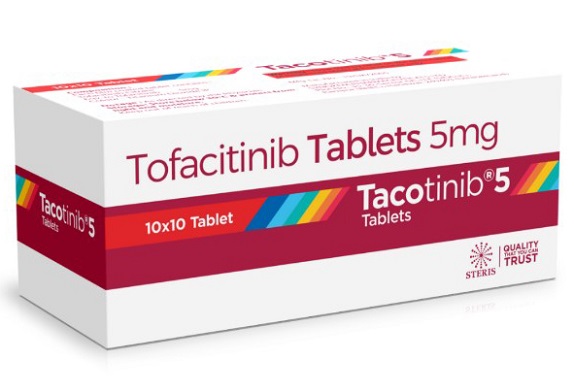
New research suggests the drug tofacitinib may help control rare autoimmune skin disease linked to anti-MDA5 antibodies after COVID-19 vaccination
Scientists have recently been investigating whether rare immune reactions may occur after certain infections or vaccinations. In a new scientific review and clinical observation, researchers explored cases of anti-MDA5 dermatomyositis appearing after COVID-19 vaccination and examined how a drug called tofacitinib may help treat the condition.
The research was conducted by scientists from the Rheumatology Unit at S. Giovanni di Dio Hospital, Azienda USL-Toscana Centro in Florence, Italy; the Clinical Pathology Department at S. Giuseppe Hospital, Azienda USL-Toscana Centro in Empoli, Italy; and the Immunology and Allergology Laboratory Unit at S. Giovanni di Dio Hospital, Azienda USL-Toscana Centro in Florence, Italy.
Why Anti-MDA5 Dermatomyositis Matters
Anti-MDA5 dermatomyositis is a distinct form of the disease characterized by skin symptoms, joint pain, and in many cases severe lung inflammation. The MDA5 protein normally helps the immune system detect viruses. However, when the immune system mistakenly creates antibodies against MDA5, it can trigger excessive inflammation.
Researchers note that COVID-19 mRNA vaccines activate antiviral immune pathways involving interferons, which are signaling proteins used by the body to fight infections. In extremely rare circumstances, this immune activation may contribute to autoimmune reactions in individuals who are genetically or immunologically susceptible.
The condition can present in several ways. Some patients develop severe lung disease with breathing problems, while others mainly show skin symptoms such as rashes around the eyes, chest, and joints. Because the symptoms vary widely, diagnosis can be difficult and often requires specialized antibody testing.
A Newly Reported Patient Case
The researchers also described the case of a 60-year-old woman who developed symptoms approximately two weeks after receiving her fourth dose of the Pfizer-BioNTech COVID-19 vaccine.
Initially, she experienced a burning rash on her arm that gradually spread to her neck, face, chest, and hands. She later developed classic dermatomyositis skin signs including a heliotrope rash around the eyes, red patches across the chest known as the V-sign, and Gottron’s papules on the joints of the fingers. She also experienced painful finger ulcers and joint pain affecting her hands and knees.
Blood tests revealed high levels of anti-MDA5 antibodies as well as anti-Ro52 antibodies, both markers linked to autoimmune inflammation. Despite the typical skin sympto
ms, imaging scans showed no evidence of lung disease, which can often make this subtype especially dangerous.
Doctors diagnosed the patient with amyopathic dermatomyositis, meaning the disease mainly affected the skin without significant muscle weakness.
How Tofacitinib Helped Control the Disease
The patient was treated with a combination of medications including prednisone to control inflammation, alprostadil infusions to help heal finger ulcers, and the Janus kinase inhibitor tofacitinib.
Tofacitinib works by blocking specific immune signaling pathways known as JAK-STAT pathways. These pathways are involved in interferon signaling, which is believed to play a major role in anti-MDA5 dermatomyositis.
Over several months of treatment, the patient showed significant improvement. Facial swelling subsided, skin lesions faded, and the painful finger ulcers gradually healed. By the time of her most recent follow-up, doctors reported near-complete resolution of her symptoms.
This
Medical News report highlights that targeted therapies like JAK inhibitors may offer new treatment possibilities for difficult autoimmune conditions driven by interferon signaling.
Growing Evidence for JAK Inhibitors
Traditional treatments for dermatomyositis usually include corticosteroids and immunosuppressive drugs such as methotrexate, azathioprine, or cyclophosphamide. However, these treatments may not always work effectively, particularly in aggressive forms of anti-MDA5 disease.
Recent case studies and small clinical reports suggest that JAK inhibitors—including tofacitinib, baricitinib, and upadacitinib—may help control inflammation by directly blocking interferon-driven immune activity.
Researchers believe that by targeting these specific immune pathways, these drugs could reduce both skin symptoms and lung complications in patients with anti-MDA5 dermatomyositis.
Conclusion
Anti-MDA5 dermatomyositis occurring after COVID-19 vaccination appears to be extremely rare but clinically important. Evidence from recent studies suggests that immune activation triggered by viral sensing pathways may contribute to autoimmune reactions in susceptible individuals. Early diagnosis, antibody testing, and careful monitoring are critical to prevent severe complications, especially lung disease. The successful treatment of this patient with tofacitinib also supports growing evidence that targeted immune therapies may become an important part of future treatment strategies for this challenging autoimmune condition.
The study findings were published in the peer reviewed journal: Antibodies.
https://www.mdpi.com/2073-4468/15/2/24
For the latest on treating Anti-MDA5-Dermatomyositis, keep on logging to Thailand
Medical News.
Read Also:
https://www.thailandmedical.news/articles/vaccine-news




 Share
Share
 Tweet
Tweet
 Share
Share