Scientists Discover Beneficial Bacteria That Can Shield Against Dangerous Flu Viruses
Nikhil Prasad Fact checked by:Thailand Medical News Team Jun 14, 2026 1 month, 2 weeks, 4 days, 11 hours, 18 minutes ago
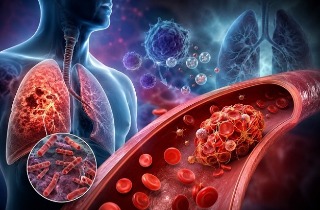
Medical News: Influenza continues to be one of the world's most persistent infectious diseases, causing millions of severe illnesses and hundreds of thousands of deaths every year. While vaccines and antiviral drugs remain important tools, their effectiveness can vary due to the rapid mutation of influenza viruses. Now, researchers in China have uncovered promising evidence that a naturally occurring probiotic bacterium delivered through the nose may offer powerful protection against some of the most dangerous flu strains.
 Scientists found that a probiotic delivered through the nose provided remarkable protection against H1N1 and
H3N2 influenza viruses while strengthening the lungs' natural defenses
The study, led by scientists from the College of Veterinary Medicine at Northwest A&F University, the Research Unit of Key Technologies for Prevention and Control of Virus Zoonoses at the Changchun Veterinary Research Institute of the Chinese Academy of Agricultural Sciences, the College of Animal Husbandry and Veterinary Medicine at Jinzhou Medical University, and the Wenzhou Key Laboratory for Virology and Immunology at Wenzhou University, investigated the protective effects of a probiotic strain known as Lactiplantibacillus plantarum 18, or LP18.
Complete Protection Against Two Major Flu Strains
Researchers tested LP18 in mouse models infected with two important influenza A virus subtypes: H3N2 and H1N1. The results were striking.
Mice that received LP18 through the nose before exposure to the viruses experienced complete protection in several experiments. In H3N2 infections, survival rates reached 100 percent in treated animals, compared to much lower survival rates among untreated controls. Similar protection was observed against H1N1 infections, where all LP18-treated mice survived while untreated mice succumbed to the disease.
Beyond survival, the treated animals maintained healthier body weights, continued eating more normally, and showed significantly less severe disease symptoms than control animals.
Viral Levels Reduced Up to 100-Fold
One of the most impressive findings was LP18's ability to dramatically suppress viral replication.
Analysis of lung tissue revealed that mice treated with LP18 had viral levels up to 100 times lower than untreated animals. This substantial reduction suggests that the probiotic does more than simply stimulate the immune system; it appears to directly interfere with the virus's ability to establish infection and multiply within the respiratory tract.
Laboratory experiments using cultured cells further supported this conclusion, showing that LP18 significantly reduced H1N1 viral replication inside infected cells.
Strengthening the Lung's Natural Defense Barrier
A major focus of the study was understanding how LP18 provides such strong protection.
The researchers discovered that the probiotic boosted the production of several critical proteins that help maintain the integrity of the respiratory mucosal barrier. Th
ese proteins, known as Claudin-18, ZO-1, and Occludin, function like microscopic seals between cells lining the lungs.
Influenza viruses are known to weaken these protective junctions, making it easier for infection to spread and for lung damage to occur. LP18 appeared to reverse this process by increasing the expression of these barrier-forming proteins.
Particularly noteworthy was the increase in Claudin-18, a protein considered essential for maintaining healthy lung tissue. Animals receiving LP18 showed significantly higher levels of this protein, suggesting that the probiotic helps fortify the lungs against viral invasion.
This
Medical News report highlights a growing scientific interest in therapies that enhance the body's own physical barriers against infection rather than relying solely on traditional antiviral approaches.
Reducing Harmful Inflammation
Influenza often causes severe illness not only because of the virus itself but also because of excessive inflammation triggered by the body's immune response.
The researchers found that LP18 significantly lowered levels of two major inflammatory molecules, IL-6 and IL-1β, in infected lungs. Elevated levels of these molecules are frequently associated with lung damage and worsening respiratory symptoms during severe influenza infections.
Interestingly, LP18 selectively reduced harmful inflammatory signals without broadly suppressing immune activity, suggesting a more balanced and targeted immune-regulating effect.
Strong Safety Profile Raises Hope
Any treatment delivered directly into the nose must undergo careful safety evaluation, particularly because of concerns about possible migration into the brain through the olfactory system.
Fortunately, the researchers found no evidence that LP18 entered brain tissue. Detailed examinations showed no signs of neurological damage, and the bacterium could not be detected in the olfactory bulb.
Additional safety testing revealed no significant lung toxicity, no dangerous inflammatory reactions, and no signs of oxidative damage. The probiotic was gradually cleared from the lungs within about five days, reducing concerns about long-term colonization or disruption of normal respiratory microbial balance.
Conclusion
The findings suggest that Lactiplantibacillus plantarum 18 could represent an entirely new approach to influenza prevention. Rather than targeting the virus alone, LP18 appears to work through several complementary mechanisms, including strengthening the lung's protective barrier, reducing excessive inflammation, and directly limiting viral replication. The fact that it demonstrated complete protection against both H3N2 and H1N1 influenza strains in animal models is particularly encouraging. Equally important, the probiotic displayed an excellent safety profile, with no evidence of brain invasion, significant toxicity, or harmful long-term colonization. Although human clinical trials will still be necessary before any practical application becomes possible, the study provides compelling evidence that probiotic-based nasal therapies may one day become an important addition to the fight against seasonal and emerging influenza viruses.
The study findings were published in the peer reviewed journal: Veterinary Microbiology.
https://www.sciencedirect.com/science/article/pii/S037811352600249X
For the latest on Influenza viruses, keep on logging to Thailand
Medical News.
Read Also:
https://www.thailandmedical.news/articles/influenza-or-flu
https://www.thailandmedical.news/articles/h5n1-avian-flu




 Share
Share
 Tweet
Tweet
 Share
Share