Italian Study Finds That Melatonin Can Aid in Treatments for Deadly Brain Cancer
Nikhil Prasad Fact checked by:Thailand Medical News Team Feb 22, 2026 6 months, 1 week, 1 day, 10 hours, 13 minutes ago
Medical News: Scientists Discover New Hope Against Glioblastoma
Glioblastoma is one of the most aggressive and deadly brain cancers known today. Even with surgery, radiation, and chemotherapy, patients often face poor survival outcomes, and the disease frequently returns. Because of this, scientists are urgently searching for new approaches that can improve treatment success and quality of life. One surprising area of research now attracting attention involves melatonin, a natural hormone mostly known for regulating sleep but increasingly linked to cancer biology. This
Medical News report looks at how researchers believe melatonin could one day become an important supportive tool in the fight against glioblastoma.
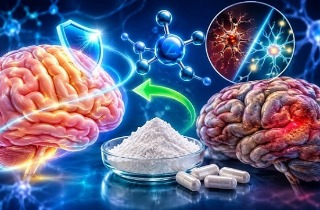
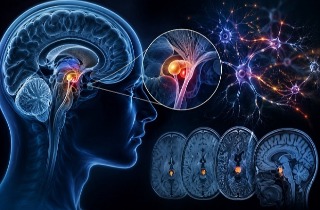
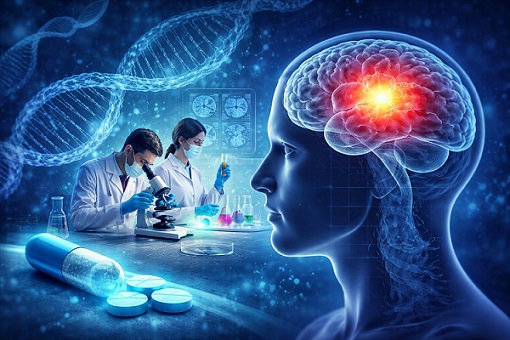 Researchers investigate how melatonin may help weaken glioblastoma and improve treatment outcomes
Researchers and Institutions Behind the Findings
Researchers investigate how melatonin may help weaken glioblastoma and improve treatment outcomes
Researchers and Institutions Behind the Findings
The research review was carried out by scientists from several Italian institutions, including the University of Brescia, the Interdepartmental University Center for Research on Tissue and Organ Adaptation and Regeneration, the Italian Society for the Study of Orofacial Pain, and the Catholic University of the Sacred Heart in Rome. Their goal was to analyze existing laboratory, animal, and early clinical research to understand how melatonin might influence glioblastoma growth and treatment response.
Why Glioblastoma Remains So Difficult to Treat
Glioblastoma grows rapidly and spreads into surrounding brain tissue, which makes complete removal extremely difficult. Even after aggressive treatment, small numbers of cancer cells often survive and later cause recurrence. Scientists say the tumor’s ability to adapt, resist drugs, and create a protective environment around itself is one of the main reasons treatment outcomes remain poor despite decades of research.
Because standard therapies have limitations, researchers are exploring supportive approaches that may strengthen existing treatments rather than replace them.
Melatonin More Than a Sleep Hormone
Melatonin is naturally produced by the body, mainly at night, to regulate the sleep-wake cycle. However, scientists have discovered that it also acts as a powerful antioxidant and may help reduce inflammation. Laboratory studies suggest melatonin can influence several processes that cancer cells depend on, including energy production, cell survival, and growth signals.
Researchers observed that melatonin may slow tumor cell growth, reduce the ability of cancer cells to spread, and trigger programmed cell death. It may also alter the chemical environment surrounding tumors, creating conditions that make survival harder for cancer cells.
Key Study Findings and Mechanisms
One of the most important discoveries is that melatonin appears to affect tumor metabolism. Cancer cells rely on high energy production to multiply quickly, and melatonin may interfere with this process, reducing their ability to grow.
gt;
Scientists also found evidence that melatonin can increase oxidative stress inside tumor cells, pushing them toward self-destruction while protecting normal cells.
Animal studies have shown additional encouraging signs, including reduced tumor progression and changes in biological pathways related to circadian rhythm and blood vessel formation. Researchers believe this connection between the body’s internal clock and tumor growth may open new directions for future therapy.
Melatonin Combined with Standard Treatments
Another major finding is that melatonin may enhance the effects of conventional cancer treatments. In experimental studies, combining melatonin with chemotherapy or targeted drugs often produced stronger anti-tumor effects than treatment alone. Researchers observed increased cancer cell death, reduced migration, and lower resistance to therapy when melatonin was added.
Scientists emphasize that these results suggest melatonin could serve as an adjuvant therapy, meaning it may support existing treatments rather than act as a standalone cure.
Human Studies Still Limited
Despite promising laboratory and animal results, human evidence remains limited. Only a few clinical studies have been conducted, and many involved small patient groups or older treatment designs. Researchers say larger, carefully controlled clinical trials are necessary to determine the safest and most effective dosing strategies and to confirm whether the benefits seen in experiments can translate into real patient outcomes.
Conclusion
Melatonin is emerging as a promising but still experimental option in glioblastoma research. Studies suggest it may slow tumor growth, disrupt cancer metabolism, and improve the effectiveness of existing therapies while potentially supporting patient well-being. However, scientists stress that current evidence is not strong enough to confirm clinical effectiveness, and more large-scale human trials are urgently needed. If future research validates these findings, melatonin could become an important supportive component in the treatment of one of the most challenging and deadly brain cancers.
The study findings were published in the peer reviewed journal: Cancers.
https://www.mdpi.com/2072-6694/18/4/703
For the latest Medical News, keep on logging to Thailand
Medical News.
Read Also:
https://www.thailandmedical.news/articles/cancer




 Share
Share
 Tweet
Tweet
 Share
Share