Sigma Receptors Emerge as Promising Targets for Safer Neuropathic Pain Treatment
Nikhil Prasad Fact checked by:Thailand Medical News Team Mar 31, 2026 5 months, 2 days, 7 hours, 51 minutes ago
Medical News:
A New Direction in Understanding Chronic Nerve Pain
Neuropathic pain, often felt as burning, tingling, or sharp electric sensations, affects a significant portion of the global population and remains one of the most difficult conditions to manage. Unlike pain caused by injury or inflammation, this type originates from damage or dysfunction within the nervous system itself. Many patients struggle to find relief, as existing treatments frequently offer limited benefits or cause unwanted side effects.
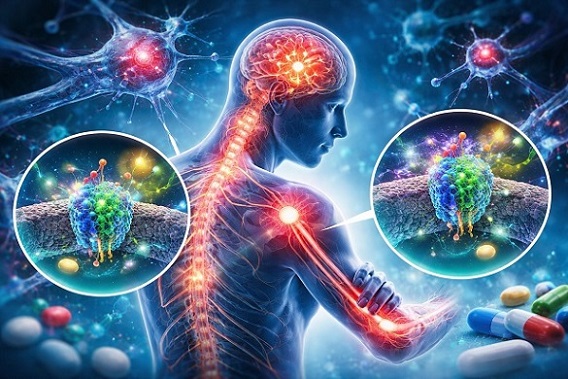 Scientists identify sigma receptors as key drivers of chronic nerve pain and promising targets for safer future therapies
Recent scientific advances are now pointing toward a new class of targets inside nerve cells known as sigma receptors. These receptors are reshaping how researchers understand chronic pain and may pave the way for safer and more effective therapies.
Understanding Sigma Receptors in Simple Terms
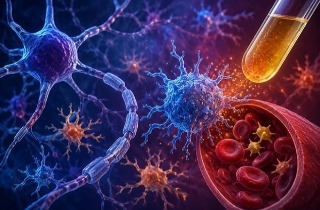
Sigma receptors, particularly sigma-1 and sigma-2 types, are proteins located within cells rather than on their outer surface. Instead of directly blocking pain signals, they regulate how cells respond to stress, inflammation, and injury. The sigma-1 receptor acts like a control hub, influencing communication between different parts of the cell and regulating calcium balance. When overactive, it can amplify pain signals, making nerves more sensitive and increasing inflammation. In contrast, the sigma-2 receptor helps maintain cellular health by controlling protein balance and stress responses. By stabilizing these internal processes, it may protect nerve cells and reduce the long-term progression of pain.
How These Receptors Drive Persistent Pain
One of the key discoveries is how sigma receptors contribute to what scientists call sensitization. This is when the nervous system becomes overly reactive, causing even mild stimuli to feel painful.
Sigma-1 receptors enhance the activity of important pain pathways in the spinal cord and brain. They also interfere with the body’s natural pain-relieving systems, including opioid signaling, making standard treatments less effective.
Meanwhile, sigma-2 receptors influence how cells handle stress and damage. By restoring balance inside nerve cells, they may reduce inflammation and protect against further injury, offering a more long-term solution to chronic pain.
Breakthroughs in Drug Development
A major highlight in this
Medical News report is the rapid progress in developing drugs that specifically target sigma receptors.
One of the most advanced compounds, E-52862, works by blocking sigma-1 receptors. Early studies show that it can reduce nerve hypersensitivity and inflammation without the addictive risks linked to opioid medications. In addition, newer experimental drugs are being designed to act on multiple pathways at once. Some combine sigma receptor targeting with mild opioid activity, aiming to delive
r strong pain relief while minimizing side effects and dependency risks.
A Safer Alternative to Traditional Painkillers
Current treatments for neuropathic pain often rely on medications that can cause sedation, dizziness, or even addiction. Sigma receptor-targeting therapies offer a different approach.
These treatments do not typically suppress breathing or cause dependence, making them safer for long-term use. Interestingly, blocking sigma-1 receptors may also enhance the effectiveness of opioids, allowing for lower doses and reducing potential harm.
What Lies Ahead for Patients
The growing understanding of sigma receptors represents a shift from simply managing symptoms to addressing the underlying causes of chronic pain. By targeting the internal stress systems of nerve cells, researchers aim to stop pain at its source rather than just masking it.
The research team from the Department of Drug and Health Sciences at the University of Catania in Italy highlights that these receptors function as key regulators of cellular stress and inflammation. Their findings suggest that future treatments could not only relieve pain but also prevent it from becoming chronic.
Conclusion
The discovery of sigma receptors as central players in neuropathic pain marks an important breakthrough in medical science. These targets offer a new pathway for developing treatments that are both effective and safer than current options. By focusing on the biological processes that drive nerve hypersensitivity and inflammation, these therapies go beyond symptom control and aim to change the course of the disease itself. While more clinical trials are needed, the progress so far is highly encouraging and suggests that a new generation of non-opioid pain treatments could soon become available.
The study findings were published in the peer reviewed journal: Brain Sciences.
https://www.mdpi.com/2076-3425/16/4/371
For the latest on treating neuropathic pain, keep on logging to Thailand
Medical News.
Read Also:
https://www.thailandmedical.news/articles/news




 Share
Share
 Tweet
Tweet
 Share
Share