Nikhil Prasad Fact checked by:Thailand Medical News Team Feb 07, 2026 6 months, 3 weeks, 2 days, 13 hours, 51 minutes ago
Medical News: Bladder cancer remains one of the most difficult cancers to treat once it becomes resistant to standard chemotherapy drugs such as cisplatin and gemcitabine. New laboratory research is now offering fresh hope by showing that certain natural plant derived compounds may slow down the spread of these aggressive cancer cells.
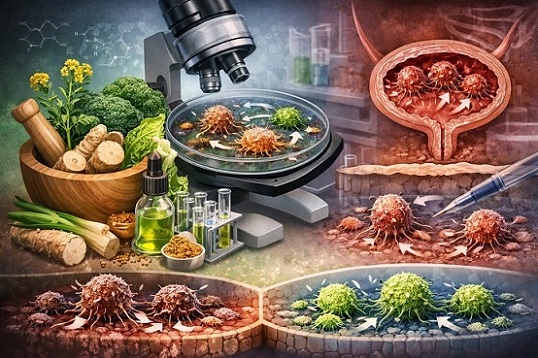 Natural plant compounds show promise in slowing the spread of chemotherapy resistant bladder cancer cells
Growing Challenge of Drug Resistant Bladder Cancer
Natural plant compounds show promise in slowing the spread of chemotherapy resistant bladder cancer cells
Growing Challenge of Drug Resistant Bladder Cancer
Bladder cancer affects hundreds of thousands of people worldwide each year. While many patients initially respond to chemotherapy, resistance often develops, allowing cancer cells to spread more easily to other parts of the body. This invasive behavior is a major reason why survival rates drop sharply in advanced cases.
Focus On Natural Isothiocyanates
In this
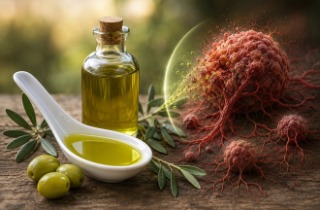
Medical News report, researchers investigated three naturally occurring compounds known as isothiocyanates, namely allyl isothiocyanate, butyl isothiocyanate, and phenylethyl isothiocyanate. These substances are found in common vegetables such as horseradish, mustard, and members of the cabbage family. The study examined how these compounds affect bladder cancer cells that are already resistant to chemotherapy.
How The Study Was Conducted
Scientists tested the compounds on several bladder cancer cell lines representing different cancer grades. These included both chemotherapy sensitive cells and cells resistant to cisplatin or gemcitabine. The research focused on whether the compounds could reduce cancer cell adhesion, movement, and invasion, all of which are critical steps in cancer spread.
The study was carried out by researchers from the Department of Urology and Pediatric Urology at University Medical Center Mainz, the Department of Urology and the Institute of Medical Virology at Goethe University Frankfurt, and the Department of Urology at University Hospital Tübingen, all located in Germany.
Key Findings Explained Simply
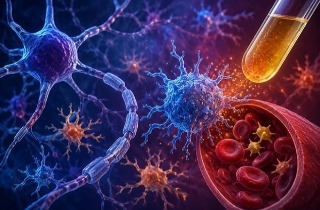
The results showed that all three natural compounds significantly reduced the ability of drug resistant bladder cancer cells to attach to proteins such as collagen and fibronectin. These proteins normally help cancer cells anchor themselves and invade surrounding tissues. The compounds also reduced chemotaxis, which is the ability of cancer cells to move toward signals that encourage spreading.
Importantly, the study found changes in key cell surface proteins called integrins and CD44, which are known to play major roles in cancer invasion. The natural compounds disrupted these proteins and weakened signaling pathways linked to movement and survival. At the same time, levels of E cadherin, a protein that helps keep cells tightly bound and less invasive, were increased in some cancer cells.
Why These Results Matter
By targeting the mechanisms that allow cancer cells to spread, these n
atural compounds could complement existing treatments. Instead of directly killing cancer cells, they appear to slow down migration and invasion, which is especially important once drug resistance has developed.
Conclusion
The findings suggest that natural isothiocyanates may have strong potential as supportive agents in treating drug resistant bladder cancer. By reducing cell adhesion, movement, and invasive signaling, these compounds could help limit cancer progression when standard chemotherapy becomes less effective. Although these results are based on laboratory studies, they provide a strong foundation for future clinical research aimed at improving outcomes for patients facing advanced bladder cancer.
The study findings were published in the peer reviewed journal: Molecules.
https://www.mdpi.com/1420-3049/31/3/555
For the latest on bladder cancer, keep on logging to Thailand
Medical News.
Read Also:
https://www.thailandmedical.news/articles/cancer
https://www.thailandmedical.news/articles/herbs-and-phytochemicals




 Share
Share
 Tweet
Tweet
 Share
Share