Nikhil Prasad Fact checked by:Thailand Medical News Team Mar 19, 2026 4 months, 2 weeks, 6 days, 15 hours, 18 minutes ago
Medical News: A new large-scale analysis has found that a widely available medication can significantly reduce blood loss in elderly patients undergoing hip fracture surgery, offering hope for safer recovery and fewer complications.
 A Serious Problem in Elderly Patients
Hip fractures are among the most dangerous injuries in older adults. These fractures, especially those occurring outside the hip joint capsule, often lead to heavy blood loss even before surgery begins. When surgery is performed, the bleeding can increase further, putting patients at serious risk.
Many elderly patients already have low blood levels when admitted. Losing more blood can worsen weakness, delay healing, and increase the risk of infections, disability, or even death. Blood transfusions are commonly used to manage this, but they carry risks such as infections and longer hospital stays.
Researchers Examine a Potential Solution
A team of researchers from the Faculty of Medicine, University of Belgrade, Serbia, the Faculty of Medical Sciences, University of Kragujevac, Serbia, the University Clinical Center Kragujevac, Serbia, and the Department of Epidemiology, University of Kragujevac, Serbia, investigated whether tranexamic acid could reduce these risks.
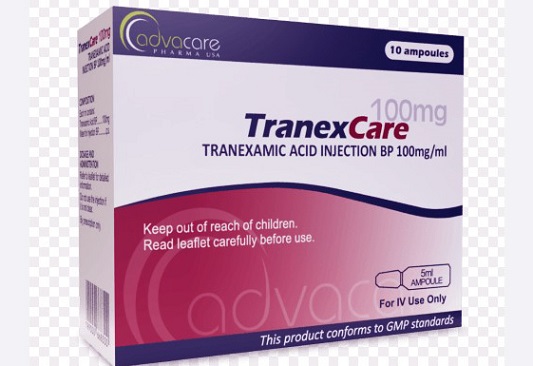
Tranexamic acid is a medication that helps the body prevent excessive bleeding by stabilizing blood clots. The researchers reviewed 25 randomized clinical trials involving 2,357 patients to better understand its effectiveness.
Significant Reduction in Blood Loss
The analysis showed that patients who received tranexamic acid experienced a clear reduction in blood loss. On average, total blood loss was reduced by about 255 milliliters. Hidden blood loss—bleeding that occurs internally and is not immediately visible—was also reduced by more than 200 milliliters.
Patients receiving the drug also had smaller drops in hemoglobin and hematocrit levels. These measurements are important indicators of how much blood a person has lost and how well their body is functioning after surgery.
Lower Need for Blood Transfusions
One of the most important findings was the reduced need for blood transfusions. Patients treated with tranexamic acid were about 45 percent less likely to require a transfusion compared to those who did not receive the drug.
In addition, those who still needed transfusions required fewer units of blood. This is important because transfusions, while sometimes necessary, can increase the risk of complications such as infections and fluid overload.
This
Medical News report emphasizes that reducing transfusion rates can improve recovery and reduce the burden on healthcare systems.
Consistent Benefits Across Studies
The benefits of tranexamic acid were consistent across multiple studies conducted in different countries. Even when researchers tested different conditions and removed certain data, the overall positive effect remained stable.
Impo
rtantly, the studies did not show a clear increase in serious side effects such as blood clots. However, researchers noted that more large-scale studies are needed to confirm long-term safety and determine the best dosing and timing for the drug.
Conclusion
The findings provide strong evidence that tranexamic acid can significantly improve surgical outcomes in elderly patients with hip fractures. By reducing both visible and hidden blood loss, stabilizing blood levels, and lowering the need for transfusions, the drug addresses several major risks associated with these surgeries. While further research is needed to refine treatment protocols and confirm safety in broader patient populations, the current evidence supports its growing role as a valuable tool in modern orthopedic care.
The study findings were published in the peer reviewed journal: Pharmaceutics
https://www.mdpi.com/1999-4923/18/3/374
For the latest on Tranexamic Acid, keep on logging to Thailand
Medical News
Read Also:
https://www.thailandmedical.news/articles/med-news
Medical Disclaimer: All content published by Thailand Medical News is based on scientific research and is intended for informational and educational purposes only. It is not medical advice, diagnosis, or treatment. Readers must not attempt to use, apply, or experiment with any protocols, compounds, or therapies mentioned without first consulting a qualified and licensed medical doctor. Many findings discussed are experimental or preliminary, and only a licensed healthcare professional can determine what is safe and appropriate for an individual’s specific medical condition.




 Share
Share
 Tweet
Tweet
 Share
Share