SSRIs Such as Escitalopram, Fluvoxamine, Fluoxetine, Paroxetine, Sertraline, and Citalopram Linked to Hidden Liver Risks
Nikhil Prasad Fact checked by:Thailand Medical News Team Jul 07, 2026 1 month, 3 weeks, 5 days, 21 hours, 49 minutes ago
Medical News: Large safety analysis uncovers important differences between widely prescribed SSRIs
Millions of people around the world rely on selective serotonin reuptake inhibitors (SSRIs) to treat depression and anxiety, but new research suggests these commonly prescribed medications may carry different levels and patterns of liver injury risk. Researchers from the Shenzhen Institute of Pharmacovigilance and Risk Management, Shenzhen, China, and the College of Pharmacy, Jinan University, Guangzhou, China, examined over a decade of adverse event reports to better understand how six widely used SSRIs affect the liver.
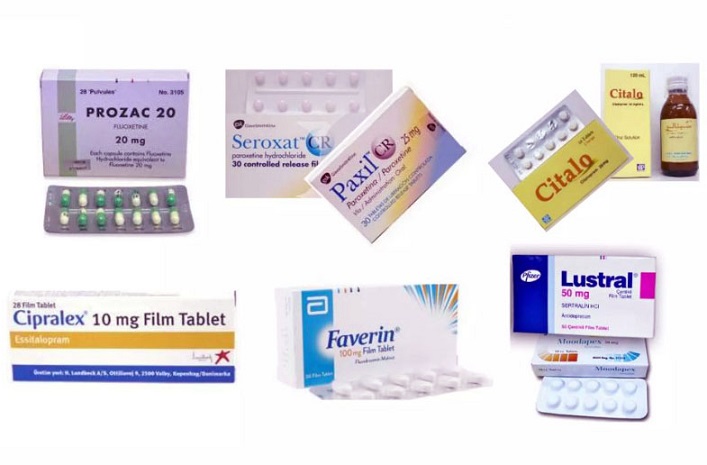 A major study finds that commonly prescribed SSRIs may carry different risks of liver injury, with most serious cases emerging during the first month of treatment
Thousands of reports reveal distinct liver injury patterns
A major study finds that commonly prescribed SSRIs may carry different risks of liver injury, with most serious cases emerging during the first month of treatment
Thousands of reports reveal distinct liver injury patterns
The researchers analyzed reports submitted to the U.S. Food and Drug Administration Adverse Event Reporting System (FAERS) between 2013 and 2023. Their investigation focused on escitalopram, fluvoxamine, fluoxetine, paroxetine, sertraline, and citalopram, searching for cases involving serious drug-induced liver injury.
Sertraline generated the largest number of liver injury reports, while fluvoxamine had the fewest. Women accounted for more reported cases than men for nearly every drug, and adults between 18 and 64 years of age represented the largest affected group. Hospitalization was a common outcome, highlighting that although liver complications remain uncommon overall, they can become severe in some patients.
Liver damage often appeared surprisingly early
One of the most important discoveries was how quickly liver problems developed after treatment began. Most serious liver injuries occurred within the first month of starting an SSRI.
The researchers found that younger adults aged 18 to 44 experienced the shortest time before symptoms appeared. Patients who eventually died from liver complications generally developed liver injury later than those who recovered, suggesting that delayed recognition or progressive damage may contribute to worse outcomes.
This
Medical News report highlights the importance of paying attention to early warning signs such as yellowing of the skin or eyes, dark urine, unusual fatigue, nausea, abdominal pain, or unexplained itching, particularly during the first weeks of treatment.
Each antidepressant showed its own unique warning signals
Although all six SSRIs shared evidence of liver cell injury, each drug displayed its own distinctive pattern.
Fluoxetine showed stronger links to fatty liver changes. Paroxetine demonstrated an unusually strong association with chronic active hepatitis. Sertraline stood out with signals linked to severe liver conditions, including primary biliary cholangitis and hemorrhagic liver cysts, while citalopram showed a notable association with mixed forms of liver injury. Escitalopram demonstrated particul
arly strong signals for cholestatic hepatitis, a condition in which bile flow from the liver becomes impaired.
These findings suggest doctors should not assume all SSRIs carry identical liver safety profiles and may need to individualize monitoring based on the specific medication prescribed.
Researchers also uncovered possible biological explanations
Beyond analyzing safety reports, the investigators explored the biological pathways that could explain why these drugs damage the liver.
Their network analysis identified several shared mechanisms, including disruption of cytochrome P450 enzymes responsible for drug metabolism, abnormal regulation of programmed cell death, oxidative stress, and inflammatory responses. Individual drugs also activated unique pathways. Sertraline appeared to affect the PI3K-Akt signaling pathway, while fluoxetine and fluvoxamine were linked to IL-17 inflammatory signaling. Escitalopram and citalopram were associated with estrogen-related signaling and increased responses to reactive oxygen species, further illustrating that each medication may injure the liver through different biological processes.
Findings could improve patient safety
The researchers emphasize that these results do not mean patients should stop taking their antidepressants. Instead, the study supports closer liver monitoring during the first month of treatment, particularly in women and patients with existing liver disease or other risk factors. The work also highlights the potential value of selecting different SSRIs for patients based on their individual health profile rather than treating all medications in the class as equally safe.
Conclusion
The study demonstrates that while serious liver injury from SSRIs remains relatively uncommon, meaningful differences exist between individual drugs regarding both the type and timing of liver damage. These findings strengthen the case for personalized antidepressant prescribing, earlier monitoring of liver function, and additional prospective clinical studies to confirm which patients face the greatest risk and how these complications can be prevented.
The study findings were published in the peer reviewed journal: Frontiers in Pharmacology.
https://www.frontiersin.org/journals/pharmacology/articles/10.3389/fphar.2026.1842778/full
For the latest on SSRIs, keep on logging to Thailand
Medical News.
Read also:
https://www.thailandmedical.news/articles/med-news




 Share
Share
 Tweet
Tweet
 Share
Share