Lymphocytes Identified as Key Drivers of Chronic Immune Dysfunction in Long COVID
Nikhil Prasad Fact checked by:Thailand Medical News Team Apr 13, 2026 3 months, 2 weeks, 4 days, 11 hours, 43 minutes ago
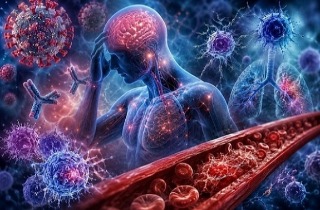
Medical News: A new study is providing deeper insight into why some individuals continue to suffer long after recovering from COVID-19, revealing that persistent immune dysfunction, driven largely by lymphocytes, may be at the heart of Long COVID. The findings suggest that the immune system does not fully reset after infection and instead remains in a prolonged state of imbalance that can last for years.
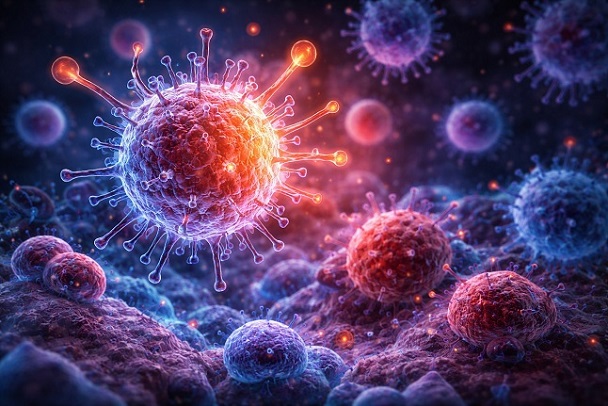 Persistent lymphocyte driven immune dysfunction may explain the long-lasting symptoms of Long COVID
Uncovering the Immune Roots of Long COVID
Persistent lymphocyte driven immune dysfunction may explain the long-lasting symptoms of Long COVID
Uncovering the Immune Roots of Long COVID
Long COVID has emerged as a major global health concern, affecting an estimated 10 to 20 percent of those who recover from the initial infection. Symptoms can range from fatigue and breathlessness to neurological issues and cardiovascular complications. Despite its widespread impact, the biological mechanisms behind the condition have remained unclear.
In this study, researchers analyzed blood samples from patients during acute COVID-19 infection, three months after recovery, and up to 1.5 to 2 years later. Using advanced single cell RNA sequencing, they were able to examine immune cells at a highly detailed level.
The research was conducted by scientists from the Latvian Biomedical Research and Study Centre, with clinical samples obtained from Riga East University Hospital in Latvia.
Lymphocytes Remain Abnormally Active
One of the most important discoveries was that lymphocytes, critical immune cells responsible for fighting infections, remained persistently altered long after the virus had cleared. Instead of returning to a normal resting state, these cells continued to show signs of activation.
At the same time, they also displayed markers of exhaustion, a condition in which immune cells become less effective due to prolonged stimulation. This combination of overactivity and fatigue creates a dysfunctional immune response that may contribute to ongoing symptoms.
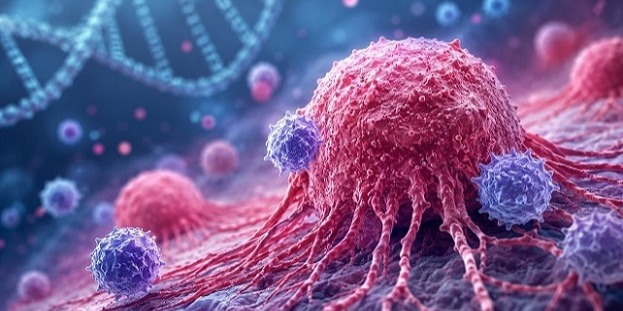
Researchers observed that both T cells and natural killer cells maintained elevated levels of cytotoxic activity, meaning they retained the ability to damage infected or even healthy tissues. This suggests that the immune system may continue to cause harm even after the initial infection has resolved.
Chronic Inflammation and Disrupted Immune Balance
The study also found evidence of persistent inflammation, even up to two years after infection. Inflammatory signals remained elevated across several immune cell types, indicating that the body was still in a state of immune alert.
Importantly, early immune responses during the acute phase appeared to influence long term outcomes. Patients who later developed Long COVID showed weaker antiviral responses but stronger inflammatory activity at the beginning of the infection. This imbalance may set the stage for chronic immune dysfunction.
This
Medical News report underscores that communication between i
mmune cells was also altered. While immune signaling was heightened during the acute phase, it became less coordinated over time, which may contribute to a loss of immune regulation.
Long Term Changes in Immune Cell Populations
Beyond functional changes, the study identified shifts in the composition of immune cells. Patients with Long COVID had reduced levels of certain protective cells, such as plasma B cells, while inflammatory cell types, including specific monocytes, became more prominent.
Additionally, genes associated with inflammation and immune activation remained active long after recovery. In contrast, genes linked to antiviral defense were suppressed during the early stages of infection, further highlighting the imbalance in immune responses.
These findings suggest that the immune system may fail to fully clear viral remnants or properly shut down its response, leading to prolonged dysfunction.
Implications for Treatment and Future Research
The study’s findings have important implications for how Long COVID is understood and treated. Rather than being a simple aftermath of viral damage, the condition appears to involve an ongoing disruption of the immune system.
Targeting this immune imbalance could be key to developing effective therapies. Treatments that reduce chronic inflammation or restore proper immune function may help alleviate symptoms and improve recovery outcomes.
Conclusion
The study provides strong evidence that lymphocytes play a central role in driving chronic immune dysfunction in Long COVID. Persistent activation, combined with signs of immune exhaustion and ongoing inflammation, indicates that the immune system remains in a disturbed state long after the initial infection. These findings highlight the need for targeted strategies that restore immune balance rather than only managing symptoms. Future research must focus on identifying whether lingering viral components, autoimmune responses, or other triggers are responsible for sustaining this dysfunction and how these processes can be safely reversed to improve patient outcomes.
The study findings were published in the peer reviewed journal: Journal of Translational Medicine.
https://link.springer.com/article/10.1186/s12967-026-08081-6
For the latest on Long COVID, keep on logging to Thailand
Medical News.
Read Also:
https://www.thailandmedical.news/articles/long-covid




 Share
Share
 Tweet
Tweet
 Share
Share