Nikhil Prasad Fact checked by:Thailand Medical News Team Mar 17, 2026 6 months, 2 weeks, 3 days, 18 hours, 51 minutes ago
Medical News: Why This Silent Condition Is More Dangerous Than Many Realize?
A growing body of research is revealing just how dangerous uncontrolled high blood pressure can be when it occurs alongside a brain bleed, medically known as intracerebral hemorrhage. This serious condition happens when blood leaks directly into brain tissue, often leading to long-term disability or death. Experts are now warning that when blood pressure becomes extremely difficult to control, the risks increase significantly.
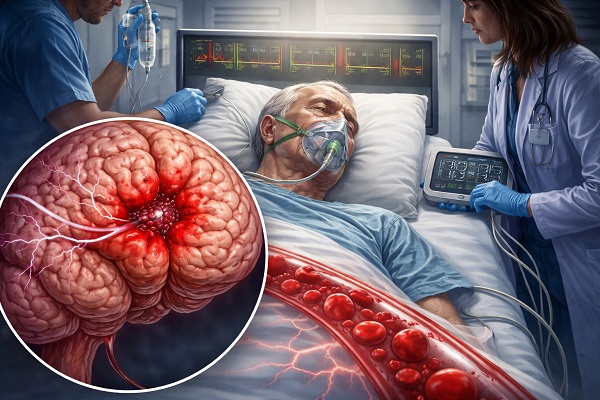 Dangerous spikes in blood pressure can worsen brain bleeds and recovery outcomes
The study was conducted by researchers from the Department of Neurology and the Department of Cardiology at the University of California Irvine in Orange, California, USA. This
Medical News report highlights the urgent need to better understand and manage this complex condition.
What Happens During a Brain Bleed?
Each year, a large number of stroke cases involve bleeding in the brain, and one of the main causes is uncontrolled hypertension. However, in many patients, blood pressure remains high even after taking several medications. This condition is known as resistant hypertension and is becoming increasingly common in patients with brain bleeds.
Patients with resistant hypertension often experience worse outcomes. They typically require longer stays in intensive care, more aggressive treatments, and face a higher chance of another stroke within a short period. In addition, this condition can damage other vital organs such as the heart and kidneys, making recovery even more difficult.
The Hidden Biological Damage
Scientists explain that resistant hypertension is not caused by a single issue but rather a complex mix of processes inside the body. Hormonal systems that regulate blood pressure become overactive, blood vessels lose their flexibility, and inflammation increases throughout the body.
New findings also show that brain inflammation, a special type of cell damage linked to iron buildup, and even imbalances in gut bacteria may all play a role in worsening the condition. These discoveries are helping researchers better understand why some patients respond poorly to treatment.
Why Early Blood Pressure Control Is Critical
One of the most important findings from the study is the need for early and controlled blood pressure reduction. Doctors now recommend lowering blood pressure to safer levels between 130 and 150 mmHg soon after a brain bleed occurs. However, the key is to reduce it gradually and steadily. Sudden drops in blood pressure can reduce blood flow to the brain and potentially worsen outcomes. Smooth and sustained control has been shown to improve recovery in many patients.
Better Treatment Strategies Emerging
The study also highlights improved approaches to treatment. Common medications include calcium channel blockers and drugs that target hormonal systems responsible for blood pressure control. A
drug called spironolactone has shown strong results as an additional therapy in patients whose blood pressure remains difficult to manage.
At the same time, some medications may not be suitable in the early stages. Certain diuretics can worsen brain swelling and cause dangerous imbalances in sodium levels, making them less ideal during the initial phase of treatment.
New Therapies Offer Future Hope
Researchers are now exploring advanced treatment options that go beyond traditional medications. These include gene-based therapies that reduce harmful signals in the body, drugs that target inflammation, and treatments that modify gut bacteria to improve overall health.
While many of these approaches are still in development, they offer promising new directions for treating resistant hypertension in brain bleed patients.
Conclusion
The findings clearly show that resistant hypertension in patients with brain bleeds is a serious and complex condition that requires urgent attention. Early and carefully controlled blood pressure management, combined with the right combination of medications, can significantly improve survival and recovery. At the same time, new research into inflammation, genetics, and gut health is paving the way for more effective treatments. Addressing this condition properly will be critical in reducing complications and improving long-term outcomes for patients worldwide.
The study findings were published in the peer reviewed International Journal of Molecular Sciences.
https://www.mdpi.com/1422-0067/27/6/2716
For the latest on high blood pressure and brain bleeds, keep on logging to
Thailand Medical News.




 Share
Share
 Tweet
Tweet
 Share
Share

































