While The World is Engrossed in Ebola, SARS-CoV-2 New Variants RF.5, RV.1, PQ.16.1.1, RE.1.1.5 and RV.1 Are Spreading Silently
Nikhil Prasad Fact checked by:Thailand Medical News Team May 30, 2026 3 months, 3 days, 8 hours, 22 minutes ago
Medical News: As global headlines once again focus on the Democratic Republic of Congo’s latest Ebola outbreak, infectious disease researchers are warning that a quieter but potentially more significant public health issue is unfolding in the background. While Ebola remains a serious and often deadly disease, experts note that this is the DRC’s 17th documented Ebola outbreak, and historically such outbreaks have largely remained regionally contained due to the virus requiring close contact for transmission. The WHO and African CDC along with some other parties with vested interest are trying to use the outbreak to gather more political influence and also raise more fundings.
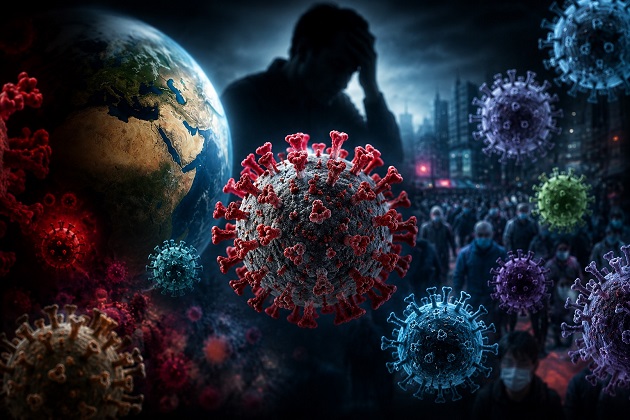 Emerging SARS-CoV-2 variants are spreading quietly as scientists investigate possible links to rising neurological
and gastrointestinal complications
Meanwhile, genomic surveillance platforms are detecting the continued emergence of new SARS-CoV-2 lineages, including RF.5, RV.1, PQ.16.1.1, RE.1.1.5 and related descendants. Although many of these variants remain poorly characterized as many researchers, variant hunters and virologist are no longer getting funded, early sequencing data suggest they are spreading across multiple regions while attracting little public attention amid reduced testing and declining surveillance efforts. Recent genomic monitoring databases continue to identify the circulation of variants RF.5, RV.1, PQ.16.1.1, RE.1.1.5 and RV.1 RE.1.1.5 and related lineages in several countries, highlighting the virus’s ongoing evolution.
At the moment, COVID-19 infections are rising slowly across the whole of South-East Asia, East Asia, parts of Australia (NSW), parts of New Zealand (Auckland), certain states in America, in the United Kingdom and elsewhere in Europe.
There is No Such Thing as Mild
Meanwhile, much of the world has been led to believe that SARS-CoV-2 is now merely an endemic virus and that society must simply learn to live with it.
Emerging evidence suggests that the virus has evolved sophisticated mechanisms to disrupt and suppress various immune responses, often blunting the body's early warning signals. As a result, many infected individuals experience few or no noticeable symptoms during the initial acute phase of infection.
Unfortunately, some medical professionals have interpreted the apparent reduction in acute symptoms as evidence that COVID-19 has become a mild disease. However, the absence of severe early symptoms does not necessarily mean the virus is harmless. Research continues to show that SARS-CoV-2 can cause a wide range of short-term, medium-term and long-term health complications. Even after the initial infection appears to have resolved, the virus can contribute to persistent damage affecting multiple organ systems, including the cardiovascular, neurological, gastrointestinal and immune systems.
Reduced Testing Creates a Dangerous Blind Spot
Many nations have drastically scaled back COVID-19 testing programs, resulting in fewer confirmed case reports despite ongoing viral transmission. Public health analysts warn that lower testing volumes can c
reate the illusion that infections are declining when, in reality, fewer infections are simply being detected.
This
Medical News report notes that a growing number of physicians and researchers are increasingly concerned that newer SARS-CoV-2 variants may be producing atypical clinical presentations. Instead of the classic prolonged respiratory symptoms seen during earlier pandemic waves, some patients report short-lived episodes of sneezing, coughing, sore throat, mild fever and sudden fatigue that disappear within hours or days.
Growing Concerns About Neurological and Gastrointestinal Effects
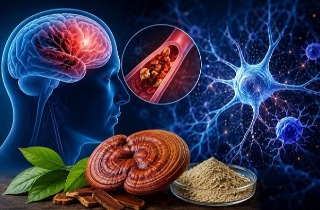
Researchers are paying closer attention to mounting evidence linking SARS-CoV-2 infections with neurological, vascular and gastrointestinal complications. Several studies published over the last few years have demonstrated that the virus can affect blood vessels, the nervous system and digestive tissues long after the initial infection has resolved.
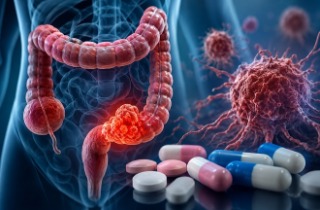
Clinicians in various countries are also reporting increases in unusual gastrointestinal complaints, unexplained abdominal pain, appetite loss and rare ischemic conditions affecting the digestive tract. Some scientists speculate that certain emerging variants may be adapting toward greater neurological and gastrointestinal tissue involvement, though definitive evidence remains under investigation.
Individuals experiencing sudden fatigue, unusual headaches during sleep or upon waking, unexplained digestive discomfort, appetite loss or brief flu-like episodes are being encouraged to seek medical evaluation and discuss appropriate testing options with healthcare providers.
Although many people have accepted COVID-19 as an endemic infection, the virus continues to evolve in ways that remain incompletely understood. The appearance of lineages such as RF.5, RV.1, PQ.16.1.1 and RE.1.1.5 underscores the need for stronger genomic surveillance, continued clinical research and greater awareness of the potentially complex long-term effects associated with SARS-CoV-2 infections, especially as new variants emerge beyond the spotlight of mainstream attention.
Scientists are still in the early stages of investigating the pathogenesis and biological behavior of these emerging SARS-CoV-2 variants, including RF.5, RV.1, PQ.16.1.1 and RE.1.1.5. Much remains unknown about their tissue tropism, immune-evasion capabilities, disease-causing mechanisms and potential long-term health impacts. As additional clinical, epidemiological and laboratory data become available, we will provide further updates along with relevant official resources and scientific references.
For the latest COVID-19 news, keep on logging to Thailand
Medical News.
Read Also:
https://www.thailandmedical.news/news/singapore-is-witnessing-a-rise-in-covid-19-infections-with-12700-cases-reported-between-the-10th-to-16th-of-may-2026
https://www.thailandmedical.news/news/thailand-medical-officials-release-data-about-covid-19-infections-but-stop-short-of-commenting-if-covid-19-cases-are-rising-again




 Share
Share
 Tweet
Tweet
 Share
Share