Nikhil Prasad Fact checked by:Thailand Medical News Team Jan 06, 2026 8 months, 4 weeks, 23 hours, 11 minutes ago
Medical News: A Hidden Aftershock of the Pandemic
As the world slowly moves on from the acute phase of COVID-19, scientists are uncovering troubling long term health effects that continue to affect millions. One of the most alarming findings is a growing link between long COVID and the development of diabetes in people who never had the condition before. This
Medical News report highlights new scientific insights that explain how the virus may quietly disrupt the body long after the initial infection fades.
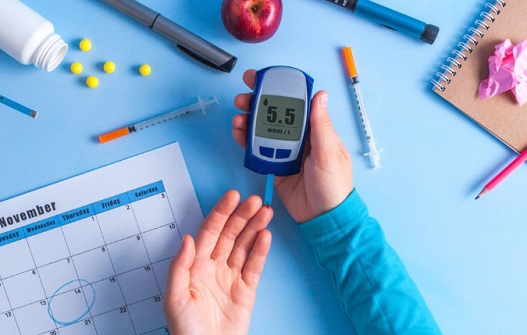 Scientists warn that lingering effects of COVID-19 may silently increase diabetes risk long after recovery
The researchers involved in this extensive review come from respected academic institutions across Europe and Africa. They include experts from the University of Campania Luigi Vanvitelli in Caserta Italy, Bahir Dar University in Ethiopia, Addis Ababa University in Ethiopia, and Link Campus University in Rome Italy. Their combined expertise spans molecular biology, endocrinology, biochemistry and clinical medicine.
Understanding Long COVID in Simple Terms
Long COVID refers to lingering symptoms that last for weeks or even months after recovering from the initial infection. These symptoms can affect many organs including the lungs, heart, brain, gut and hormone producing glands. According to the researchers the virus does not always leave the body completely. Small fragments of viral material can remain hidden in tissues such as the pancreas which plays a central role in controlling blood sugar.
How the Virus May Trigger Diabetes
The pancreas contains specialized cells that release insulin the hormone that controls blood sugar. The study explains that SARS-CoV-2 can enter these cells using specific gateways on their surface. Once inside the virus can cause direct injury, reduce insulin production and trigger inflammation. In some cases, the immune system becomes confused and starts attacking the body’s own insulin producing cells, increasing the risk of diabetes.
Another key finding is the disruption of a natural hormone control system that regulates blood pressure inflammation and metabolism. When this system is thrown off balance it can lead to insulin resistance meaning the body no longer responds properly to insulin even if it is present.
Effects Beyond the Pancreas
The damage is not limited to one organ. The virus may also affect fat tissue, muscles, blood vessels and even the gut microbiome. Changes in gut bacteria can worsen inflammation and interfere with how the body processes sugar and fats. Persistent inflammation across multiple organs creates the perfect environment for long-term metabolic problems.
Why This Matters for the Public
Large population studies reviewed by the researchers show that both adults and children who had COVID 19 face a higher risk of developing diabetes within months after infection. This risk exists even in people who had mild illness and even among those who were vaccinated.
gt;
Conclusion
The findings strongly suggest that COVID-19 is not just a short-term respiratory illness but a complex disease with lasting metabolic consequences. Persistent viral remnants chronic inflammation immune imbalance and organ wide stress may together push vulnerable individuals toward diabetes. Understanding these mechanisms is crucial for early screening long term monitoring and prevention strategies in the post pandemic world.
The study findings were published in the peer reviewed journal: Frontiers in Endocrinology
https://www.frontiersin.org/journals/endocrinology/articles/10.3389/fendo.2025.1737894/full
For the latest on Long COVID, keep on logging to Thailand
Medical News.
Read Also:
https://www.thailandmedical.news/articles/long-covid
https://www.thailandmedical.news/articles/coronavirus




 Share
Share
 Tweet
Tweet
 Share
Share

































