Nikhil Prasad Fact checked by:Thailand Medical News Team Dec 07, 2025 9 months, 4 weeks, 1 hour, 19 minutes ago
Medical News: Natural Compound from Fruits and Vegetables Blocks Cancer Growth in High-Risk Women
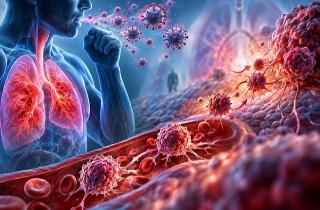
A new breakthrough study by researchers at the Division of Pharmaceutical Sciences and the Department of Biology at Florida A&M University in the United States has uncovered the powerful anti-cancer potential of a natural flavonoid compound called kaempferol against one of the most aggressive forms of breast cancer—triple-negative breast cancer or TNBC.
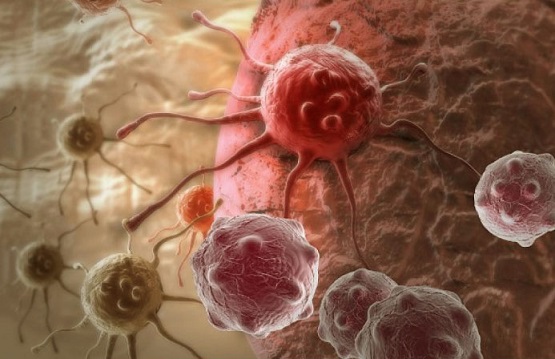 Kaempferol blocks breast cancer growth and immune evasion in lab study
TNBC is known for being more difficult to treat because it lacks the three common hormone receptors—estrogen, progesterone, and HER2—that most breast cancer treatments target. This subtype often affects younger women and is especially aggressive in African American patients. It also tends to resist existing immunotherapies, leading to poorer outcomes.
In this
Medical News report, scientists tested kaempferol, a compound found in foods like broccoli, tea, berries, and green peas, on two different TNBC cell lines—one from a Caucasian patient (MDA-MB-231) and another from an African American patient (MDA-MB-468). Their goal was to evaluate whether kaempferol could stop cancer cells from growing, encourage them to die, and make them more vulnerable to current treatments.
Kaempferol Halts Cancer Cell Growth and Triggers Cell Death
In both 2D and 3D lab cultures, kaempferol significantly reduced TNBC cell viability and growth. The effects were dose- and time-dependent, with the Caucasian-derived cell line showing slightly greater sensitivity in 2D environments. Importantly, kaempferol not only slowed proliferation but also triggered apoptosis (cell death) and arrested the cell cycle in the S phase, meaning it interfered with how cancer cells replicate.
Blocking Resistance Pathways and Immune Escape
The study also revealed that kaempferol suppressed the activity of CDKs (cyclin-dependent kinases)—especially CDK1, CDK6, and CDK7—which are proteins that drive cancer cell division and are often overactive in TNBC. Furthermore, kaempferol downregulated PD-L1, a protein that tumors use to hide from the immune system. This was achieved by disrupting key immune evasion pathways, particularly the JAK1/STAT3 signaling route and other resistance mechanisms involving NF-κB, MUC-1, and inflammatory proteins like CCL2 and TGM2.
In both tested TNBC models, kaempferol significantly reduced gene and protein expression of PD-L1, JAK1, STAT3, NF-κB1, and MUC-1. This suggests it could make tumors more visible to the immune system and improve the effectiveness of immunotherapy drugs like anti-PD-L1 antibodies.
Potential Role in Future Breast Cancer Therapies
Importantly, kaempferol also lowered the expression of CCL2 and TGM2—two molecules known to promote therapy resistance and metastasis. By blocking these targets, kaempferol could help reverse immune resistance and reduce the li
kelihood of cancer returning after treatment.
Although kaempferol’s poor water solubility and bioavailability limit its current clinical use, the researchers suggest that future formulations—like nano-encapsulation or combination with other treatments—could enhance its therapeutic value.
Conclusions
Kaempferol, a natural dietary compound, shows great promise as a multi-targeted therapy for triple-negative breast cancer. It stops cancer growth, triggers cell death, and blocks immune escape mechanisms by simultaneously targeting several key cancer pathways. These findings provide strong support for including kaempferol in future treatment combinations, especially for patients who are resistant to standard therapies. With further testing, kaempferol could become a low-cost, accessible way to improve survival in patients battling one of the deadliest forms of breast cancer.
The study findings were published in the peer reviewed journal: Cancers
https://www.mdpi.com/2072-6694/17/24/3911
For the latest on Breast Cancer, keep on logging to Thailand
Medical News.
Read Also:
https://www.thailandmedical.news/articles/cancer
https://www.thailandmedical.news/articles/herbs-and-phytochemicals




 Share
Share
 Tweet
Tweet
 Share
Share