Nikhil Prasad Fact checked by:Thailand Medical News Team May 13, 2026 3 months, 2 weeks, 6 days, 20 hours, 7 minutes ago
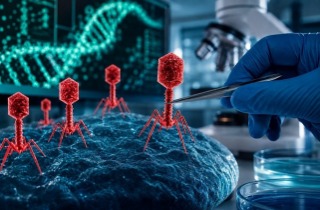
Medical News: Human cytomegalovirus, or HCMV, is a common virus that usually remains harmless in healthy people but can become life-threatening in newborn babies, transplant patients, cancer patients, and individuals with weakened immune systems. Now, scientists have discovered that an experimental compound which functions as a chloride channel inhibitor called DIDS (4,4′-diisothiocyano-2,2′-stilbenedisulfonic acid) may be able to block the virus in several important ways, raising hopes for a future new antiviral strategy.
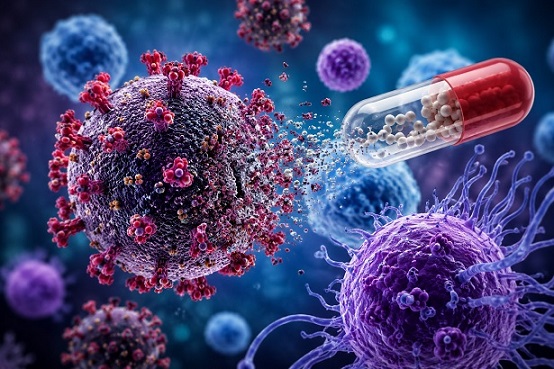 Scientists discover experimental compound DIDS can block and silence dangerous CMV infections in
multiple human immune cells
The research was carried out by scientists from the Institute of Infection, Immunity & Transplantation at University College London (UCL) in the United Kingdom, the Novo Nordisk Foundation Center for Protein Research and the Danish Cancer Institute in Denmark, and the Harald zur Hausen Institute of Virology at Friedrich-Alexander-Universität Erlangen-Nürnberg in Germany.
Blocking the Virus Before It Takes Control
Researchers found that DIDS could stop HCMV from infecting several kinds of human cells, including fibroblasts, epithelial cells, astrocyte-like brain cells, blood-forming stem cells, monocytes, and dendritic cells. These cell types are important because HCMV uses them to spread throughout the body and establish long-term latent infection.
The scientists discovered that DIDS works mainly by interfering with the virus very early during infection. In many cells, the compound prevented the virus from properly attaching to the cell surface and entering the cell. Viral DNA levels dropped sharply when DIDS was present, showing that the virus could no longer efficiently invade cells.
Interestingly, the compound was able to block both “cell-free” virus spread and the more difficult “cell-associated” spread, where infected cells directly pass the virus to neighboring cells. This is important because cell-associated spread is often harder for the immune system and antiviral drugs to stop.
A Surprising Effect in Immune Cells
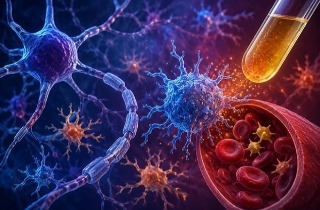
One of the most surprising discoveries involved monocytes and dendritic cells, which are immune cells strongly linked to HCMV latency and reactivation. Unlike in other cells, DIDS did not completely stop the virus from entering these immune cells. Viral DNA was still detected inside them. However, once inside, the virus became almost completely silent and inactive.
The viral genes needed for infection and reactivation failed to switch on properly. Even when researchers tried to reactivate the virus using inflammatory signals, the viral genomes remained inactive. This suggests that DIDS somehow traps the virus in a nonfunctional state after entry into these immune cells.
Researchers believe this finding is extremely important because monocytes are thought to help HCMV hide in the body for years before reactivating later in life. Preventing the virus from establishing a functional latent infection could potentially reduce future complications associated with HCMV.
DIDS Weakens Viral Fusion Activity
The team also discovered that DIDS partially blocked the activity of a key HCMV protein called glycoprotein B, or gB. This protein acts like a molecular tool that allows the virus to fuse with human cells and begin infection. Laboratory fusion experiments showed that DIDS reduced gB fusion activity by around 50 percent.
Importantly, the compound did not block the spike protein of SARS-CoV-2, the virus responsible for COVID-19. This suggests DIDS may target specific mechanisms used by HCMV rather than broadly interfering with all viral fusion proteins.
Reduced Immune Activation
This
Medical News report also highlights another unusual finding. Normally, HCMV infection triggers strong immune and inflammatory responses in infected cells. However, when DIDS was present, many of these immune activation signals were greatly reduced. Several antiviral immune genes, including CXCL10, IFIT2, and IFIT3, were much less active after infection.
Scientists believe this could mean that DIDS forces the virus into a kind of “silent entry” pathway where the virus fails to properly interact with the immune sensors that usually detect infection. This unusual behavior may help researchers better understand how HCMV establishes latency inside immune cells.
Conclusion
The study provides strong evidence that DIDS is a powerful experimental inhibitor of human cytomegalovirus infection across multiple human cell types. Its ability to block viral entry, reduce viral spread, silence viral genomes inside immune cells, and weaken important viral fusion mechanisms makes it especially interesting as a future antiviral candidate. Even more importantly, the findings reveal previously unknown differences in how HCMV infects various immune cells, particularly monocytes and dendritic cells. Scientists say the compound could become both a potential therapeutic tool and an important research instrument for studying how HCMV hides in the body and later reactivates to cause disease.
The study findings were published in the peer reviewed journal: Pathogens.
https://www.mdpi.com/2076-0817/15/5/520
For the latest on preventing or treating human cytomegalovirus infections, keep on logging to Thailand
Medical News.
Read Also:
https://www.thailandmedical.news/articles/med-news




 Share
Share
 Tweet
Tweet
 Share
Share