Nikhil Prasad Fact checked by:Thailand Medical News Team Jun 07, 2026 3 months, 3 weeks, 5 days, 21 hours, 25 minutes ago
Medical News: For decades, diverticulitis has been largely blamed on aging, poor dietary habits, and lifestyle factors. However, a new study is challenging that traditional view, suggesting that the painful and sometimes dangerous colon condition may actually be linked to a weakened innate immune system. The findings could reshape how doctors think about preventing and treating a disease that affects millions worldwide.
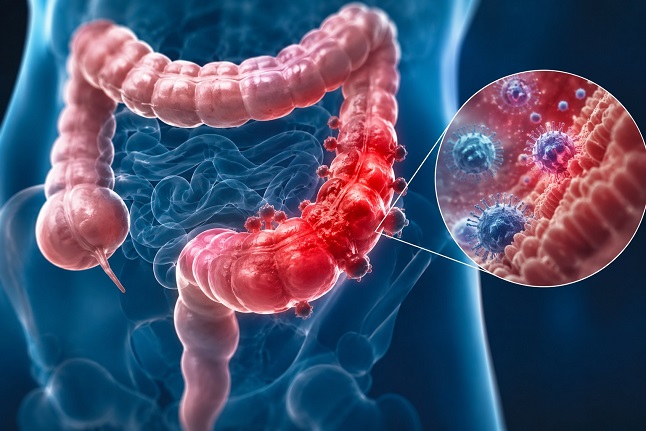 New research suggests that weakened innate immune defenses may play a central role in the development of diverticulitis
Researchers from the Department of Research and Development at the John D. Dingell Veterans Administration Medical Center in Detroit, the Department of Physiology at Wayne State University in Detroit, INCELL Corporation LLC in San Antonio, Texas, and the Division of Gastroenterology and Hepatology at the University of California at Sacramento investigated whether immune dysfunction plays a previously overlooked role in diverticulitis.
A Common Disease with Growing Impact
Diverticulosis, a condition in which small pouches develop in the wall of the colon, becomes increasingly common with age and affects as many as 70 percent of people over the age of 80. While many people never experience symptoms, a percentage will develop diverticulitis, a serious inflammatory condition that can cause abdominal pain, fever, infection, hospitalization, and even life-threatening complications.
The researchers note that diverticulitis has been increasing steadily, especially among younger adults. Previous estimates have shown dramatic rises in cases among individuals aged 18 to 49, creating a growing healthcare burden and raising concerns that current explanations for the disease may be incomplete.
Investigating the Immune System
To better understand what triggers diverticulitis, the research team compared 28 patients with a documented history of diverticulitis against 2,256 individuals without the condition.
The scientists focused on a marker known as the FERAD ratio, which combines measurements of ferritin in the blood with levels of a protein called p87 that is associated with the body's innate immune system. The innate immune system serves as the body's first line of defense against harmful microbes and tissue injury.
The results were striking. Patients with diverticulitis had dramatically lower FERAD ratios than those without the disease. Average values were 2,567 in the diverticulitis group compared to 18,989 among controls.
According to the investigators, this suggests that the innate immune system may be significantly less active in people who develop diverticulitis.
Evidence Found Directly in the Colon
The team did not stop at blood markers. They also examined tissue samples collected from different regions of the colon.
Their analysis revealed markedly lower levels of the immune-related protein p87 in the sigmoid colon and rectum of diverticulitis patients. This finding is particularly important because the sigmoid colon is the area where diverticulitis most commonly develops.&l
t;br />
The researchers believe that this regional immune weakness may leave the colon more vulnerable to inflammation, tissue injury, and disease progression.
Interestingly, the immune abnormalities appeared to be concentrated in the areas most frequently affected by diverticulitis, strengthening the argument that immune dysfunction may be a direct contributor rather than a secondary consequence of the disease.
Smoking Emerges as a Major Risk Factor
Another significant finding involved tobacco use. Nearly two-thirds of patients with diverticulitis were smokers, compared to only 38 percent of individuals without the condition.
The study also identified lower platelet counts and higher creatinine levels among diverticulitis patients, findings that have been reported in previous medical literature. Surprisingly, researchers found no significant differences in age, body mass index, diabetes rates, mortality, or cancer occurrence between the two groups.
This
Medical News report highlights an especially intriguing aspect of the findings: obesity, often blamed for diverticulitis risk, did not distinguish patients who developed the disease from those who did not.
A New Way of Thinking About Diverticulitis
The authors propose that diverticulitis may be better understood as a form of innate immunodeficiency rather than simply a disease caused by mechanical pressure, low-fiber diets, or aging. They also point to emerging evidence showing that genetics, gut bacteria, connective tissue abnormalities, and immune responses likely interact in complex ways.
The researchers further noted that previous work suggests the FERAD ratio may be influenced through nutritional interventions, including folic acid and turmeric supplementation. While much more research is needed, this raises the possibility that future therapies could focus on strengthening immune defenses rather than merely treating inflammation after it occurs.
Conclusion
The new findings offer compelling evidence that a weakened innate immune response may be a critical but underappreciated factor in diverticulitis. By demonstrating both reduced immune markers in the bloodstream and diminished immune activity in the very sections of the colon where the disease typically develops, the study opens an entirely new avenue of research. Although the number of diverticulitis patients studied was relatively small, the dramatic differences observed suggest that immune dysfunction deserves much closer attention. If confirmed by larger studies, these discoveries could lead to improved methods for identifying people at risk, preventing disease progression, and developing treatments that target the root causes of diverticulitis rather than simply managing its complications.
The study findings were published in the peer reviewed journal: Gastroenterology Insights.
https://www.mdpi.com/2036-7422/17/2/31
For the latest on diverticulitis, keep on logging to Thailand
Medical News.




 Share
Share
 Tweet
Tweet
 Share
Share

































