Nikhil Prasad Fact checked by:Thailand Medical News Team May 18, 2026 3 months, 2 weeks, 1 day, 18 hours, 4 minutes ago
Medical News: A natural compound extracted from brown seaweed could become a promising new weapon against diabetic eye disease, according to researchers in Spain who discovered that it can calm dangerous inflammation inside the retina before severe damage begins.
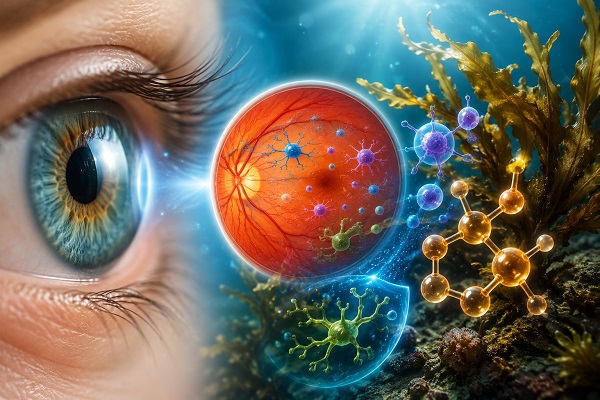 Spanish researchers discover a seaweed-derived compound that may protect the retina from early diabetic
damage and inflammation
The study focused on diabetic retinopathy, one of the most common complications of diabetes and a major cause of blindness worldwide. Scientists found that a marine-derived compound called ruguloptone A was able to reduce harmful inflammation while also activating the eye’s own protective repair systems.
Researchers from the Instituto de Investigación e Innovación en Ciencias Biomédicas de la Provincia de Cádiz (INiBICA), Hospital Universitario Puerta del Mar, Universidad de Cádiz, and the Departamento de Endocrinología y Nutrición at Hospital Universitario Puerta del Mar in Spain carried out the study.
Early Retinal Damage May Be Reversible
Diabetic retinopathy develops slowly over time as high blood sugar damages tiny blood vessels in the retina. In the early stages, the blood-retina barrier becomes weak and leaky, allowing immune cells to enter retinal tissue and trigger inflammation. Over time, this chronic inflammation can destroy retinal cells and lead to vision loss.
The researchers explained that current treatments are mostly aimed at late-stage disease, when vision has already been severely affected. Treatments such as corticosteroid injections and laser therapies can also produce serious side effects.
The new study instead targeted the earliest inflammatory events that happen before major retinal destruction occurs.
A Seaweed Compound with Powerful Anti-Inflammatory Effects
The research team investigated two natural compounds isolated from the invasive brown seaweed Rugulopteryx okamurae. These compounds, rugukadiol A and ruguloptone A, belong to a class of marine chemicals known as diterpenoids.
Laboratory tests showed that both compounds reduced inflammatory markers in immune cells linked to diabetic retinopathy. However, ruguloptone A produced much stronger protective effects.
The scientists discovered that the compound sharply lowered levels of inflammatory substances such as iNOS, IL-6, IL-1β, and NLRP3. These molecules are heavily associated with tissue damage and worsening diabetic eye disease.
More importantly, the compound did not simply block inflammation. It also switched immune cells into a healing mode.
Turning Harmful Immune Cells into Healing Cells
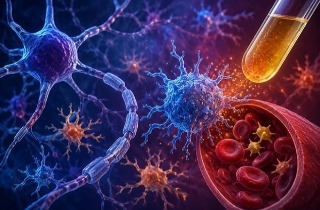
Inside the retina are immune cells called microglia. These cells can behave in two very different ways. In their “M1” state, they attack tissue and worsen inflammation. In their “M2” state, they help repair tissue and calm inflammation.
The Spanish researchers found that ruguloptone A encouraged microglia to shift from the damaging M1 state i
nto the protective M2 state.
The compound increased levels of anti-inflammatory molecules including IL-10, arginase-1, and HO-1, all of which help reduce tissue damage and promote healing inside the retina.
This
Medical News report notes that the discovery is especially important because very few natural compounds have previously shown the ability to actively push retinal immune cells toward healing behavior rather than simply suppressing inflammation.
Remarkable Results in Diabetic Rat Retinas
The team then tested the compound in retinal tissue taken from diabetic BB rats, an animal model commonly used to study type 1 diabetes and diabetic retinopathy.
The results were striking. Retinal tissue treated with ruguloptone A showed major reductions in inflammatory markers while protective genes increased significantly. The compound also reduced retinal gliosis, a dangerous inflammatory reaction linked to progressive retinal damage.
Researchers observed that activated amoeboid-shaped microglia, commonly associated with retinal inflammation, transformed back into calmer resting forms known as ramified microglia. This suggests the seaweed compound may help restore balance within retinal tissue before permanent injury develops.
A New Direction for Diabetic Eye Treatments
The researchers believe these findings could open an entirely new therapeutic strategy for diabetic retinopathy by focusing on immune modulation rather than simply treating late-stage symptoms.
Importantly, the compound appears to activate protective pathways naturally present inside retinal cells, including the HO-1 antioxidant system and specialized p38α-MAPK signaling linked to anti-inflammatory activity.
The study also highlights the growing medical importance of marine natural products. Seaweeds contain a vast number of biologically active molecules that scientists are only beginning to explore for human disease treatment.
Conclusion
The findings suggest that ruguloptone A may represent a promising future therapy for preventing or slowing diabetic retinopathy during its earliest stages. By simultaneously reducing harmful inflammation and activating the retina’s own healing mechanisms, the compound demonstrated a dual protective effect rarely seen in current treatments. Researchers believe this approach could potentially help preserve vision before irreversible retinal damage occurs. Although further animal and human studies are still needed, the discovery offers fresh hope that marine-derived compounds may eventually transform the treatment of diabetic eye disease and possibly other inflammatory disorders affecting the nervous system.
The study findings were published in the peer reviewed journal: Pharmaceutics.
https://www.mdpi.com/1999-4923/18/5/606
For the latest on diabetic retinopathy, keep on logging to Thailand
Medical News.
Read Also:
https://www.thailandmedical.news/articles/diabetes
https://www.thailandmedical.news/articles/ophthalmology-(eye-diseases)
https://www.thailandmedical.news/articles/herbs-and-phytochemicals
Medical Disclaimer: All content published by Thailand Medical News is based on scientific research and is intended for informational and educational purposes only. It is not medical advice, diagnosis, or treatment. Readers must not attempt to use, apply, or experiment with any protocols, compounds, or therapies mentioned without first consulting a qualified and licensed medical doctor. Many findings discussed are experimental or preliminary, and only a licensed healthcare professional can determine what is safe and appropriate for an individual’s specific medical condition.




 Share
Share
 Tweet
Tweet
 Share
Share