Nikhil Prasad Fact checked by:Thailand Medical News Team Mar 31, 2026 5 months, 2 days, 19 hours, 56 minutes ago
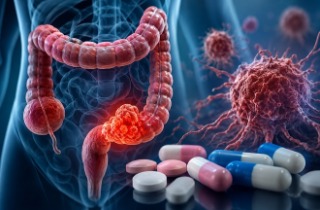
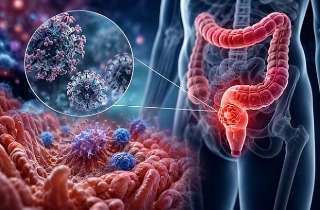
Medical News: Gastrointestinal stromal tumors, commonly known as GIST, are a rare but serious form of cancer that develops in the digestive tract. While treatments have improved significantly over the years, many patients eventually face a major challenge—drug resistance. Now, a new wave of clinical trials and emerging therapies is offering renewed hope for patients battling advanced stages of this disease.
 New clinical trials and targeted therapies are offering renewed hope for patients with drug-resistant gastrointestinal tumors
Understanding Why Current Treatments Fall Short
New clinical trials and targeted therapies are offering renewed hope for patients with drug-resistant gastrointestinal tumors
Understanding Why Current Treatments Fall Short
GIST is largely driven by mutations in specific proteins, mainly KIT and PDGFRA, which cause uncontrolled tumor growth. For years, targeted drugs known as tyrosine kinase inhibitors (TKIs), especially imatinib, have been the backbone of treatment. These drugs work by blocking the signals that drive cancer growth.
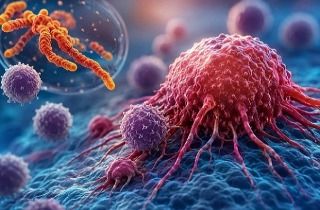
However, while these therapies can be highly effective initially, most patients with advanced disease eventually develop resistance. This means the cancer adapts and continues to grow despite treatment. As a result, researchers worldwide have been racing to find new strategies to overcome this limitation.
The research team behind this latest analysis includes experts from the Faculty of Medicine at the University of Rijeka, University Hospital Centre Zagreb, School of Dental Medicine at the University of Zagreb, Clinical Hospital Centre Rijeka, University Hospital Center Split, School of Medicine at the University of Split, General Hospital Pula, General Hospital Slavonski Brod, and affiliated academic institutions across Croatia.
A Surge in New Clinical Trials
Scientists reviewed ongoing global clinical trials conducted between 2020 and 2025 and identified 27 active studies exploring new treatments for GIST. Most of these trials focus on patients with advanced or metastatic disease, particularly those who have already failed first-line therapies.
Interestingly, over 70 percent of these trials still involve TKIs, either alone or in combination with other drugs. This shows that while researchers are building on existing knowledge, they are also trying to improve and extend the effectiveness of current treatments.
New approaches being tested include antibody–drug conjugates, immune-based therapies, and drugs targeting entirely different biological pathways. However, most trials are still in early phases, meaning more research is needed before these treatments become widely available.
This
Medical News report highlights a clear shift toward more precise and individualized treatment strategies. Nearly three-quarters of the trials require patients to have specific genetic mutations, signaling a strong move toward personalized medicine. By tailoring therapies to the unique genetic makeup of each tumor, researchers hope to significantly improve treatment outcomes and delay or even overcome drug resistance.
Beyond Traditional Treatments
Researchers are also exploring completely new strategies. Some trials are investigating drugs that modify gene activity, while others aim to boost the immune system’s ability to attack cancer cells. There is also growing interest in targeting tumor metabolism and oxygen-related pathways that may fuel cancer progression.
Another promising development is the use of liquid biopsies—simple blood tests that can detect tumor DNA. These tests could help doctors monitor how the cancer is evolving and adjust treatments in real time, offering a more dynamic and responsive approach to care.
Artificial intelligence is also beginning to play a role, helping analyze complex medical and genetic data to predict how patients will respond to specific therapies and optimize treatment decisions.
Challenges Still Remain
Despite these encouraging advances, several challenges remain. Most trials involve relatively small patient populations, making it difficult to draw strong conclusions. Recruitment is often slow because GIST is a rare disease, and many studies require very specific mutation profiles.
Additionally, many clinical trials focus on short-term outcomes such as tumor shrinkage or progression-free survival, rather than long-term survival or quality of life. This leaves important questions unanswered about how these treatments truly impact patients over time.
Conclusion
The rapidly evolving treatment landscape for GIST reflects both progress and ongoing challenges in cancer research. While current therapies have significantly improved patient survival, drug resistance continues to limit their long-term effectiveness. The increasing focus on personalized medicine, combined with innovative approaches such as immune therapies, metabolic targeting, and advanced diagnostic tools, represents a promising direction for future care. However, larger and more comprehensive studies are essential to validate these findings and ensure that new treatments translate into meaningful improvements in both survival and quality of life. Continued global collaboration and patient-centered research will be key to unlocking better outcomes for those affected by this complex disease.
The study findings were published in the peer reviewed journal: Pharmaceuticals
https://www.mdpi.com/1424-8247/19/4/548
For the latest on cancer research, keep on logging to Thailand
Medical News.
Read Also:
https://www.thailandmedical.news/articles/cancer




 Share
Share
 Tweet
Tweet
 Share
Share