Nikhil Prasad Fact checked by:Thailand Medical News Team Dec 30, 2025 8 months, 3 days, 18 hours, 15 minutes ago
Medical News: A Rare Neurological Condition Comes to Light
Doctors in Japan have reported a rare and puzzling neurological condition that appeared months after a young woman recovered from COVID-19. The condition, known as MRI-negative myelitis, causes serious spinal cord inflammation even though standard MRI scans show no damage. This
Medical News report highlights how the illness was detected, treated, and why it matters for post-COVID care.
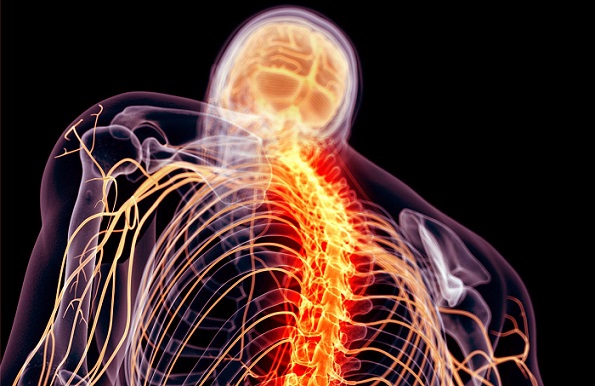 A rare post-COVID spinal condition shows that serious nerve damage can exist even when MRI scans appear normal
The research was conducted by neurologists from the Department of Neurology at the Graduate School of Medicine, Chiba University in Chiba, Japan, with additional academic collaboration acknowledged from Jikei University School of Medicine and Gifu University.
When Scans Look Normal but the Body Does Not
The patient, a 22-year-old Japanese woman, developed numbness in her legs about three months after a confirmed COVID-19 infection. Over several weeks, her symptoms worsened and included difficulty walking, muscle weakness, problems with bladder and bowel control, and abnormal reflexes. These symptoms usually point to spinal cord damage, yet repeated MRI scans of her spine appeared completely normal.
This mismatch created a serious diagnostic challenge. Normally, spinal inflammation is clearly visible on MRI scans. In this case, doctors had to look beyond routine imaging to understand what was happening.
Special Nerve Tests Reveal the Hidden Problem
To uncover the cause, doctors used a test called somatosensory evoked potentials, or SEPs. This test measures how well electrical signals travel along nerves from the body to the brain. The results showed that key nerve signals from the legs were missing, proving that the spinal cord was not functioning properly despite normal MRI images.
Further testing of the patient’s spinal fluid revealed oligoclonal bands, a sign that the immune system was actively attacking parts of the nervous system.
Treatment Escalation Makes a Difference
Doctors first treated the patient with high-dose intravenous steroids, a standard therapy for inflammation. However, her condition continued to worsen, and she eventually needed a wheelchair. Because the disease was clearly immune-driven, doctors escalated treatment by adding plasma exchange, a process that removes harmful immune components from the blood.
This combined approach led to steady improvement. After five plasma exchange sessions, the patient regained the ability to walk independently. Follow-up nerve tests confirmed that the damaged nerve signals had returned, matching her physical recovery.
Broader Findings from Other Cases
The researchers also reviewed 20 similar cases of MRI-negative myelitis reported after COVID-19. Most patients were middle-aged, and many suffered severe weakness and bladder problems. About two-thirds
improved significantly when treated with aggressive immune therapies. These findings suggest that early recognition and decisive treatment are crucial.
Why This Study Matters
This study shows that COVID-19 can trigger delayed immune attacks on the spinal cord that remain invisible on MRI scans. The findings highlight the importance of using nerve function tests when symptoms persist without clear imaging evidence. Most importantly, the study demonstrates that recovery is possible when doctors act quickly and intensify treatment appropriately.
Conclusion
The research underscores that MRI-negative myelitis after COVID-19 is real, serious, and likely immune-driven. Patients may deteriorate rapidly despite normal scans, making advanced nerve testing essential. Early diagnosis, close monitoring, and timely escalation to combination immunotherapy can significantly improve long-term neurological outcomes and restore quality of life.
The study findings were published in the peer reviewed journal: Frontiers in Immunology.
https://www.frontiersin.org/journals/immunology/articles/10.3389/fimmu.2025.1708018/full
For the latest COVID-19 News, keep on logging to Thailand
Medical News.
Read Also:
https://www.thailandmedical.news/articles/coronavirus
https://www.thailandmedical.news/articles/long-covid




 Share
Share
 Tweet
Tweet
 Share
Share

































