Nikhil Prasad Fact checked by:Thailand Medical News Team Jan 30, 2026 8 months, 6 days, 15 hours, 18 minutes ago
Medical News: A team of scientists from Chile has uncovered promising new evidence that a long-used cough medication may help block infection from COVID-19 variants, including Omicron. The research suggests that bromhexine, a drug commonly prescribed for respiratory conditions such as coughs, can interfere with the virus at the earliest stage of infection, before it even enters human cells.
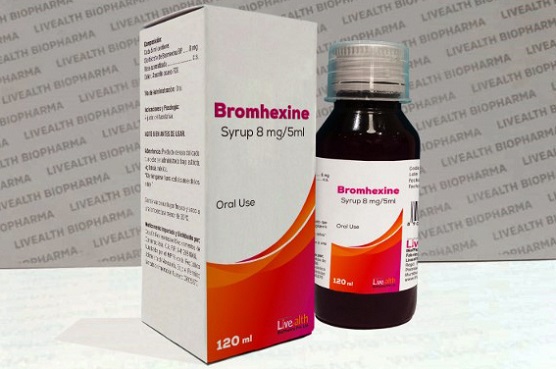 A common cough medicine may block COVID variants by stopping the virus from entering human cells
Researchers And Institutions Involved
A common cough medicine may block COVID variants by stopping the virus from entering human cells
Researchers And Institutions Involved
The study was conducted by researchers from the Laboratorio de Fisiología Molecular, Facultad de Medicina, Universidad de Talca; the Departamento de Medicina Traslacional, Facultad de Medicina, Universidad Católica del Maule; the Departamento de Farmacología, Facultad de Ciencias Biológicas, Universidad de Concepción; the Center for Nanomedicine Diagnostic and Drug Development at Universidad de Talca; and the Center for the Development of Nanoscience and Nanotechnology CEDENNA in Chile.
Why Blocking Viral Entry Matters
COVID-19 begins when the virus attaches itself to a protein called ACE2 found on the surface of human cells. Once attached, the virus slips inside and starts multiplying. Many treatments focus on stopping the virus after infection has already occurred. However, blocking this first step could prevent illness altogether. This
Medical News report highlights how bromhexine may disrupt that crucial attachment process.
How The Study Was Carried Out
Instead of using live coronavirus, the researchers used a safe laboratory model known as a pseudovirus. This model mimics the behavior of real SARS-CoV-2 but cannot reproduce or cause disease. Human kidney cells were genetically modified to carry large amounts of the ACE2 receptor, making them ideal for studying viral entry. The cells were then exposed to Omicron and other variant pseudoviruses after being treated with different doses of bromhexine.
Key Findings Explained Simply
The results were striking. Bromhexine reduced Omicron variant infection by about sixty percent at higher doses. Even at lower concentrations, it cut viral entry in half, with an effective inhibitory dose measured at around 17 micromolar. When tested against Alpha, Beta, and Delta variants, bromhexine still reduced infection by roughly forty percent, suggesting it works broadly across multiple variants.
Computer simulations revealed why this happens. Bromhexine was shown to bind tightly to the ACE2 receptor at specific sites. By attaching there, the drug destabilizes the contact point where the virus normally locks on, making it much harder for the virus to enter cells.
Why This Discovery Is Important
Bromhexine is inexpensive, widely available, and already approved for use in humans. This makes it an attractive candidate for drug repurposing, especially in regions where access to new antivirals is limited.
Because it targets a human receptor rather than the virus itself, it may remain effective even as new variants emerge.
Conclusion
The findings strongly suggest that bromhexine could serve as a frontline defense against COVID-19 by blocking viral entry at the cellular level. While further studies using live virus and clinical trials in humans are still required, the evidence supports bromhexine’s potential role as an early-stage therapeutic option, particularly when combined with other antiviral strategies. Its affordability and global availability further strengthen its relevance in ongoing and future pandemic responses.
The study findings were published in the peer reviewed journal: Frontiers in Pharmacology.
https://www.frontiersin.org/journals/pharmacology/articles/10.3389/fphar.2025.1745277/full
For the latest COVID-19 news, keep on logging to Thailand
Medical News.
Read Also:
https://www.thailandmedical.news/articles/coronavirus




 Share
Share
 Tweet
Tweet
 Share
Share