Nikhil Prasad Fact checked by:Thailand Medical News Team Apr 16, 2026 3 months, 1 week, 20 hours, 22 minutes ago
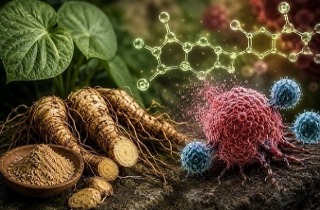
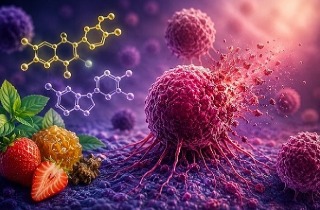
Medical News: A phytochemical compound found in everyday black tea may hold surprising power against one of the world’s deadliest cancers. Scientists have discovered that theaflavin-3,3′-digallate (TF3), a molecule formed during tea fermentation, can significantly slow the growth of liver cancer cells by targeting a key cancer-driving protein. The findings open the door to new, less toxic treatment strategies derived from natural sources.
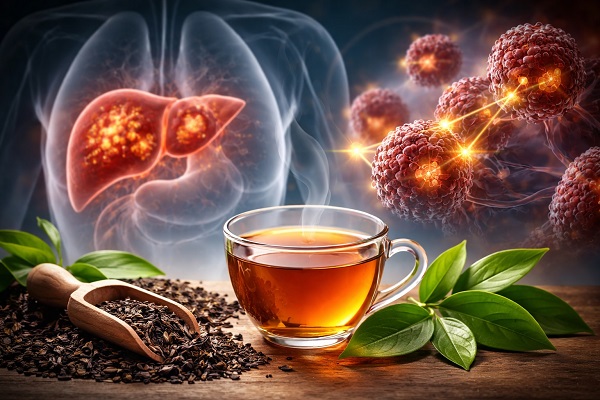 Black tea molecule TF3 halts liver cancer growth by targeting key protein pathways
Researchers Identify a Critical Cancer Target
Black tea molecule TF3 halts liver cancer growth by targeting key protein pathways
Researchers Identify a Critical Cancer Target
The study was conducted by scientists from the Key Laboratory of Infection and Immunity, Health Commission of Jiangxi Province, School of Basic Medicine, Nanchang Medical College, along with the Jiangxi Provincial Education Department Key Laboratory for the Application of Key Technologies in Drug Screening for Inflammatory Diseases and Phlegm Syndrome, and The Jiangxi Province Key Laboratory of Hematologic Diseases, all based in China.
Their research focused on hepatocellular carcinoma, the most common type of liver cancer. This disease is notoriously difficult to treat due to rapid tumor growth, drug resistance, and high recurrence rates.
The team identified a protein called Pin1 as a central driver of cancer progression. Pin1 acts like a molecular switch, helping cancer cells grow, divide, and survive. By targeting this protein, scientists believe they can disrupt multiple cancer-promoting pathways at once.
How a Tea Molecule Disrupts Cancer Growth
Using advanced laboratory techniques, the researchers found that TF3 binds directly to the Pin1 protein and blocks its activity. According to the study, TF3 showed strong binding ability and effectively reduced Pin1 function in liver cancer cells.
This disruption triggered a cascade of anti-cancer effects. Cancer cell growth slowed significantly, and their ability to multiply, spread, and invade surrounding tissues was sharply reduced. Importantly, TF3 appeared to be less harmful to normal liver cells, suggesting a safer profile compared to many conventional treatments.
Forcing Cancer Cells to Self-Destruct
One of the most striking findings was TF3’s ability to push cancer cells into programmed death, also known as apoptosis.
The compound increased harmful oxidative stress inside cancer cells and damaged their mitochondria - the energy-producing structures essential for survival. This led to a breakdown of internal systems and ultimately caused the cells to die.
At the same time, TF3 disrupted the cell cycle, effectively “freezing” cancer cells at a stage where they could no longer divide. This dual action - stopping growth and triggering death - makes TF3 particularly promising as a therapeutic candidate.
Blocking Key Cancer Signaling Pathways
This
Medical News report highlig
hts that TF3 does not act through a single mechanism but instead interferes with entire signaling networks that cancer cells rely on.
The researchers observed that TF3 suppressed two major pathways known as MAPK and PI3K/AKT. These pathways are essential for cancer cell survival, growth, and resistance to treatment. By shutting them down, TF3 effectively weakens the cancer’s defenses and limits its ability to thrive.
Further genetic analysis revealed that over 5,000 genes were affected by TF3 treatment, showing how broadly it influences cancer biology.
Reduced Spread and Aggressiveness
Beyond killing cancer cells, TF3 also reduced their ability to move and invade other tissues. This is critical because metastasis—the spread of cancer—is often what makes the disease fatal.
The study showed that TF3 lowered the levels of proteins involved in cell movement and tissue invasion. As a result, treated cancer cells became less aggressive and less capable of spreading.
Conclusion
This study provides compelling evidence that a natural compound derived from black tea could become a powerful tool in the fight against liver cancer. By targeting the Pin1 protein and disrupting multiple cancer-driving pathways, TF3 demonstrates a multi-layered attack on tumor cells. Its ability to selectively affect cancer cells while sparing normal ones adds to its appeal as a safer alternative or complementary therapy.
While these findings are still based on laboratory studies and require further validation in clinical trials, they highlight the growing potential of plant-based compounds in modern medicine. If future research confirms these results, TF3 could pave the way for new treatments that are both effective and less toxic for patients battling liver cancer.
The study findings were published in the peer reviewed journal: Biomolecules.
https://www.mdpi.com/2218-273X/16/4/583
For the latest on herbs and phytochemicals, keep on logging to Thailand
Medical News.
Read Also:
https://www.thailandmedical.news/articles/cancer
https://www.thailandmedical.news/articles/herbs-and-phytochemicals




 Share
Share
 Tweet
Tweet
 Share
Share