Nikhil Prasad Fact checked by:Thailand Medical News Team Jan 03, 2026 7 months, 4 weeks, 2 days, 6 hours, 44 minutes ago
Medical News: Ancient formula Bojungikgi tang found to ease trauma related brain dysfunction in new study
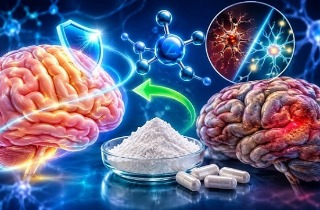
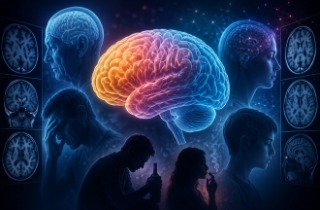
A new study by researchers from the Korea Institute of Oriental Medicine (KIOM) in Daejeon, South Korea has revealed that Bojungikgi-tang, a traditional herbal medicine long used in East Asia to treat fatigue and immune issues, may help relieve the emotional and cognitive effects of post-traumatic stress disorder (PTSD). This
Medical News report highlights how the herbal formula significantly improved symptoms in mice suffering from PTSD-like conditions caused by prolonged stress and electric shock.
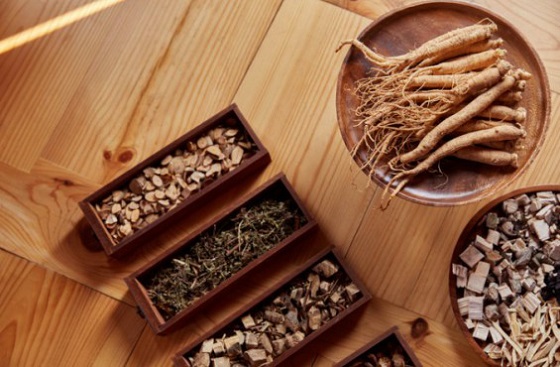 Bojungikgi tang was shown to reduce fear, anxiety, and cognitive decline in PTSD model mice by regulating
GABA signaling and stress hormones.
Traditional Medicine Offers New Hope for PTSD
PTSD is a mental disorder often triggered by traumatic events and is marked by anxiety, depression, hypervigilance, and cognitive decline. Current medications like selective serotonin reuptake inhibitors (SSRIs) provide limited relief and are often accompanied by side effects. Bojungikgi-tang, known for its immune-boosting and digestive benefits, had never been evaluated for PTSD until now.
To explore its potential, scientists subjected mice to a severe stress model known as Single-Prolonged Stress with Shock (SPSS), simulating the trauma-related responses seen in human PTSD. Mice were then given Bojungikgi-tang daily for two weeks, at two different doses.
Improvements in Stress and Brain Function
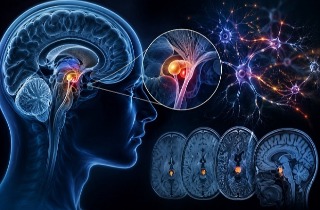
The mice treated with Bojungikgi-tang showed marked improvements in stress responses. Their body weight increased—suggesting reduced stress—and levels of corticosterone (a stress hormone equivalent to cortisol in humans) dropped to near-normal. These results indicate that the herbal formula helps regulate the hypothalamic–pituitary–adrenal (HPA) axis, which often becomes imbalanced in PTSD.
Behavioral tests revealed improvements in anxiety, depression, memory, and fear responses. For example, mice moved more freely in open spaces, showed less despair in forced swim tests, and displayed better memory in maze experiments. Bojungikgi-tang also reduced the freezing behavior typical of fear-related trauma, proving its calming effect.
Healing Brain Cells and Boosting Neurotransmitters
Bojungikgi-tang was found to restore brain cell activity and growth. The study showed increased levels of brain markers like c-Fos, DCX, and Prox1—key proteins related to neurogenesis and healthy neuron development. These were especially active in the hippocampus, a brain region critical for memory and emotional regulation.
More importantly, the herb improved GABAergic neurotransmission. PTSD often disrupts GABA—the brain’s main calming chemical. Treated mice had higher GABA levels and restored expression of related proteins like GAD67, parvalbumin, and vGAT, which are essential for controlling anxiety and fear.
;
Rebalancing Brain Signals from the Inside
On a deeper molecular level, Bojungikgi-tang was found to normalize intracellular signaling pathways that influence brain function and behavior. It reduced overactivation of harmful pathways like JNK and CaMKII, which are linked to stress-related brain changes. It also enhanced protective signals involving β-catenin, Pin1, and potassium channels like Kv4.2, all of which help with cognition and emotional regulation.
Promising Outlook with Traditional Wisdom
These findings suggest that Bojungikgi-tang could be a safe and effective complementary treatment for PTSD, working through multiple pathways to heal the stressed brain. However, researchers caution that while the results in mice are promising, more work is needed to identify which herbal components are responsible for the benefits and to test the formula in human trials.
The study was conducted by Mudan Cai, Hee Ra Park, and Eun Jin Yang from the Korean Medicine Science Research Division at the Korea Institute of Oriental Medicine.
The study findings were published in the peer reviewed journal: Biomedicines.
https://www.mdpi.com/2227-9059/13/12/2846
For the latest on Herbs and Phytochemicals, keep on logging to Thailand
Medical News.
Read Also:
https://www.thailandmedical.news/articles/herbs-and-phytochemicals




 Share
Share
 Tweet
Tweet
 Share
Share