Nikhil Prasad Fact checked by:Thailand Medical News Team May 03, 2026 3 months, 5 days, 22 hours, 30 minutes ago
Medical News: A growing body of research is shedding light on how certain bacteria in the body may quietly influence cancer development. One such bacterium, Fusobacterium nucleatum, is now under intense scientific scrutiny for its potential role in colorectal cancer. A new review highlights how this common microbe—usually found in the mouth—may actively contribute to tumor growth, spread, and even resistance to treatment.
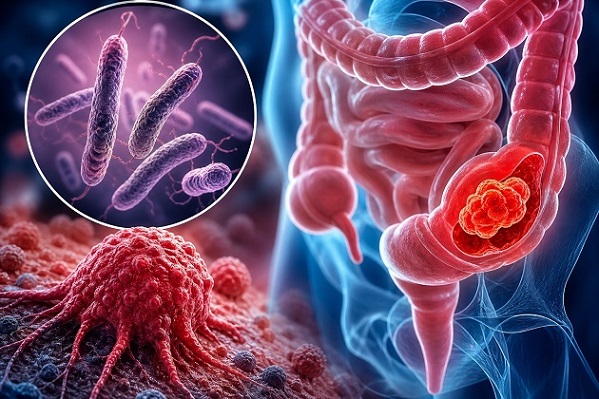 Scientists uncover how a common oral bacterium may fuel colorectal cancer growth
From Mouth to Tumor: A Hidden Journey
Scientists uncover how a common oral bacterium may fuel colorectal cancer growth
From Mouth to Tumor: A Hidden Journey
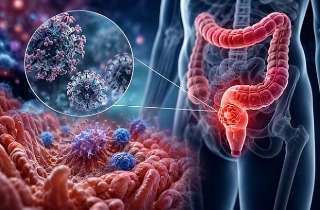
Fusobacterium nucleatum is normally part of the oral microbiome, living harmlessly in dental plaque. However, scientists now believe it can travel from the mouth to the gut under certain conditions. Once there, it may settle in the colon, especially in environments already disturbed by inflammation or disease.
Researchers from the Cuiying Biomedical Research Center at The Second Hospital & Clinical Medical School of Lanzhou University in China, along with the High Altitude Medical Research Center in Xining, report that this bacterium is frequently found in higher amounts within colorectal tumor tissues compared to healthy tissue.
This suggests that its presence is not random—it may be selectively thriving in tumor environments.
Not All Bacteria Are Equal
One of the most important discoveries is that Fusobacterium nucleatum is not a single uniform organism. Instead, it consists of different subtypes, or “lineages,” each with unique characteristics.
A specific subtype known as Fna C2 has drawn particular attention. Scientists believe this version may be better adapted to survive in the gut and inside tumors. It appears to have genetic traits that allow it to tolerate harsh conditions, feed on available nutrients, and persist longer in the body.
However, while this subtype is considered high-risk, researchers caution that more clinical studies are needed to fully confirm its exact role.
How the Bacterium Promotes Cancer
The study outlines several ways this bacterium may influence cancer development:
-1. Sticking to Cells and Forming Communities
The bacterium can attach itself to colon cells using specialized proteins. It also forms structured communities called biofilms, allowing it to stay protected and interact closely with human tissue.
-2. Triggering Harmful Cell Signals
Once attached, it can activate pathways inside cells that encourage uncontrolled growth. These signals are similar to those seen in cancer progression.
-3. Causing Chronic Inflammation
The bacterium stimulates the release of inflammatory chemicals. Over time, this persistent inflammation can damage tissues and create conditions favorable for cancer.
-4. Weakening the Immune System
It can interfere with immune cells, making it harder for the body to detect and dest
roy cancer cells. Some of its proteins even directly block immune responses.
-5. Altering Metabolism
The bacterium can change how cells use energy, making the environment more suitable for tumor growth and its own survival.
More Than Just a Bystander
This
Medical News report highlights that Fusobacterium nucleatum is unlikely to be a passive presence. Instead, it may act along a spectrum—sometimes helping trigger cancer development, and in other cases amplifying existing disease processes.
Interestingly, the bacterium is often found in organized clusters within tumors rather than scattered randomly. This structured presence suggests it plays an active role in shaping the tumor environment.
Impact on Disease Outcomes
Higher levels of this bacterium have been linked to more aggressive cancers. Patients with increased bacterial presence often show:
-Advanced tumor stages
-Higher chances of metastasis
-Greater risk of recurrence
-Reduced survival rates
It may also reduce the effectiveness of treatments such as chemotherapy and immunotherapy by protecting cancer cells and suppressing immune responses.
Potential for Diagnosis and Treatment
Scientists are now exploring how this bacterium could be used in medical practice. Detecting it in stool samples or tumor tissue may help identify patients at higher risk.
There is also growing interest in targeting the bacterium directly. Early research suggests that antibiotics, dietary changes, or microbiome therapies could reduce its levels and potentially improve treatment outcomes.
However, experts warn that simply eliminating the bacterium may not be enough. A more effective strategy may involve combining bacterial control with immune and metabolic therapies.
Conclusion
The emerging evidence paints a complex picture of Fusobacterium nucleatum as more than just a microbial passenger. It appears to interact deeply with the human body, influencing cancer growth, immune responses, and treatment outcomes. While not all strains are equally harmful, certain high-risk types may play a significant role in colorectal cancer progression. Understanding these differences will be key to developing better diagnostic tools and targeted therapies. As research advances, this bacterium may become an important focus in the fight against one of the world’s most common cancers.
The study findings were published in the peer reviewed journal: Pathogens.
https://www.mdpi.com/2076-0817/15/5/483
For the latest colon cancer research, keep on logging to Thailand
Medical News.
Read Also:
https://www.thailandmedical.news/articles/cancer




 Share
Share
 Tweet
Tweet
 Share
Share