Nikhil Prasad Fact checked by:Thailand Medical News Team Apr 21, 2026 3 months, 2 days, 19 hours, 58 minutes ago
Medical News: A growing body of scientific research is reshaping how we understand heart disease, revealing that inflammation - not just cholesterol - plays a powerful role in damaging blood vessels. A new review highlights how natural compounds found in foods, herbs, and traditional remedies may help block a key inflammatory pathway linked to atherosclerosis, a major cause of heart attacks and strokes.
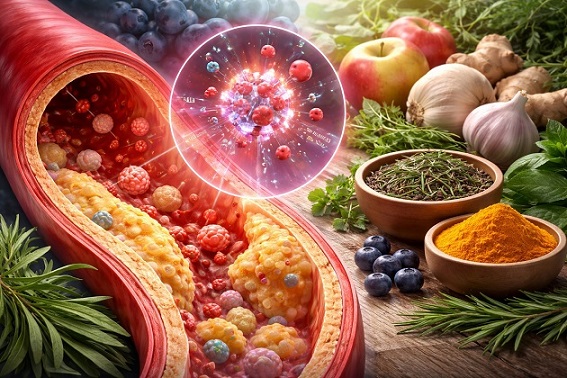 Natural substances may help block dangerous inflammation driving heart disease
A New View of Heart Disease
Natural substances may help block dangerous inflammation driving heart disease
A New View of Heart Disease
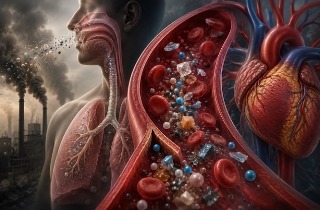
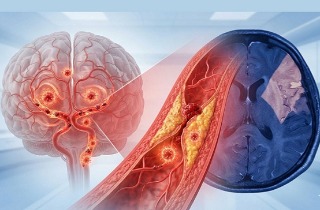
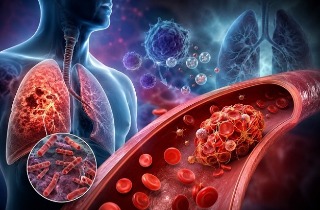
For decades, atherosclerosis was seen mainly as a buildup of fatty deposits in arteries. But scientists now understand it as a chronic inflammatory condition where the immune system plays a central role. Harmful substances like oxidized cholesterol trigger immune responses, leading to swelling, damage, and plaque formation in blood vessels.
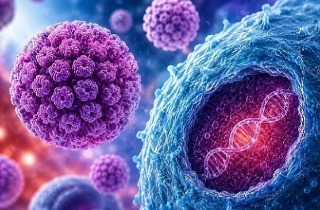
At the center of this process is a molecular complex called the NLRP3 inflammasome. This structure acts like a sensor inside immune cells, detecting danger signals such as cholesterol crystals and oxidative stress. Once activated, it releases powerful inflammatory chemicals that worsen artery damage and increase the risk of plaque rupture.
Why Current Treatments Fall Short
Modern treatments like statins effectively lower cholesterol levels, but they do not fully eliminate cardiovascular risk. Many patients continue to face what experts call “residual inflammatory risk,” meaning inflammation continues even after cholesterol is controlled.
This gap has led researchers to search for safer, more targeted ways to reduce inflammation without serious side effects. Natural compounds are emerging as promising candidates due to their ability to act on multiple biological pathways at once.
Natural Products Show Powerful Effects
This
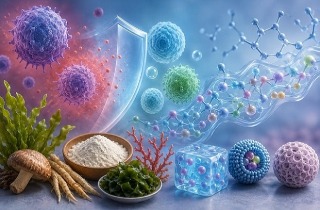
Medical News report highlights that both plant extracts and purified natural compounds can significantly reduce inflammation linked to heart disease. For example, extracts from common foods such as mushrooms and apples have shown the ability to reduce plaque buildup and inflammation in animal studies. These natural substances work by blocking early inflammatory signals and reducing oxidative stress, which is known to activate harmful immune responses.
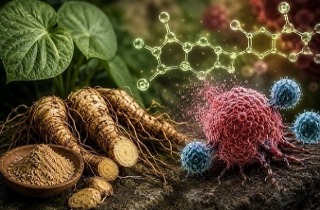
Other plant-based compounds such as curcumin (from turmeric), baicalin, and resveratrol-like molecules have demonstrated even more targeted effects. They can directly suppress the NLRP3 inflammasome or reduce the production of inflammatory molecules like IL-1β and IL-18.
Some compounds go even further by helping cells clean up damaged components through a process called autophagy. This reduces cellular stress and prevents the activation of inflammation at its source.
Multiple Mechanisms Working Together
One of the most important findings is that natural compounds do not act in just one way. Instead, they target several stages of t
he disease process:
-Blocking early inflammatory signals before damage begins
-Reducing oxidative stress that triggers immune activation
-Preventing the assembly of harmful inflammatory complexes
-Promoting cellular repair and cleanup processes
This multi-target approach may explain why natural products are so effective in preclinical studies compared to single-target drugs.
Challenges Before Human Use
Despite these promising results, there are still challenges before these compounds can be widely used in clinical settings. Many natural substances have low absorption in the body, meaning they may not reach effective levels in the bloodstream.
Additionally, most current evidence comes from animal studies, which do not always fully replicate human disease. Standardizing natural extracts is also difficult, as their composition can vary depending on how they are grown and processed.
Researchers are now exploring advanced delivery systems, such as nanoparticles, to improve how these compounds are absorbed and targeted within the body.
A Promising Future for Heart Health
The findings suggest that targeting inflammation - especially the NLRP3 inflammasome - could be a game-changing strategy in preventing and treating cardiovascular disease. Natural compounds offer a unique advantage because they can act on multiple pathways while potentially causing fewer side effects.
In the future, combining these natural agents with existing treatments like statins could provide a more complete approach to reducing both cholesterol and inflammation. However, large human clinical trials are still needed to confirm their effectiveness and safety.
Conclusion
The emerging evidence presents a compelling shift in how cardiovascular disease may be treated in the future. Rather than focusing solely on cholesterol reduction, scientists are now targeting the deeper inflammatory mechanisms driving artery damage. Natural compounds, with their ability to act on multiple biological pathways, represent a powerful and promising frontier in this effort. While challenges such as bioavailability and clinical validation remain, continued research could pave the way for safer, more effective therapies that address both the root causes and progression of heart disease.
The study findings were published in the peer reviewed International Journal of Molecular Sciences.
https://www.mdpi.com/1422-0067/27/8/3650
For the latest on treating Heart Inflammation, keep on logging to Thailand
Medical News.
Read Also:
https://www.thailandmedical.news/articles/herbs-and-phytochemicals
https://www.thailandmedical.news/articles/cardiology




 Share
Share
 Tweet
Tweet
 Share
Share