Petiveria alliacea Extract Stops Harmful Amyloid Buildup in Alzheimer and Exhibits Neuroprotective Properties
Nikhil Prasad Fact checked by:Thailand Medical News Team Dec 18, 2025 8 months, 2 weeks, 1 day, 15 hours, 26 minutes ago
Medical News: Traditional memory plant draws scientific attention
A plant long used in traditional medicine to support memory is now gaining serious scientific attention for its potential role in fighting Alzheimer’s disease. Petiveria alliacea, commonly known as anamú or hierba del zorillo, has been shown to block the buildup of toxic amyloid beta proteins and protect human brain cells from damage linked to Alzheimer’s. The study was carried out by researchers from the Universidad de Guanajuato, the Centro de Investigación y Estudios Avanzados del Instituto Politécnico Nacional CINVESTAV, the National Institute of Genomic Medicine INMEGEN, and the Universidad Autónoma Metropolitana in Mexico.
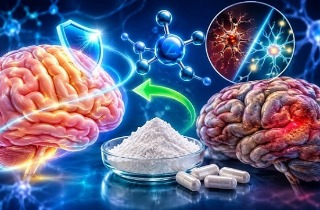
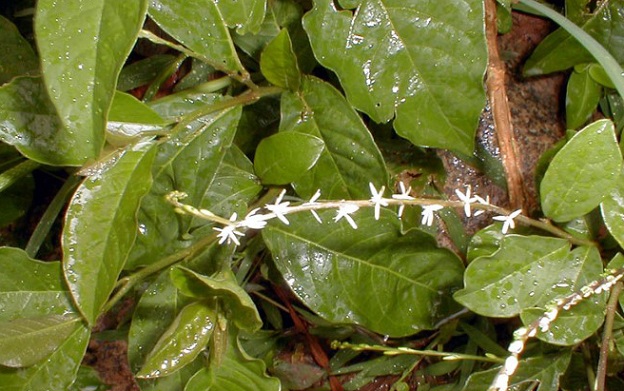 A traditional memory plant extract shows strong ability to block toxic amyloid buildup and protect human brain cells
in Alzheimer’s disease
Why amyloid buildup is so dangerous in Alzheimer
Alzheimer’s disease develops when amyloid beta proteins begin sticking together in the brain, forming clumps that disrupt communication between nerve cells. These clumps trigger inflammation, oxidative stress, and ultimately neuron death, leading to memory loss and cognitive decline. Most current treatments do not stop this process, which is why targeting amyloid buildup remains one of the most important goals in Alzheimer research.
How scientists tested the plant extract
In this Medical News report, scientists tested extracts from Petiveria alliacea leaves on human SH SY5Y neuroblastoma cells, which behave similarly to human neurons. The cells were deliberately exposed to amyloid beta to mimic Alzheimer related damage. Among several extracts tested, the methanol-based leaf extract showed the strongest and safest protective effect.
Extract blocks and breaks down toxic amyloid
Laboratory testing showed that the Petiveria alliacea methanol extract prevented amyloid beta proteins from clumping together. Even more importantly, it was able to break apart amyloid clumps that had already formed. This dual action is significant because most experimental therapies can only slow amyloid formation rather than reverse it.
Clear protection seen in human brain cells
Cells exposed to amyloid beta alone suffered major damage, with survival rates dropping sharply. When treated with the plant extract, cell survival increased by more than 25 percent. The extract was well tolerated at effective doses, while other plant fractions were excluded due to toxicity. This confirms that the observed benefits were due to true neuroprotection rather than reduced stress alone.
Natural compounds act on multiple pathways
Chemical analysis identified more than 70 natural compounds in the extract, including fatty acids, aromatic molecules, and plant derived oils. Computer based analysis showed that several of these compounds may interact with proteins involved in inflammation, immune signaling, oxidative stress, and amyloid clearance. This suggests the plant works through multiple protective pathways
rather than a single mechanism.
Final perspective on Alzheimer potential
These findings suggest that Petiveria alliacea could become an important source of future Alzheimer therapies. The extract’s ability to block amyloid buildup, dismantle existing protein clumps, and protect brain cells highlights its promise as a multi target approach. However, further animal studies and human clinical trials are essential before any medical use can be recommended. Overall, the research strengthens the case for exploring traditional medicinal plants as serious candidates in the fight against neurodegenerative diseases like Alzheimer’s.
The study findings were published on a preprint server and are currently being peer-reviewed.
https://papers.ssrn.com/sol3/papers.cfm?abstract_id=5886775
For the latest on Herbs and Phytochemicals, keep on logging to Thailand
Medical News.
Read Also:
https://www.thailandmedical.news/articles/herbs-and-phytochemicals
https://www.thailandmedical.news/articles/alzheimer,-dementia




 Share
Share
 Tweet
Tweet
 Share
Share