Galloylated Polyphenols Identified as Powerful Natural Compounds Against Blood Clots
Nikhil Prasad Fact checked by:Thailand Medical News Team Feb 14, 2025 1 year, 5 months, 1 week, 2 days, 23 hours, 5 minutes ago
Medical News: Natural Plant Compounds Show Promise in Preventing Blood Clots
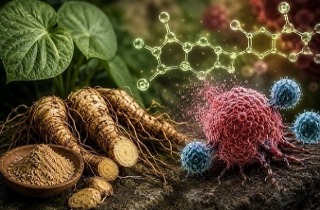
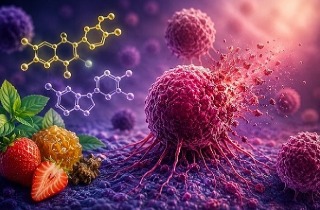
A recent study by researchers from Beth Israel Deaconess Medical Center and Harvard Medical School in the United States, along with Bloodworks Northwest Research Institute, Seattle-USA and Minjiang University in China, has uncovered exciting new findings about galloylated polyphenols. These plant-based phytochemical compounds, commonly found in tea, coffee, and certain fruits, have been identified as natural inhibitors of blood clot formation, offering potential new approaches to prevent thrombosis.
 Galloylated Polyphenols Identified as Powerful Natural Compounds Against Blood Clots
How Galloylated Polyphenols Work Against Clots
Galloylated Polyphenols Identified as Powerful Natural Compounds Against Blood Clots
How Galloylated Polyphenols Work Against Clots
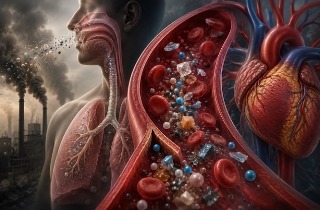
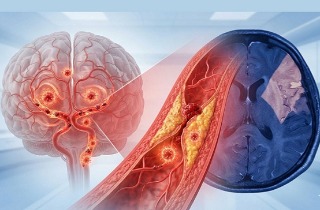
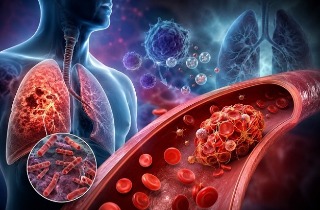
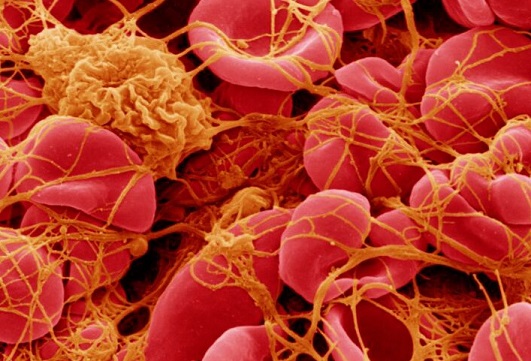
Thrombosis, or the formation of harmful blood clots, is a major cause of heart attacks and strokes. The study focused on thiol isomerases, a group of enzymes that play a key role in blood clot formation. Researchers discovered that galloylated polyphenols, particularly compounds such as punicalagin (found in pomegranates) and pinocembrin 7-O-(3''-galloyl-4'',6''-(S)-hexahydroxydiphenoyl)-beta-D-glucose (PGHG), effectively inhibit these enzymes.
This
Medical News report highlights that when tested in laboratory conditions, these polyphenols significantly reduced the activity of thiol isomerases, including PDI, ERp57, ERp5, ERp72, and ERp46. These findings were confirmed in animal models, where oral administration of punicalagin resulted in a notable reduction in thrombus formation, indicating strong antithrombotic effects.
Broader Implications for Cardiovascular Health and Other Health Benefits
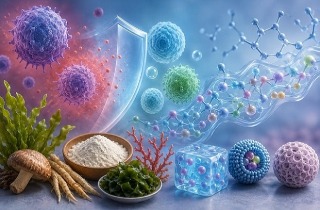
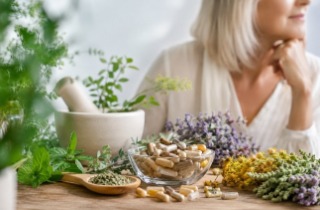
The researchers noted that galloylated polyphenols are abundant in commonly consumed plant-based foods and beverages. Green tea, which has long been associated with heart health benefits, contains high levels of these compounds. Similarly, fruits such as berries and pomegranates also provide a natural source. The study further suggests that galloylated polyphenols may help in reducing platelet activity, another key factor in blood clot formation.
Interestingly, these compounds not only target thiol isomerases but also inhibit SARS-CoV-2 Mpro, an enzyme linked to COVID-19. This dual action raises the possibility that galloylated polyphenols could offer additional benefits beyond cardiovascular health, potentially aiding in viral inhibition as well.
Challenges and Future Research
Despite the promising findings, the study also highlighted some challenges. Many galloylated polyphenols have low bioavailability, meaning they are not easily absorbed by the body. However, scientists suggest that combining these compounds with certain foods like black pepper, milk, or ascorbic acid could enhance their absorption. Additionally, new formulations, such as nanoemulsions and liposomal preparations, may improve their effectiveness in medical applications.
Conclusion
Galloylated polyphenols represent a prom
ising class of natural compounds with strong antithrombotic potential. Their ability to inhibit thiol isomerases and reduce blood clot formation in animal models suggests they could be developed into new treatments for cardiovascular diseases. While their limited bioavailability remains a challenge, ongoing research may lead to new strategies for improving their absorption and efficacy. If future studies confirm these effects in humans, galloylated polyphenols could become a valuable tool in preventing heart attacks, strokes, and other clot-related conditions.
The study findings were published in the peer-reviewed Journal of Thrombosis and Haemostasis
https://www.sciencedirect.com/science/article/pii/S1538783625000674
For the latest on Herbs and Phytochemicals, keep on logging to Thailand
Medical News.
Read Also:
https://www.thailandmedical.news/news/pittsburgh-study-finds-that-exposure-to-red-light-reduces-risk-of-blood-clots-and-stroke
https://www.thailandmedical.news/news/texas-study-finds-that-herbal-remedies-show-promise-in-managing-immune-thrombocytopenia
https://www.thailandmedical.news/news/new-study-shows-promising-anticoagulant-benefits-of-snow-mountain-garlic




 Share
Share
 Tweet
Tweet
 Share
Share