Nikhil Prasad Fact checked by:Thailand Medical News Team Feb 09, 2026 6 months, 3 weeks, 21 hours, 37 minutes ago
Medical News: Millions of people worldwide continue to struggle with long COVID, a condition marked by lingering symptoms months after the initial coronavirus infection. Fatigue, brain fog, memory problems, shortness of breath, anxiety, sleep disturbances, and heart-related complaints have left many patients unable to return to normal life. Now, a comprehensive new scientific review suggests that hyperbaric oxygen therapy may offer meaningful relief for many of these persistent symptoms, according to findings reviewed in this
Medical News report.
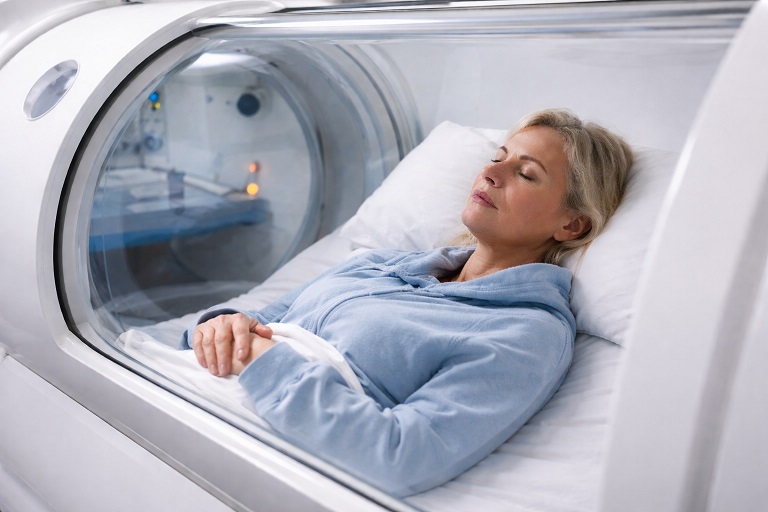 Pressurized oxygen treatment may help ease fatigue brain fog and cognitive symptoms in long COVID patients
Understanding Long COVID and Why It Persists
Pressurized oxygen treatment may help ease fatigue brain fog and cognitive symptoms in long COVID patients
Understanding Long COVID and Why It Persists
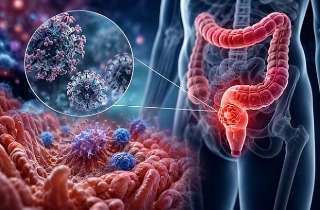
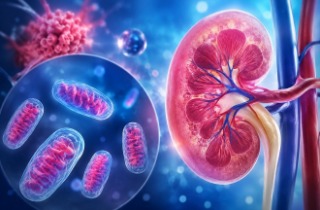
Long COVID is defined by the World Health Organization as symptoms that appear or continue three months after a COVID-19 infection and last for at least two months without another clear cause. Researchers estimate that between 10 and 30 percent of non-hospitalized COVID-19 patients, and up to 70 percent of those hospitalized, experience long-term complications. Neurological issues such as brain fog, memory loss, loss of smell, anxiety, depression, and overwhelming fatigue are among the most common complaints. Scientists believe these symptoms may be driven by ongoing inflammation, poor blood flow, immune system disruption, and damage to the tiny energy-producing structures inside cells known as mitochondria.
What Is Hyperbaric Oxygen Therapy
Hyperbaric oxygen therapy, often called HBOT, involves breathing nearly pure oxygen inside a pressurized chamber. Under these conditions, oxygen dissolves more efficiently into the bloodstream and reaches tissues that may be starved of oxygen due to inflammation or damaged blood vessels. HBOT has been used safely for decades to treat conditions such as decompression sickness, carbon monoxide poisoning, non-healing wounds, and radiation injuries.
What The Researchers Reviewed
The researchers analyzed 21 human studies published between January 2021 and October 2025, including randomized controlled trials, systematic reviews, and clinical case reports. The research teams were from Sapienza University of Rome, Italy; the National Research Council of Italy; ASL Rieti–Sapienza University Hospital; and the Interdisciplinary Department of Well-Being, Health and Environmental Sustainability at Sapienza University of Rome. Together, these studies evaluated how HBOT affected fatigue, cognitive function, mental health, heart performance, lung function, and overall quality of life in people with long COVID.
Key Findings Explained Simply
Across many studies, patients receiving HBOT reported improvements in fatigue, concentration, memory, sleep quality, mood, and daily functioning. Several trials also showed better heart performance and improved blood flow to the brain. Scientists believe HBOT may reduce chronic inflammation, improve oxygen delivery to damaged tissues, stimulate new blood vessel formation, and support brain repair and neuroplasticity. Some studies noted that ben
efits lasted for months after treatment ended, although not every trial showed strong improvements, highlighting the need for standardized treatment protocols.
Safety And Limitations
HBOT was generally found to be safe, with most side effects being mild and temporary, such as ear discomfort due to pressure changes. However, researchers emphasized that study designs varied widely, including differences in pressure levels, number of sessions, and timing after COVID-19 infection. This makes direct comparison difficult and underscores the need for larger, well-designed clinical trials.
Conclusion
Overall, the findings suggest that hyperbaric oxygen therapy holds real promise as a supportive treatment for long COVID, particularly for neurological symptoms, fatigue, and reduced quality of life. While it is not yet a standardized or universally recommended therapy, HBOT could become an important option for patients who have not responded to conventional treatments, provided further large-scale studies confirm its benefits and define clear treatment guidelines.
The study findings were published in the peer reviewed journal: Diseases.
https://www.mdpi.com/2079-9721/14/2/60
For the latest on Long COVID, keep on logging to Thailand
Medical News.
Read Also:
https://www.thailandmedical.news/articles/long-covid
https://www.thailandmedical.news/articles/coronavirus




 Share
Share
 Tweet
Tweet
 Share
Share