Nikhil Prasad Fact checked by:Thailand Medical News Team Aug 04, 2025 1 year, 4 weeks, 1 day, 23 hours, 35 minutes ago
Medical News: Infectious roots of a mental illness
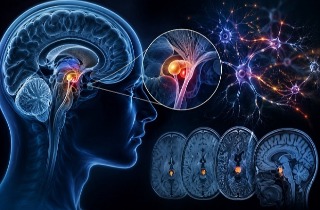
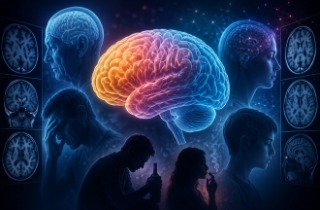
Schizophrenia, a severe mental disorder that affects thinking, emotions, and behavior, has long puzzled scientists. But new research from Romania is shedding light on an unexpected suspect—viruses. Scientists from the “Carol Davila” University of Medicine and Pharmacy in Bucharest have reviewed decades of evidence and now believe that infections with common viruses during pregnancy or early childhood could play a significant role in increasing the risk of schizophrenia later in life.
 Viral Infections May Play a Hidden Role in Schizophrenia
This
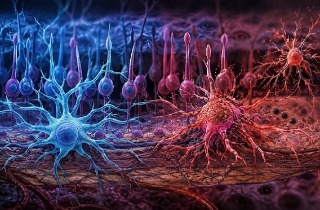
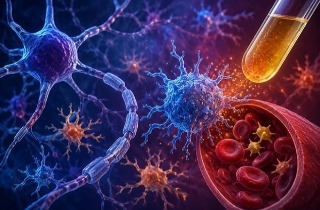
Medical News report highlights that while schizophrenia has long been considered a genetic and neurodevelopmental condition, infectious agents may act as environmental triggers that set off brain inflammation, impair neurotransmitters, and interfere with brain development in vulnerable individuals. The review specifically focuses on neurotropic viruses—those that invade and persist in the brain.
Viruses may invade silently but leave lasting damage
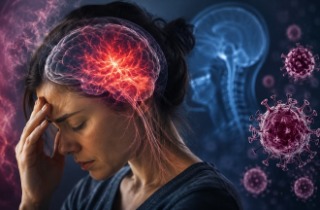
The study examined several viruses that may contribute to schizophrenia, including herpes simplex viruses (HSV-1 and HSV-2), cytomegalovirus (CMV), Epstein–Barr virus (EBV), varicella-zoster virus (VZV), and even SARS-CoV-2. Many of these viruses can lie dormant in the body for years, quietly residing in brain tissue and periodically reactivating. This can cause low-grade chronic inflammation or subtle damage to neurons, especially in brain regions responsible for memory, cognition, and emotional regulation.
One striking example is HSV-1, commonly known for causing cold sores. In people with schizophrenia, HSV-1 infection has been linked to shrinking of the prefrontal cortex and hippocampus—key areas that regulate decision-making and memory. Additionally, higher levels of inflammation-related proteins like interleukin-6 and TNF-alpha were found in these individuals, suggesting the virus may fuel harmful immune responses in the brain.
The immune system's double-edged sword
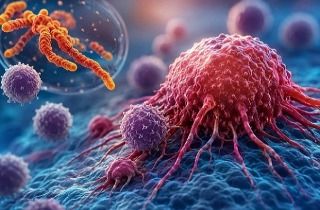
Another important factor is how the immune system reacts to these infections. During pregnancy, a mother’s immune response to a viral infection can flood the fetus with inflammatory chemicals, potentially disrupting normal brain development. In animal studies, such maternal immune activation has produced offspring with schizophrenia-like behaviors.
Genetic studies also support this connection. People with schizophrenia often have specific immune gene variations, such as in the major histocompatibility complex (MHC), that may make them more vulnerable to viral effects or less able to clear infections efficiently.
A potential path to new treatments
Current treatments for schizophrenia mainly focus on controlling symptoms through antipsychotic medications, but these do not address underlying inflammation or infection. However, this new understanding opens the door to innovative therapies. Early researc
h suggests that antiviral drugs and anti-inflammatory medications could help certain patients, especially those with signs of ongoing immune activation or viral exposure.
In conclusion, while viruses are not the sole cause of schizophrenia, they appear to be a significant environmental risk factor—especially when combined with genetic susceptibility and immune dysfunction. This evolving theory may not only improve our understanding of schizophrenia’s origins but also offer new hope for prevention and targeted treatment strategies.
The study findings were published in the peer reviewed International Journal of Molecular Sciences
https://www.mdpi.com/1422-0067/26/15/7429
For the latest on mental health and viral infections, keep on logging to Thailand
Medical News
Read Also:
https://www.thailandmedical.news/news/covid-19-causes-psychosis-and-schizophrenia-by-s-proteins-activating-epidermal-growth-factor-receptor-signaling
https://www.thailandmedical.news/news/japanese-case-study-shows-new-onset-of-schizophrenia-in-adolescent-post-covid-19
https://www.thailandmedical.news/news/covid-19-news-sars-cov-2-infections-can-trigger-onset-of-bipolar-disorder
https://www.thailandmedical.news/news/yet-another-study-finds-that-covid-19-affects-mental-health-even-in-young-and-mildly-infected-individuals




 Share
Share
 Tweet
Tweet
 Share
Share