COVID-19 Infection in Pregnancy Triggers Hidden Blood Antibodies Linked to Dangerous Placental Complications
Nikhil Prasad Fact checked by:Thailand Medical News Team Apr 15, 2026 4 months, 2 weeks, 3 days, 15 hours, 53 minutes ago
Medical News: A new clinical investigation is raising fresh concerns about how COVID-19 may silently affect pregnant women, even when symptoms are mild. Researchers have found that the infection can trigger the production of abnormal blood antibodies that may interfere with the placenta and increase the risk of complications for both mother and baby.
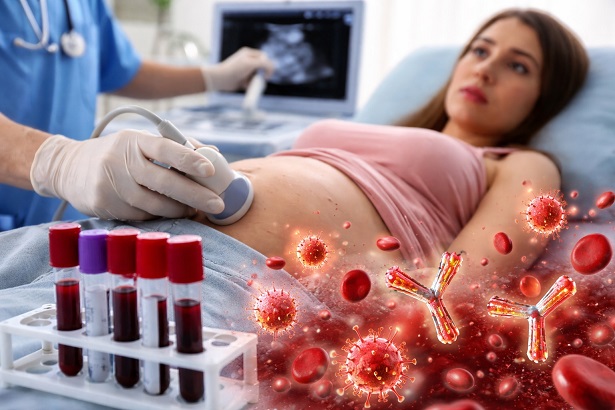 COVID-19 in pregnancy may silently trigger antibodies that disrupt placental health and increase risks for mothers
and babies
What the Study Looked At
The study focused on pregnant women who contracted COVID-19 and examined whether they developed antiphospholipid antibodies - immune proteins known to disrupt blood clotting and damage blood vessels. These antibodies have long been linked to pregnancy complications such as high blood pressure, poor fetal growth, and reduced amniotic fluid.
The research was conducted by scientists from the Department of Obstetrics and Gynecology and the Department of Rheumatology and Immunology at Peking University People’s Hospital in Beijing, China.
A total of 80 pregnant women with confirmed COVID-19 infections were followed. Importantly, all participants were otherwise healthy and had no pre-existing pregnancy complications, making the findings particularly striking.
A Surprising Rise in Harmful Antibodies
Researchers discovered that 18.75 percent of the women developed these antibodies after infection. While this may seem modest, it is significantly higher than what is normally seen in healthy pregnancies.
Even more concerning was the timing. The risk increased as pregnancy progressed. Only about 5.88 percent of women infected in the first trimester developed these antibodies, but the number rose sharply to 26.31 percent in those infected during the third trimester.
One specific antibody, known as lupus anticoagulant, appeared exclusively in women infected late in pregnancy - highlighting a potentially dangerous interaction between COVID-19 and the body’s natural changes during this stage.
Impact on Mothers and Babies
The presence of these antibodies was strongly linked to complications involving the placenta - the organ responsible for supplying oxygen and nutrients to the baby.
Women who tested positive for the antibodies had a 60 percent rate of placental-related complications, compared to just over 29 percent in those without them. These complications included conditions such as gestational hypertension, reduced amniotic fluid, and restricted fetal growth.
The risk was even higher among women with lupus anticoagulant, where complications rose to over 71 percent. The study also noted increased cases of preeclampsia and earlier delivery among this group.
Why This Matters
The placenta plays a critical role in pregnancy, and any disruption can have lasting consequences. Scientists believe these antibodies may cause inflammation and abnormal blood clotting, reducing blood flow to the
placenta.
This
Medical News report highlights a key concern: even mild or asymptomatic COVID-19 infections may trigger immune changes that quietly affect pregnancy outcomes.
Interestingly, the study also found that in many cases, these antibodies were temporary. Follow-up tests showed that some women returned to normal levels within weeks. However, even short-term presence appeared sufficient to increase risk.
What Doctors Should Watch For
The findings suggest that pregnant women who contract COVID-19 - especially in the second or third trimester - may benefit from additional monitoring.
Doctors may consider screening for these antibodies a few weeks after infection and closely tracking signs of placental dysfunction. Early detection could help reduce risks through timely intervention.
Conclusion
This study provides important new insight into how COVID-19 can influence pregnancy beyond immediate symptoms. It shows that infection may trigger immune responses that interfere with placental function, increasing the likelihood of complications such as hypertension, fetal growth restriction, and reduced amniotic fluid. While many cases involve temporary antibody changes, the associated risks are significant enough to warrant closer monitoring. These findings reinforce the need for heightened awareness among healthcare providers and expectant mothers, particularly during later stages of pregnancy when vulnerability appears greatest. Continued research is essential to determine whether preventive treatments can reduce these risks and improve outcomes for both mother and child.
The study findings were published in the peer reviewed journal: Frontiers in Immunology.
https://www.frontiersin.org/journals/immunology/articles/10.3389/fimmu.2026.1810392/full
For the latest COVID-19 news, keep on logging to Thailand
Medical News.
Read Also:
https://www.thailandmedical.news/articles/coronavirus
https://www.thailandmedical.news/articles/long-covid




 Share
Share
 Tweet
Tweet
 Share
Share

































