Ebola Survivors Are Typically Left with Long-Term Neurological Complications and Brain Damage
Nikhil Prasad Fact checked by:Thailand Medical News Team Jun 28, 2026 3 months, 1 week, 4 hours, 17 minutes ago
Medical News: Seven-year study shows many survivors continue to struggle with memory, concentration and other neurological problems long after beating the deadly virus
Surviving Ebola virus disease is often seen as the end of a life-threatening battle, but new research suggests that recovery does not always mean a return to normal health. Scientists have found that many Ebola survivors continue to experience neurological complications for years after the infection has cleared, with memory problems, difficulty concentrating and other brain-related symptoms persisting long after recovery.
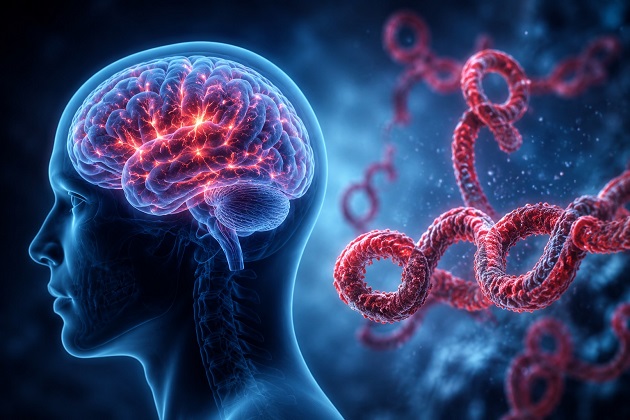 A seven-year study shows many Ebola survivors continue to suffer memory loss and other neurological
complications long after recovering from the infection
This
Medical News report highlights one of the most comprehensive long-term investigations into the neurological effects of Ebola virus disease. The findings indicate that while many survivors gradually improve over time, a significant number are left with lasting neurological damage that may reduce their quality of life and increase the long-term burden on healthcare systems.
One of the longest neurological follow-up studies
The research was conducted by scientists from the National Institutes of Health (Bethesda, Maryland, USA), the University of Minnesota, the DC Veterans Affairs Medical Center (Washington, DC, USA), the University of Pennsylvania, and the Johns Hopkins Medicine Wilmer Eye Institute (Maryland, USA). The study followed participants enrolled in the PREVAIL III Ebola Natural History Study in Liberia.
Researchers monitored 148 adults who survived Ebola virus disease and compared them with 81 Ebola antibody-negative close contacts between 2015 and 2023. Unlike many previous studies, participants underwent repeated examinations by trained neurologists, allowing investigators to carefully document changes in brain and nervous system function over more than seven years.
Ebola affects far more than the immune system
During the acute stage of infection, many patients experienced severe headaches, confusion, altered mental status and, in rare cases, stroke-like symptoms or meningoencephalitis, an inflammation involving the brain and surrounding tissues. These findings reinforce growing evidence that Ebola is capable of directly affecting the central nervous system.
Following recovery, neurological complications became even more apparent. About 66% of survivors reported persistent headaches, while more than half experienced cognitive dysfunction and fatigue. Memory problems affected over half of the participants, and nearly half reported symptoms of depression. Sleep disturbances, sexual dysfunction, tremors, sensory abnormalities and cranial nerve disorders were also frequently observed.
Neurological examinations revealed abnormalities involving eye movements, balance, coordination and sensation, suggesting that Ebola can affect multiple regions of the brain and nervous system rather than a s
ingle area.
Many symptoms persist for years
Although the overall neurological health of many participants improved during the seven-year follow-up period, complete recovery was not universal.
Among the 115 survivors who completed the final evaluation, 57% still reported memory loss. More than one-third continued to experience irritability, while almost 30% struggled with concentration. These symptoms occurred significantly more often than in the control group, indicating that they were strongly associated with previous Ebola infection rather than normal aging or unrelated medical conditions.
Researchers noted that these lingering problems can interfere with employment, education and family life, creating lasting social and economic consequences for survivors.
What may be causing the long-term damage?
Scientists believe several biological processes could explain these persistent neurological complications. Severe inflammation during acute infection may injure brain tissue, while disturbances in blood circulation and clotting may also contribute to neurological damage.
The researchers also discussed growing evidence that prolonged immune activation could play an important role. They found associations between stronger Ebola antibody responses and more severe neurological findings, suggesting that an overactive immune response may continue affecting the nervous system even after the virus has been eliminated.
The study also points to similarities with other post-viral conditions, including long COVID, where patients frequently report memory impairment, chronic fatigue and difficulty concentrating. However, Ebola survivors displayed additional neurological abnormalities that suggest unique patterns of nervous system injury.
Long-term monitoring is essential
The researchers emphasized that Ebola survivors should receive ongoing neurological and psychological care. Persistent headaches, depression, fatigue and cognitive impairment may respond to treatment if recognized early, while regular follow-up can also help detect the rare but serious possibility of delayed central nervous system complications.
The findings further suggest that previous studies may have underestimated the true neurological impact of Ebola because many outbreaks occurred in regions where specialist neurological evaluations and advanced diagnostic tools were unavailable.
Conclusion
This landmark study provides compelling evidence that Ebola virus disease can leave survivors with lasting neurological complications and brain damage that extend well beyond the initial infection. Although many patients gradually improve over time, a large proportion continue to experience memory loss, impaired concentration, headaches, fatigue and other neurological symptoms even after seven years. These findings underscore the importance of long-term neurological follow-up, rehabilitation and mental health support for Ebola survivors. They also highlight the urgent need for further research into the biological mechanisms responsible for these persistent complications, which could ultimately lead to better treatments and improved quality of life for those affected.
The study findings were published in the peer reviewed journal: JAMA Neurology.
https://jamanetwork.com/journals/jamaneurology/fullarticle/2850237
For the latest Ebola news, keep on logging to Thailand
Medical News.
Read Also:
https://www.thailandmedical.news/articles/ebola




 Share
Share
 Tweet
Tweet
 Share
Share