Nikhil Prasad Fact checked by:Thailand Medical News Team May 31, 2026 4 months, 3 days, 23 hours, 3 minutes ago
Medical News: For centuries, figs have been prized as a nutritious fruit packed with vitamins, fiber, and beneficial plant compounds. Now, new research suggests that special natural compounds extracted from figs may also have remarkable anti-aging properties. Scientists in China have discovered that polysaccharides extracted from fig fruits significantly extended lifespan and improved health markers in laboratory worms, while also helping protect them from cellular damage linked to aging.
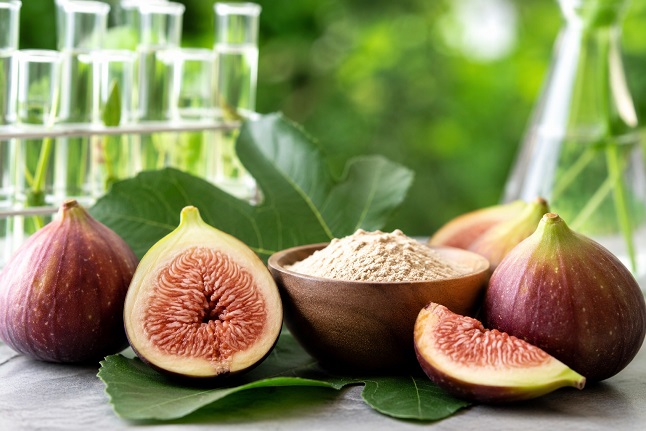 Scientists discover that natural polysaccharides extracted from figs can extend lifespan and strengthen cellular defenses
against aging-related damage.
The research was conducted by scientists from the School of Chemistry and Chemical Engineering, Harbin Institute of Technology, Harbin, China, and the Department of Bioengineering, Harbin Institute of Technology, Weihai, China.
Green Extraction Method Produces Potent Fig Compounds
The researchers focused on polysaccharides, which are complex natural carbohydrates found in many fruits and plants. Using an environmentally friendly extraction method involving deep eutectic solvents and ultrasound technology, they isolated highly purified polysaccharides from Ficus carica fruits, commonly known as figs.
The resulting extract, called FCPs, contained over 98 percent carbohydrate content and was rich in galacturonic acid and several naturally occurring sugars. The team then tested these compounds using Caenorhabditis elegans, a tiny worm widely used in aging research because many of its biological pathways resemble those found in humans.
Significant Lifespan Extension Without Sacrificing Health
One of the most striking findings was the ability of the fig-derived compounds to increase lifespan. Worms receiving optimal doses of the fig polysaccharides experienced lifespan increases of up to 16 percent compared to untreated worms.
Importantly, the longer life did not come at a biological cost. Many interventions that extend lifespan can reduce fertility or impair movement. However, the worms treated with the fig compounds remained physically active, showed improved locomotion, maintained normal body size, and produced normal numbers of offspring.
This suggests the compounds improved both lifespan and overall healthspan, a key goal in anti-aging research.
Reduced Cellular Damage Associated with Aging
As organisms age, damaged cellular material accumulates within tissues. One hallmark of aging is the buildup of lipofuscin, sometimes referred to as "age pigment."
The researchers found that worms treated with fig polysaccharides accumulated significantly less lipofuscin. Levels fell by more than 22 percent in treated worms, indicating slower biological aging at the cellular level.
The reduction in this aging marker provided further evidence that the fig compounds were not merely keeping the worms alive longer but were actually slowing important aging-related processes.
Powerful Protection Against Oxidative Stress
/>
Oxidative stress is considered one of the major drivers of aging. It occurs when harmful molecules known as reactive oxygen species (ROS) build up faster than the body's protective systems can neutralize them.
The study found that fig polysaccharides significantly lowered ROS levels in the worms. In addition, when the animals were exposed to a chemical called juglone that triggers oxidative stress, treated worms survived considerably better than untreated animals.
The fig compounds also boosted the activity of several antioxidant defense genes, including genes responsible for producing superoxide dismutases, catalases, and glutathione-related protective enzymes. These genes help cells neutralize damaging free radicals and maintain healthy cellular function.
This
Medical News report highlights how natural plant compounds may activate the body's own defense systems rather than simply acting as direct antioxidants.
Key Longevity Pathway Identified
Perhaps the most important discovery involved a gene known as SKN-1, which functions similarly to the human Nrf2 pathway. Nrf2 is widely recognized as one of the body's master regulators of antioxidant defenses and cellular protection. The researchers observed that fig polysaccharides increased SKN-1 activity. When SKN-1 was experimentally disabled, the lifespan-extending and antioxidant benefits disappeared almost completely.
The team also found evidence that the compounds influenced the insulin/IGF-1 signaling pathway, another major regulator of aging that has been extensively studied in both animals and humans. Several important genes within this pathway showed reduced activity after treatment, suggesting a complex network of longevity-promoting effects.
What the Findings Could Mean
While the results are exciting, the researchers caution that the study was conducted in microscopic worms rather than humans. Nevertheless, many of the biological mechanisms involved are highly conserved across species, making the findings especially intriguing.
The study suggests that naturally occurring fig polysaccharides may help support healthy aging by strengthening antioxidant defenses, reducing cellular damage, and activating important longevity pathways. Future research will need to determine whether similar benefits occur in mammals and eventually in humans.
The findings also highlight the growing scientific interest in food-derived compounds that may promote healthy aging without compromising normal physiological functions. If future studies confirm these effects in higher animals, figs and their bioactive polysaccharides could become an important focus of longevity and nutritional research.
Conclusion
The new research provides compelling evidence that polysaccharides extracted from figs can significantly extend lifespan and improve health-related measures in a well-established aging model. The compounds reduced oxidative stress, lowered accumulation of age-related cellular waste, enhanced natural antioxidant defenses, and activated the crucial SKN-1 longevity pathway while influencing insulin-related aging signals. Although human applications remain speculative at this stage, the findings add to a growing body of evidence suggesting that natural plant-derived compounds may hold substantial promise for promoting healthy aging. Further animal and clinical studies will be essential to determine whether these impressive benefits can eventually translate into practical strategies for extending human healthspan and reducing age-related decline.
The study findings were published in the peer reviewed journal: Antioxidants.
https://www.mdpi.com/2076-3921/15/6/691
For the latest on anti-aging, keep on logging to Thailand
Medical News.
Read Also:
https://www.thailandmedical.news/articles/anti-aging
https://www.thailandmedical.news/articles/herbs-and-phytochemicals




 Share
Share
 Tweet
Tweet
 Share
Share

































