Nikhil Prasad Fact checked by:Thailand Medical News Team Dec 31, 2025 9 months, 4 days, 36 minutes ago
Medical News: COVID-19 and an Unexpected Threat to the Nerves
Doctors are now warning that COVID-19 can affect far more than just the lungs after a rare and alarming medical case revealed that the virus can directly damage nerves in the head and face. This
Medical News report highlights how COVID-19 may quietly attack the nervous system even in patients who show no classic respiratory symptoms such as cough fever or shortness of breath.
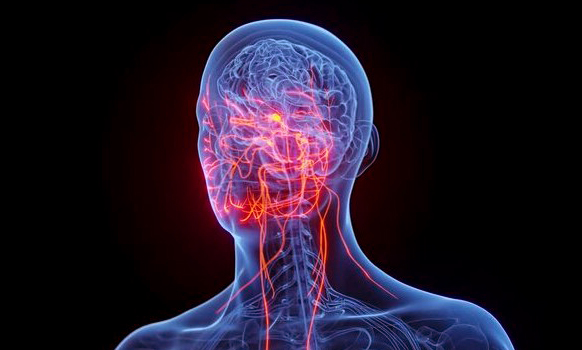 COVID-19 shown to directly damage eye and facial nerves even without lung symptoms.
The case was documented by researchers from the Department of Neurology at Firoozgar Hospital and the National Brain Centre both under the Iran University of Medical Sciences in Tehran Iran. Their findings raise serious awareness about hidden neurological dangers linked to coronavirus infections.
A Patient with No Cough but Serious Nerve Problems
The patient was a 53-year-old woman who went to the emergency department with a severe headache drooping of her right eyelid double vision and numbness on the right side of her face. Despite these alarming symptoms she had no fever no breathing difficulty and no signs of flu or chest infection.
Her medical history included poorly controlled diabetes which initially led doctors to suspect conditions such as stroke fungal sinus infections blood clots or brain tumors. Extensive brain scans and laboratory tests however showed no evidence of these serious disorders.
COVID-19 Found Inside the Nervous System
Although her chest imaging was completely normal a nasal swab test came back positive for SARS-CoV-2. To investigate the neurological symptoms further doctors performed a lumbar puncture to examine her cerebrospinal fluid.
The results were surprising. The coronavirus was detected not only in her nasal passages but also in the fluid surrounding her brain and spinal cord. This strongly suggested that the virus had directly invaded her cranial nerves which control eye movement and facial sensation.
Treatment Leads to Improvement
The patient was treated with the antiviral drug remdesivir and the steroid dexamethasone according to hospital COVID-19 treatment guidelines. Her blood sugar levels were closely managed with insulin therapy during her hospital stay. Within days her drooping eyelid improved her double vision reduced and the facial numbness eased. Follow up visits showed continued recovery suggesting that early detection and treatment may help limit nerve damage.
Why This Case is so Important
Most nerve complications linked to COVID-19 have been reported after respiratory symptoms and are often thought to be caused by an abnormal immune response. What makes this case unique is that the nerve damage occurred during the active infection phase and without any lung involvement at all.
The researchers believe the virus may have directly attacked the cranial nerves possibly worsened by existing small blood vessel
damage from diabetes. This challenges earlier assumptions that neurological problems appear only later or only in severe COVID-19 cases.
A Wake-Up Call for Doctors and the Public
Doctors emphasize that COVID-19 should be considered when patients suddenly develop unexplained eye movement problems facial numbness or drooping eyelids even if they feel otherwise well. Prompt testing and treatment could prevent long term complications.
Conclusion
This case provides strong evidence that COVID-19 can directly invade cranial nerves and cause serious neurological symptoms without respiratory illness. It underscores the need for heightened awareness among healthcare providers and the public that sudden nerve related symptoms may be linked to COVID-19 and should be evaluated urgently to avoid lasting damage.
The study findings were published in the peer reviewed Journal of Medical Case Reports.
https://link.springer.com/article/10.1186/s13256-025-05710-4
For the latest COVID-19 news, keep on logging to Thailand
Medical News.
Read Also:
https://www.thailandmedical.news/articles/coronavirus
https://www.thailandmedical.news/articles/long-covid




 Share
Share
 Tweet
Tweet
 Share
Share

































