Nikhil Prasad Fact checked by:Thailand Medical News Team May 26, 2026 3 months, 1 week, 19 hours, 57 minutes ago
Medical News: A natural plant compound called Astilbin may offer new hope in protecting the brain from the devastating effects of ischemic stroke, according to a new study by researchers from Changchun Normal University and Jilin University in China. Scientists discovered that Astilbin helped reduce brain cell damage, inflammation, oxidative stress, and a dangerous form of cell death linked to stroke.
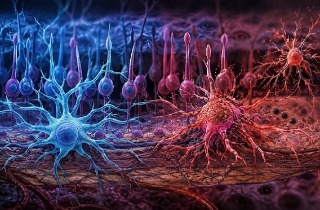
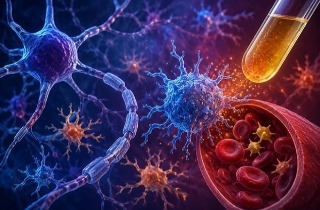
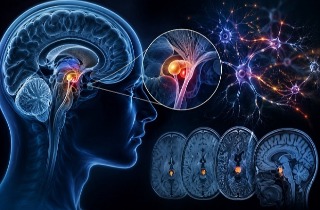
 Scientists discover that the plant compound Astilbin may protect brain cells from severe stroke-related injury
and inflammation
The research team included scientists from the College of Life Science, The Central Laboratory, and the School of Geographical Sciences at Changchun Normal University in Changchun, China, along with researchers from the College of Animal Science at Jilin University.
Why Ischemic Stroke Is So Dangerous
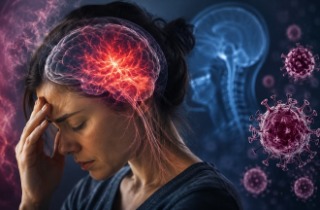
Ischemic stroke occurs when blood flow to the brain is suddenly blocked, depriving brain cells of oxygen and nutrients. This can quickly lead to irreversible brain damage, disability, memory problems, paralysis, or death. Current treatments mainly focus on restoring blood flow, but these therapies only work within a very short time window after the stroke begins. Many patients arrive at hospitals too late to benefit from these treatments.
Because of these limitations, scientists around the world are searching for safer therapies that can protect brain cells even after damage has started.
Astilbin Emerges as a Powerful Brain Protector
Astilbin is a flavonoid compound found in several traditional medicinal plants including Smilax glabra and Hydrangea paniculata. Earlier studies had already shown that Astilbin possesses anti-inflammatory and antioxidant properties, but its exact role in stroke protection remained unclear.
In the new study, researchers used advanced techniques including network pharmacology, transcriptomics, metabolomics, molecular docking, and laboratory experiments on nerve-like PC12 cells exposed to oxygen and glucose deprivation, a condition designed to mimic stroke injury in the brain.
The findings revealed that Astilbin acts on multiple biological pathways at the same time rather than targeting a single mechanism.
Blocking Oxidative Stress and Cell Death
One of the most important discoveries was Astilbin’s ability to reduce oxidative stress. During a stroke, harmful molecules known as reactive oxygen species rapidly build up inside cells, damaging proteins, DNA, and cell membranes.
Researchers found that Astilbin dramatically reduced reactive oxygen species levels, calcium overload, and leakage of LDH, a marker of cell injury. The compound also improved survival rates of damaged nerve cells.
The study also showed that Astilbin helped stop ferroptosis, a newly recognized type of iron-dependent cell death strongly linked to stroke and neurodegenerative diseases. The compound reduced harmful iron accumulation and lipid peroxidation, which occurs when fats in cell membranes become damaged by oxidation.
Scientists observed that Astilbin
regulated several critical proteins connected to ferroptosis, including SLC7A11, ACSL4, and GPX4. By stabilizing these pathways, the compound appeared to preserve the cells’ antioxidant defenses and prevent catastrophic damage.
Key Brain Survival Pathways Activated
Another major finding involved the MAPK signaling pathway, especially the ERK1/2-CREB-p90RSK pathway. These signaling systems are known to help neurons survive stress and recover after injury.
The researchers discovered that Astilbin strongly interacted with ERK1 and ERK2 proteins, showing high binding affinity in molecular docking studies. Additional simulations demonstrated stable and long-lasting interactions between Astilbin and important stroke-related proteins such as MMP9.
This
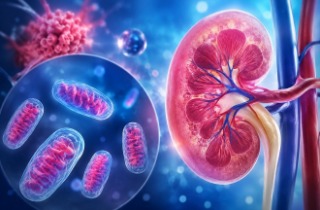
Medical News report highlights that Astilbin appears to work through a complex multi-target strategy, simultaneously lowering inflammation, improving metabolism, protecting mitochondria, reducing oxidative injury, and limiting neuronal death.
Laboratory Tests Show Significant Recovery
Under the microscope, untreated stroke-damaged cells appeared shrunken and severely injured. However, cells treated with Astilbin regained healthier shapes and stronger connections. Higher doses produced even greater protection.
The compound also sharply reduced apoptosis, or programmed cell death. In some experiments, Astilbin’s protective effects were comparable to Edaravone, an established stroke medication used clinically in several countries.
Researchers further confirmed the results using gene expression studies and protein analysis, which consistently showed that Astilbin restored protective signaling pathways while suppressing damaging inflammatory and ferroptosis-related pathways.
Conclusions
The study provides strong evidence that Astilbin could become a promising future therapy for ischemic stroke. Instead of targeting just one biological process, the compound appears to protect brain cells through multiple coordinated mechanisms involving oxidative stress reduction, inflammation control, metabolic recovery, mitochondrial protection, and ferroptosis suppression. The findings are especially important because stroke damage is highly complex and usually cannot be controlled through single-target drugs alone. Although more animal and human clinical studies are still needed, Astilbin may eventually help widen treatment options for stroke patients and improve recovery outcomes after brain injury.
The study findings were published in the peer reviewed International Journal of Molecular Sciences.
https://www.mdpi.com/1422-0067/27/11/4749
For the latest research of stroke, keep on logging to Thailand
Medical News.
Read Also:
https://www.thailandmedical.news/articles/herbs-and-phytochemicals




 Share
Share
 Tweet
Tweet
 Share
Share