Scientists Discover in China a Highly Unusual Virus in Pigs That is Closely Linked to Human Viral Lineages
Nikhil Prasad Fact checked by:Thailand Medical News Team Dec 12, 2025 9 months, 3 weeks, 1 day, 13 hours, 36 minutes ago
Medical News: New Pig Virus Closely Linked to Human Viral Lineages Found
Researchers in China have identified a previously unknown virus in pigs that has genetic features closely related to viruses already detected in humans and primates. The discovery is raising fresh questions about how viruses can jump between animals and people. The virus belongs to a group known as circoviruses, which are extremely small DNA viruses known to infect many species. This
Medical News report highlights why the findings are drawing attention beyond veterinary science.
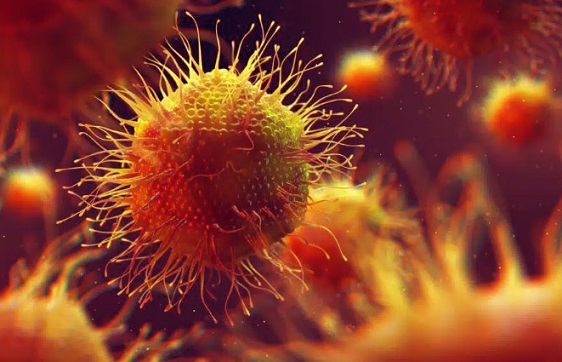 A newly identified pig virus shows genetic ties to human viruses, raising fresh questions about cross-species transmission
The study was carried out by scientists from the Department of Laboratory Medicine at the School of Medicine of Jiangsu University in Zhenjiang, the Intensive Care Unit of Jintan District Hospital of Traditional Chinese Medicine in Changzhou, and the Department of Laboratory Medicine at The Affiliated People’s Hospital of Jiangsu University.
What Makes This Virus Different
The newly discovered virus, named PCV-CH-ZJ01, was found in throat swabs and fecal samples from pigs with fever in Jiangsu Province. What surprised scientists most was its unusual genetic structure. Unlike typical circoviruses, this virus contains four major genetic sections instead of the usual two. These sections control how the virus copies itself and how it forms its outer shell.
Some parts of the virus showed almost no similarity to any known virus, while other parts were strikingly similar to circoviruses previously detected in humans and rhesus macaques. This unusual mix suggests the virus may have evolved through complex genetic changes over time.
Widespread Presence in Healthy Pigs
When researchers tested healthy pig populations, they found the virus in more than 80 percent of fecal samples. This high detection rate suggests the virus spreads easily among pigs but may not cause severe illness in most cases.
However, its silent spread makes it harder to track and control.
Importantly, genetic analysis showed that key proteins of the virus closely resemble those found in primate-linked circoviruses. Scientists believe this could be a warning sign of possible cross-species transmission, even if no human infections have yet been confirmed.
Why This Discovery Matters
Circoviruses are known for their ability to adapt and infect new hosts. The genetic links between this pig virus and human-related viruses suggest that animal viruses may already be closer to humans than previously thought. Researchers stress that more studies are needed to understand whether this virus poses any real risk to people.
Although the virus does not currently appear to cause major disease in pigs, its unique genetic makeup and close relationship to human viral lineages make it important for future monitoring. Ongoing research will focus on whether the vir
us can infect other species and how it behaves inside the body.
This research adds to growing evidence that animal viruses deserve close surveillance, even when they seem harmless at first. Early detection and understanding are key to preventing future outbreaks that could affect both animals and humans.
The study findings were published in the peer reviewed journal: Frontiers in Cellular and Infection Microbiology
https://www.frontiersin.org/journals/cellular-and-infection-microbiology/articles/10.3389/fcimb.2025.1698076/full
For the latest news on viruses, keep on logging to Thailand
Medical News.
Read Also:
https://www.thailandmedical.news/articles/coronavirus




 Share
Share
 Tweet
Tweet
 Share
Share

































