Nikhil Prasad Fact checked by:Thailand Medical News Team Dec 06, 2025 8 months, 2 days, 2 hours, 23 minutes ago
Medical News: Chitosan Shows Promise in Protecting Nerves from Diabetes Damage
A team of researchers from the University of Medicine and Pharmacy of Craiova in Romania has discovered that chitosan, a natural substance often used in dietary supplements, may help protect nerve cells from the damage caused by diabetes. In a new animal study, scientists found that chitosan improved nerve function and structure in diabetic mice, even though their blood sugar levels remained high. This
Medical News report highlights a potential breakthrough for millions suffering from diabetic peripheral neuropathy (DPN), a common complication of diabetes that causes pain, numbness, and movement problems.
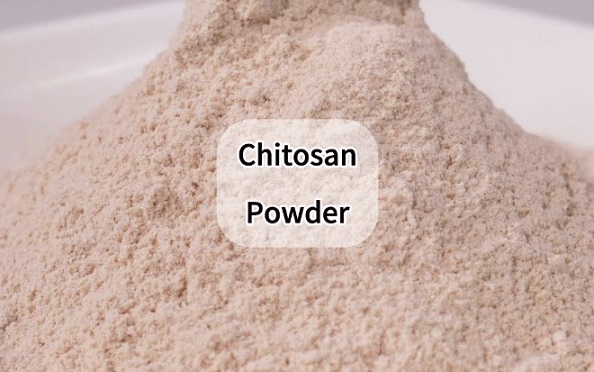 Chitosan Found to Shield Nerves from Diabetes Related Damage
Credit Image: Humico
Understanding the Problem of Diabetic Neuropathy
Diabetic neuropathy affects more than half of all people living with diabetes, especially those who have had the condition for over 10 years. It causes pain, loss of feeling in the limbs, muscle weakness, and can even lead to dangerous foot ulcers and amputations. The nerve damage is mainly caused by high blood sugar, poor blood flow, and inflammation in the body. Current treatments mostly focus on pain relief, but there are no approved therapies that stop or reverse the actual nerve damage.
The Role of Chitosan in the Study
In the study, researchers divided diabetic mice into three groups—healthy, untreated diabetics, and diabetics treated with chitosan for 12 weeks. Chitosan did not lower blood sugar levels, but it did improve other important health markers. LDL cholesterol and triglycerides were significantly reduced, and the structure of nerve fibers in the skin was better preserved.
Behavioral tests showed that mice treated with chitosan moved more, showed fewer signs of pain, and were less anxious. Electrophysiological tests also revealed that treated mice had stronger nerve signals, with better amplitude and faster conduction—both signs of healthier nerves. Under the microscope, their skin tissue showed more intact sensory nerve fibers than in untreated diabetic mice.
Why This Matters for Future Treatments
The findings suggest that chitosan protects nerves not by reducing sugar levels, but by fighting inflammation and oxidative stress—two major causes of nerve damage in diabetes. This is a significant discovery because it means chitosan could be used alongside other treatments to preserve nerve function.
While the study was conducted in mice and more research is needed in humans, the results point to chitosan as a promising supplement or drug ingredient that could help millions living with diabetic nerve pain.
Conclusion
This research provides strong evidence that chitosan may offer a new way to manage diabetic peripheral neuropathy by directly protecting nerves. Even without lowering blood sugar, it helped reduce pain, improve nerve function, and restore mobility. Future stu
dies will determine how best to use chitosan in humans, but this early work is a major step toward new treatments for diabetic nerve damage.
The study findings were published in the peer reviewed journal: Life.
https://www.mdpi.com/2075-1729/15/12/1860
For the latest on diabetic peripheral neuropathy, keep on logging to Thailand
Medical News.
Read Also:
https://www.thailandmedical.news/articles/diabetes




 Share
Share
 Tweet
Tweet
 Share
Share