Nikhil Prasad Fact checked by:Thailand Medical News Team Jan 25, 2026 6 months, 1 week, 2 days, 21 hours, 9 minutes ago
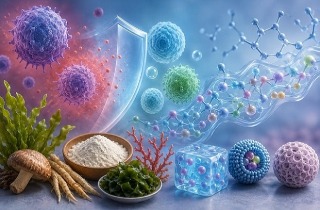
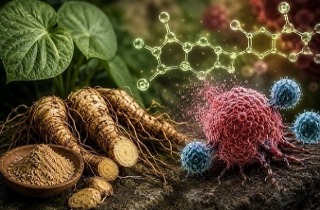
Medical News: Researchers from Japan have uncovered promising antiviral properties in several naturally occurring phytochemicals that could one day help fight two major viral infections affecting millions worldwide. The study, conducted by scientists from the Graduate School of Medicine and Pharmaceutical Sciences at the University of Toyama, Toyama, Japan, and the College of Life and Health Sciences at Chubu University, Aichi, Japan, focused on flavonoids, a large group of plant-based substances commonly found in fruits, vegetables, and herbs.
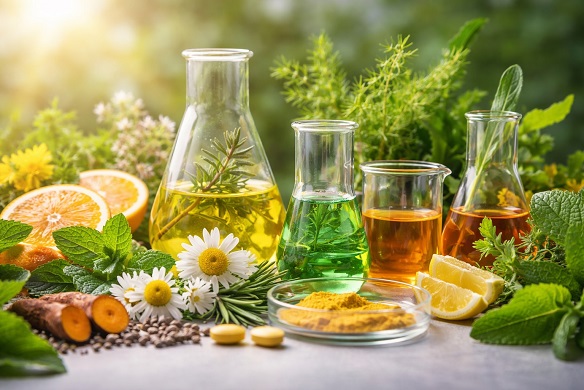 Scientists discover plant-based compounds that could help block herpes and influenza viruses
Why New Antiviral Options Are Needed
Scientists discover plant-based compounds that could help block herpes and influenza viruses
Why New Antiviral Options Are Needed
Herpes simplex virus type 2, better known as HSV 2, is one of the most widespread sexually transmitted infections globally and often causes painful, recurring genital sores. Influenza A virus, on the other hand, is responsible for yearly flu outbreaks and occasional pandemics that can lead to severe illness and death. While vaccines and existing antiviral drugs help reduce risks, drug resistance and limited treatment options mean new solutions are urgently needed. This
Medical News report highlights how nature may offer unexpected answers.
How The Study Was Conducted
The researchers screened a total of 103 different flavonoids collected from plants or produced synthetically. These compounds were tested in laboratory-grown cells infected with HSV 2 or Influenza A virus. The goal was simple but important: identify which compounds could stop the viruses from multiplying without causing excessive harm to healthy cells.
Key Findings from The Screening
Out of the 103 flavonoids tested, only a small number showed strong antiviral effects. Two compounds, cirsilineol and apigenin, were found to be particularly effective against HSV 2. These substances significantly reduced viral activity at very low concentrations while remaining relatively safe for the host cells.
When it came to Influenza A virus, two different flavonoids stood out. Cirsimaritin and hymenoxin demonstrated notable ability to block viral replication.
Cirsimaritin was especially impressive, showing a high selectivity index, meaning it targeted the virus far more than it harmed healthy cells. Hymenoxin’s antiviral effect against influenza was reported for the first time in this study, making it a particularly important discovery.
What Makes These Compounds Special
All four effective compounds belonged to a subgroup of flavonoids known as flavones. Interestingly, flavonoids that contained sugar components did not show antiviral activity. The researchers also observed that certain chemical features, such as methyl groups attached to the flavonoid structure, appeared to enhance activity against the influenza virus.
What This Means for Future Treatments
These findings suggest that specific plant-derived flavonoids could serve as starting points
for developing new antiviral drugs with different mechanisms than those currently available. However, the researchers stress that further studies are needed to understand exactly how these compounds work inside the body and whether they are safe and effective in humans.
Conclusion
The study provides strong early evidence that selected flavonoids, including cirsilineol, apigenin, cirsimaritin, and hymenoxin, have meaningful antiviral potential against HSV 2 and Influenza A virus. While these results are still limited to laboratory experiments, they open the door to future drug development efforts that could lead to safer, more effective treatments derived from natural sources, especially at a time when viral resistance remains a growing global concern.
The study findings were published in the peer reviewed journal: Compounds.
https://www.mdpi.com/2673-6918/6/1/9
For the latest on phytochemical-based antivirals, keep on logging to Thailand
Medical News.
Read Also:
https://www.thailandmedical.news/articles/influenza-or-flu
https://www.thailandmedical.news/articles/herbs-and-phytochemicals




 Share
Share
 Tweet
Tweet
 Share
Share