COVID-19 May Leave Lasting Damage to Insulin-Producing Pancreatic Cells and Thyroid
Nikhil Prasad Fact checked by:Thailand Medical News Team Jun 24, 2026 1 month, 2 weeks, 1 day, 20 hours, 38 minutes ago
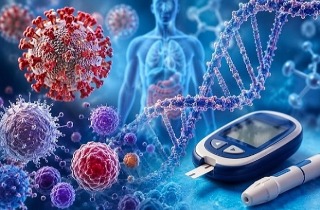
Medical News: Researchers from the Clinic of Endocrinology at University Hospital Georgi Stranski–Pleven, the Department of Cardiology, Pulmonology and Endocrinology at Medical University–Pleven, the Department of Anatomy, Histology, Cytology and Biology at Medical University–Pleven, and the Department of Clinical Immunology, Allergology and Clinical Laboratory at Medical University–Pleven, all in Bulgaria, have uncovered new evidence suggesting that COVID-19 may trigger long-lasting metabolic changes involving both insulin-producing pancreatic cells and thyroid hormone regulation.
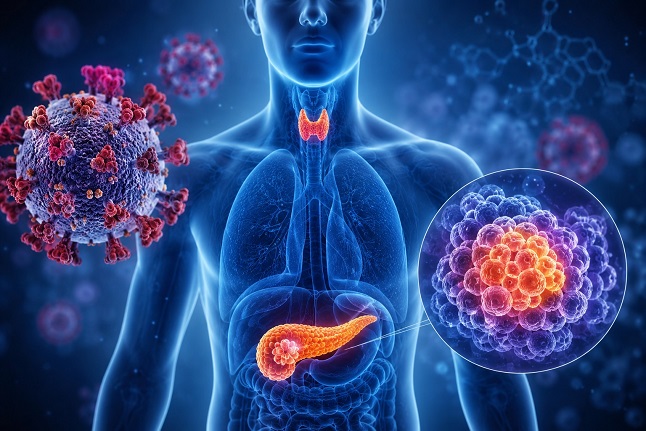 New research shows that COVID-19 may leave long-term effects on insulin-producing cells and thyroid hormone activity,
raising concerns about future metabolic health
Post-COVID Patients Show Signs of Ongoing Metabolic Trouble
Since the start of the pandemic, doctors have observed that many people continue to experience health issues long after recovering from COVID-19.
Among the most concerning are problems involving blood sugar control and the development of diabetes-like conditions.
In this new study, researchers examined 100 adults divided into three groups: patients with active COVID-19 infection, individuals who developed metabolic abnormalities months after recovering from COVID-19, and a comparison group with metabolic syndrome who had never been infected with the virus.
The scientists focused on pancreatic beta cells, which produce insulin and help keep blood sugar levels under control. When these cells fail to respond adequately, the risk of diabetes and other metabolic disorders increases.
Beta Cells Remain Impaired Months After Infection
One of the study’s most important findings was that beta-cell function was severely reduced during active COVID-19 infection. Although some recovery occurred after infection, post-COVID patients still showed significantly poorer beta-cell performance compared to individuals with traditional metabolic syndrome.
Researchers found that nearly 84 percent of patients with active COVID-19 showed evidence of beta-cell dysfunction.
Even months after recovery, almost 60 percent of post-COVID patients continued to display impaired beta-cell compensation, compared to only 24 percent in the metabolic syndrome group.
These findings suggest that SARS-CoV-2 infection may leave a lingering impact on the body's ability to regulate blood sugar effectively.
Thyroid Hormones Also Affected
The study also revealed important changes involving thyroid hormones. Patients with active COVID-19 had markedly lower levels of free triiodothyronine (FT3), one of the body's most active thyroid hormones.
Interestingly, post-COVID patients displayed thyroid hormone patterns that appeared to sit between those seen in active infection and those found in individuals with metabolic syndrome.
The researchers discovered that higher FT3 levels were linked to better beta-cell performance in post-COVID patients.
This
Medical News report highlights an important observation: thyroid hormone activity may be closely connected to the pancreas' ability to compensate for insulin resistance after COVID-19.
The researchers also measured the FT3/FT4 ratio, a marker reflecting how efficiently thyroid hormones are converted into their active form. Lower ratios were strongly associated with poorer metabolic function.
Is COVID-19 Creating a Unique Metabolic Condition?
The findings support a growing theory that post-COVID metabolic problems may represent a distinct biological condition rather than simply a variation of metabolic syndrome.
Many post-COVID participants developed newly diagnosed diabetes, prediabetes, or insulin resistance despite having normal blood sugar levels before infection. Some even developed autoimmune forms of diabetes.
At the same time, the study found that the apparent increase in thyroid disorders among post-COVID patients was largely explained by pre-existing thyroid disease and temporary illness-related hormone changes rather than widespread direct thyroid damage caused by the virus.
Conclusions
The study provides compelling evidence that COVID-19 can have lasting effects on both pancreatic beta cells and thyroid hormone regulation long after the initial infection has passed. While some recovery occurs over time, many individuals continue to show metabolic abnormalities months later. The findings suggest that post-COVID syndrome may involve a unique immunometabolic state where persistent disturbances in hormone signaling, insulin production, and energy regulation interact. Researchers believe these insights could help identify people at higher risk for future diabetes and metabolic disease following COVID-19 and may guide the development of more targeted monitoring and treatment strategies.
The study findings were published in the peer reviewed journal: Biomedicines.
https://www.mdpi.com/2227-9059/14/7/1420
For the latest COVID-19 News, keep on logging to Thailand
Medical News
Read Also:
https://www.thailandmedical.news/articles/coronavirus
https://www.thailandmedical.news/articles/long-covid




 Share
Share
 Tweet
Tweet
 Share
Share