Nikhil Prasad Fact checked by:Thailand Medical News Team May 28, 2026 3 months, 5 days, 5 hours, 42 minutes ago
Medical News: Scientists in Italy have uncovered promising new evidence that tiny particles released by stem cells may help protect brain cells from the destructive processes linked to Alzheimer’s disease and vascular dementia. The new research showed that extracellular vesicles derived from amniotic fluid stem cells were able to reduce inflammation, lower toxic oxidative stress, and repair damage inside neurons, especially within the mitochondria that power brain cells.
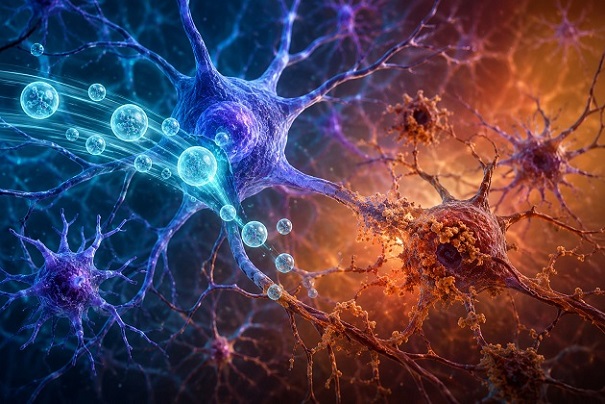 Tiny stem cell-derived vesicles showed the ability to protect neurons and repair mitochondrial damage linked to dementia
The study was conducted by researchers from the Department of Biomedical, Metabolic and Neural Sciences at the University of Modena and Reggio Emilia, the Cellular Signalling Laboratory at the University of Bologna, and the Department of Medical and Surgical Sciences for Mothers, Children and Adults at the University of Modena and Reggio Emilia in Italy.
A New Way to Study Mixed Dementia
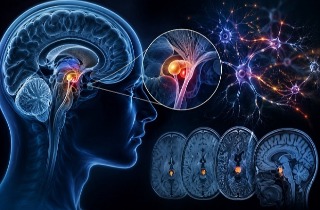
Mixed dementia is one of the most common forms of cognitive decline in older adults. It combines features of Alzheimer’s disease with vascular dementia, a condition caused by poor blood flow and damage to blood vessels in the brain. Patients with mixed dementia often experience more rapid mental decline and more severe symptoms.
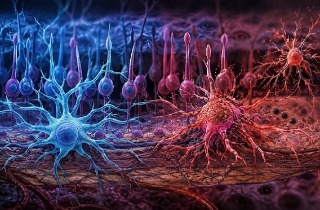
To better understand how the disease develops, researchers created a sophisticated laboratory model containing neurons, astrocytes, and microglia, the three major types of brain cells involved in inflammation and nerve protection.
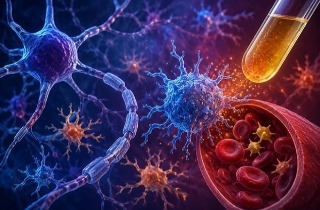
The scientists exposed these cells to lipopolysaccharide (LPS), a bacterial toxin known to trigger inflammation, and hydrogen peroxide, a molecule that creates intense oxidative stress similar to what occurs during strokes and blood vessel injury.
The experiment quickly produced major damage inside the brain cells. Neurons developed signs linked to Alzheimer’s disease, including increased amyloid-beta buildup. The damaged neurons also showed shortened and thinner neurites, the branch-like extensions used for communication between brain cells. DNA injury and cell death increased dramatically.
Researchers also observed that microglia became highly inflammatory, releasing dangerous molecules such as IL-6 and TNF-alpha. Astrocytes became abnormally activated as well, worsening the toxic environment surrounding neurons.
Tiny Stem Cell Particles Produced Powerful Protection
The most remarkable findings came after the team introduced extracellular vesicles obtained from amniotic fluid stem cells. These microscopic vesicles are naturally released by stem cells and carry protective cargo including proteins, antioxidants, and genetic material.
The vesicles were successfully absorbed by neurons, astrocytes, and microglia. Once inside the cells, they produced dramatic protective effects. Oxidative stress levels fell sharply across all three brain cell types. Inflammatory markers were reduced, while anti-inflammatory signals increased.
This
t-size:16px">Medical News report highlights that the vesicles also reduced amyloid-beta accumulation, prevented DNA damage, and improved the overall survival of neurons. Researchers found that neuronal death dropped significantly after treatment with the stem cell-derived vesicles.
The study further revealed that the vesicles appeared to shut down a major source of harmful oxidative stress known as NOX2. This enzyme system is strongly associated with neurodegeneration and blood vessel damage in the brain. By suppressing NOX2 activity, the vesicles reduced the production of dangerous reactive oxygen species before extensive injury could occur.
Mitochondria Were Protected from Collapse
One of the most important discoveries involved mitochondria, often described as the “power plants” of cells. Mitochondrial dysfunction is considered a major driver of Alzheimer’s disease and other neurodegenerative disorders.
The researchers found that exposure to inflammation and oxidative stress caused mitochondria inside neurons to become fragmented and damaged. The mitochondria lost their normal interconnected structure, produced excessive toxic superoxide molecules, and showed signs of severe dysfunction.
However, treatment with the stem cell vesicles largely reversed this damage. Mitochondria regained healthier shapes and stronger connectivity, while oxidative stress inside the mitochondria was greatly reduced. The treated neurons also maintained healthier neurite structures, suggesting that communication pathways between brain cells were preserved.
Hope for Future Dementia Treatments
The researchers believe the protective effects may come from antioxidant enzymes and specialized microRNAs carried inside the vesicles. These biological molecules may work together to calm inflammation, neutralize toxic oxidants, and activate the brain’s own repair systems.
The findings suggest that stem cell-derived extracellular vesicles could eventually become a safer alternative to direct stem cell therapy. Because vesicles are cell-free, they may avoid many of the safety concerns associated with stem cell transplantation while still delivering therapeutic benefits.
Although the research was performed in laboratory-grown cells rather than human patients, the results provide strong evidence that targeting oxidative stress and mitochondrial injury could become an important strategy for slowing dementia progression. The study also reinforces growing evidence that Alzheimer’s disease and vascular dementia may share common biological mechanisms driven by inflammation and oxidative damage. The researchers emphasized that additional studies, including animal and human clinical research, will still be needed before such therapies can reach hospitals or clinics.
The study findings were published in the peer reviewed International Journal of Molecular Sciences.
https://www.mdpi.com/1422-0067/27/11/4834
For the latest on Dementia, keep on logging to Thailand
Medical News.
Read Also:
https://www.thailandmedical.news/articles/stem-cell-therapies
https://www.thailandmedical.news/articles/alzheimer,-dementia-




 Share
Share
 Tweet
Tweet
 Share
Share