Nikhil Prasad Fact checked by:Thailand Medical News Team Jan 30, 2026 8 months, 4 days, 23 hours, 46 minutes ago
Medical News: A growing body of research is pointing to everyday foods as powerful allies in the fight against chronic diseases, and a new scientific study has now placed the humble shiitake mushroom firmly in the spotlight. Researchers from China have uncovered detailed molecular evidence showing how compounds found in shiitake mushrooms may work together to help combat type two diabetes.
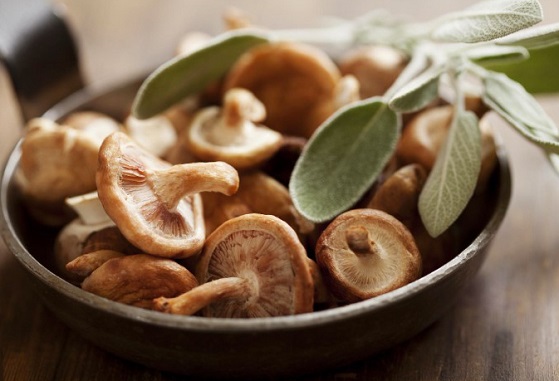 Natural compounds in shiitake mushrooms may work together to improve blood sugar control and reduce
diabetes related inflammation.
A Common Mushroom with Uncommon Potential
Type two diabetes mellitus affects hundreds of millions of people worldwide and is linked to serious complications such as heart disease, nerve damage, and liver problems. While medications like metformin are widely used, they often come with side effects that make long-term treatment difficult. This has led scientists to explore safer dietary options.
Shiitake mushrooms, scientifically known as Lentinula edodes, are widely consumed across Asia and increasingly around the world. They are already known for immune boosting and anti-inflammatory properties. In this
Medical News report, scientists examined whether the mushroom’s natural peptides and polysaccharides could work together to improve blood sugar control.
Who Conducted the Study
The research was carried out by scientists from the School of Life Sciences at Ludong University, the Institute of Food and Drug Research for One Health at Ludong University, and the School of Food Engineering at Ludong University, all based in Yantai, China.
How the Study Was Done
Instead of testing directly on patients, the researchers used advanced computer-based methods known as network pharmacology and molecular docking. These tools allow scientists to predict how natural compounds interact with proteins inside the human body.
The team identified 25 peptides and 14 polysaccharides naturally present in shiitake mushrooms. They then matched these compounds against thousands of proteins involved in type two diabetes and found 541 shared targets. From these, nine key proteins stood out as especially important for blood sugar regulation and inflammation.
Key Pathways That Control Blood Sugar
The analysis revealed that shiitake compounds strongly influence the PI3K-Akt signaling pathway, which plays a central role in how insulin helps cells absorb glucose from the blood. When this pathway does not work properly, blood sugar levels rise.
Another important pathway affected was the AGE-RAGE signaling pathway, which is linked to inflammation and diabetes related complications. By acting on both pathways at the same time, shiitake peptides and polysaccharides appear to offer a synergistic effect, meaning their combined impact is stronger than either working alone.
Strong Molecular Interactions Found
Using molecular docking simulations, the
researchers showed that several shiitake peptides and polysaccharides bind tightly to key diabetes related proteins such as EGFR, PIK3CA, and PIK3R1. Strong binding suggests these compounds could meaningfully influence how these proteins behave, potentially improving insulin sensitivity and reducing harmful inflammation.
What This Means Going Forward
The findings suggest that shiitake mushrooms may one day be used to develop functional foods or natural supplements aimed at supporting diabetes management. However, the researchers caution that laboratory and clinical studies are still needed to confirm these effects in humans.
Conclusion
This study provides compelling evidence that shiitake mushroom peptides and polysaccharides may work together to target multiple biological pathways involved in type two diabetes. By improving insulin signaling and reducing inflammation at a molecular level, these natural compounds could form the basis of safer dietary strategies or future treatments. While not a replacement for medication, shiitake-based interventions may eventually become a valuable addition to diabetes prevention and long term management.
The study findings were published in the peer reviewed journal: Foods.
https://www.mdpi.com/2304-8158/15/3/453
For the latest diabetes research, keep on logging to Thailand
Medical News.
Read Also:
https://www.thailandmedical.news/articles/diabetes
https://www.thailandmedical.news/articles/herbs-and-phytochemicals




 Share
Share
 Tweet
Tweet
 Share
Share

































