Scientists Discover Tropical Tree Leaf Extract That Cuts Colitis Damage by More Than 92 Percent and Rivals Prednisolone
Nikhil Prasad Fact checked by:Thailand Medical News Team Jun 12, 2026 3 months, 3 weeks, 1 day, 2 hours, 46 minutes ago
Medical News: Inflammatory bowel diseases such as ulcerative colitis affect millions of people worldwide and can severely impact quality of life. Patients often endure chronic abdominal pain, diarrhea, intestinal bleeding, fatigue, weight loss, and repeated disease flare-ups. Although medications such as corticosteroids and immunosuppressants can help control symptoms, many patients continue to struggle with side effects and disease recurrence. Now, a new Brazilian study has uncovered a promising natural candidate that may one day help improve treatment options for these debilitating conditions.
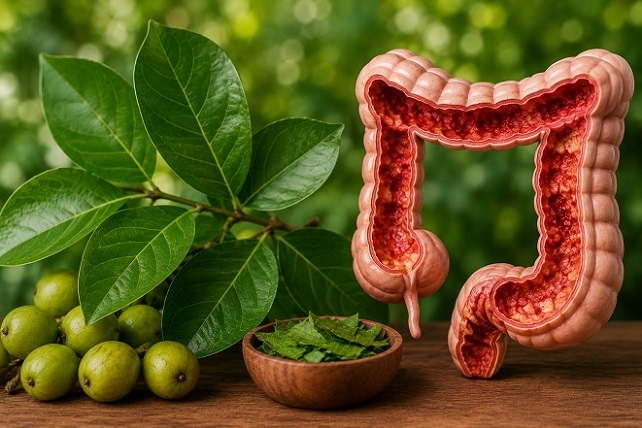 Brazilian researchers found that a tropical tree leaf extract reduced ulcerative colitis-related intestinal damage by up to
92.67 percent, performing comparably to prednisolone in experimental models
Researchers have found that an extract derived from the leaves of Spondias mombin L., a tropical tree commonly known as cajazeira, was able to reduce intestinal damage caused by ulcerative colitis by as much as 92.67 percent in an experimental animal model. Remarkably, the plant extract performed comparably to prednisolone, a widely used anti-inflammatory drug.
Tropical Medicinal Plant Draws Scientific Interest
Spondias mombin is a tropical tree native to many parts of Latin America and is especially common in Brazil. For generations, various parts of the plant have been used in traditional medicine. Modern research has already linked the species to antioxidant, anti-inflammatory, and anti-ulcer activities, but its potential role in inflammatory bowel disease has remained largely unexplored.
The new study was conducted by researchers from the Programa de Pós-Graduação em Ciências Farmacêuticas, Laboratório de Ensaios Farmacológicos, Departamento de Farmácia, Departamento de Odontologia, and Laboratório de Avaliação e Desenvolvimento de Biomateriais do Nordeste (CertBio) at the Universidade Estadual da Paraíba in Brazil, together with collaborators from Centro Universitário Unifacisa, Brazil.
Using advanced chromatographic analysis, the researchers identified quercetin as one of the major compounds present in the leaf extract. Quercetin is a well-known flavonoid that has been extensively studied for its antioxidant, anti-inflammatory, and immune-modulating properties.
Dramatic Reduction in Colitis Damage
To evaluate the extract's effectiveness, researchers induced ulcerative colitis in laboratory rats using a chemical known as TNBS, a widely accepted model that closely mimics many features of human inflammatory bowel disease.
The results exceeded expectations.
Animals treated with the leaf extract showed dramatic reductions in ulcerative intestinal lesions. The extract reduced injury by 86.82 percent at one dose, 92.67 percent at another dose, and 85.06 percent at a higher dose. The best-performing dose achieved a reduction in damage that was slightly greater than the 88.33 percent reduction observed with prednisolone.
The researchers also observed significant improvements in inflammation scores and substantial reductions in colon swelling. Importantly, the beneficial effects were observed across all tested doses, suggesting that even relatively modest amounts of the extract may be capable of producing meaningful therapeutic effects.
Microscopic Evidence Confirms Protective Effects
Visual examination alone did not tell the whole story. The scientists also performed detailed microscopic analyses of intestinal tissues.
Untreated animals displayed severe inflammation, extensive destruction of intestinal crypts, infiltration by inflammatory immune cells, and damage extending into deeper tissue layers. Such changes are hallmarks of active ulcerative colitis and contribute directly to symptoms and disease progression.
In contrast, animals receiving the Spondias mombin extract showed much healthier intestinal tissues. The lining of the intestine remained more intact, inflammatory cell infiltration was significantly reduced, and tissue injury was far less extensive.
This
Medical News report notes that the histopathological findings were particularly important because they provided direct evidence that the extract was not merely reducing symptoms but was actually protecting intestinal structures from inflammatory damage.
Potential Benefits for Bowel Function
The study also revealed another potentially important benefit. Patients suffering from inflammatory bowel diseases often experience abnormal intestinal motility that contributes to diarrhea and frequent bowel movements. Researchers found that high concentrations of the plant extract reduced contraction strength in isolated intestinal tissue by nearly half.
Specifically, the highest concentration tested reduced contractile responses to approximately 53.7 percent of normal activity. This finding suggests the extract may help calm excessive bowel activity associated with inflammatory bowel disease and potentially alleviate diarrhea-related symptoms.
The researchers believe this effect may be linked to the extract's influence on calcium-dependent signaling pathways that regulate intestinal muscle contractions.
A Promising Future for Natural Colitis Therapies
The findings add to a growing body of evidence suggesting that plant-derived compounds may offer valuable new approaches for treating inflammatory diseases. The presence of quercetin and other bioactive compounds likely contributes to the powerful anti-inflammatory effects observed in the study.
While the results are highly encouraging, the researchers caution that the work remains at the preclinical stage. Human clinical trials will be necessary to determine safety, effectiveness, dosage requirements, and long-term benefits before any therapeutic applications can be considered.
Conclusion
The study provides compelling evidence that Spondias mombin leaf extract possesses powerful anti-inflammatory properties capable of protecting the intestine from severe ulcerative colitis-related damage. The extract reduced intestinal injury by more than 92 percent, matched or exceeded the performance of prednisolone in several key measurements, preserved tissue structure, reduced inflammatory cell infiltration, and influenced abnormal intestinal contractions associated with disease symptoms. Although further research in humans is still required, these findings suggest that this tropical medicinal plant may represent a promising future source of safer and more effective therapies for inflammatory bowel diseases. If future clinical studies confirm these benefits, Spondias mombin could emerge as an important natural therapeutic option for patients seeking alternatives or complements to conventional treatments.
The study findings were published in the peer reviewed journal: Pharmaceutics.
https://www.mdpi.com/1999-4923/18/6/723
For the latest on herbs and phytochemicals, keep on logging to Thailand
Medical News.
Read Also:
https://www.thailandmedical.news/articles/herbs-and-phytochemicals
https://www.thailandmedical.news/articles/gastroenterology




 Share
Share
 Tweet
Tweet
 Share
Share

































