Nikhil Prasad Fact checked by:Thailand Medical News Team Dec 07, 2025 9 months, 4 weeks, 1 day, 12 hours, 7 minutes ago
Medical News: Methenamine Shows Strong Potential Against Drug Resistant Gonorrhea
In a new breakthrough, researchers from the Institute of Tropical Medicine in Antwerp, Belgium, Toho University in Tokyo, and the University of Cape Town, South Africa, have discovered that methenamine-hippurate, a compound more than a century old, could potentially be repurposed to treat gonorrhea infections—especially those resistant to current antibiotics.
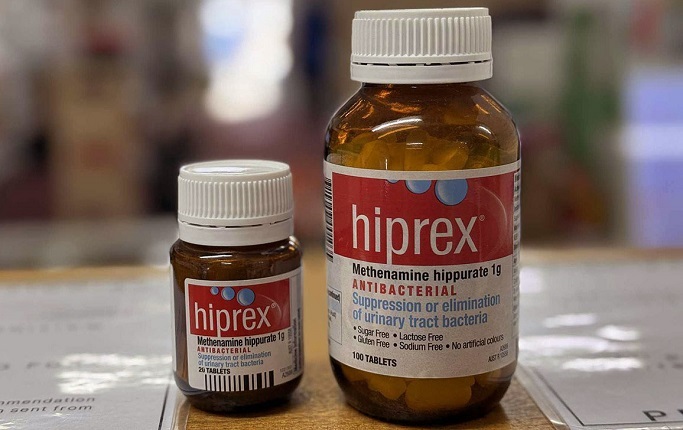 Scientists discover methenamine a 100-year-old antiseptic could fight drug resistant gonorrhea infections
This
Medical News report sheds light on an alternative strategy against Neisseria gonorrhoeae, the bacterium responsible for gonorrhea, which has developed resistance to nearly all known antibiotic treatments. With no new antibiotics on the immediate horizon, methenamine-hippurate could offer a lifeline.
How Methenamine Works in the Body
Methenamine-hippurate, once commonly used to prevent urinary tract infections, works by breaking down in acidic urine to release formaldehyde—a powerful compound that kills bacteria by damaging their DNA, proteins, and cell membranes. A dose of 1 gram taken orally every 12 hours produces high enough concentrations in the urine to kill most pathogens, making it suitable for treating infections confined to the urinary tract, such as gonococcal urethritis.
The researchers confirmed that methenamine was effective against 18 different gonorrhea strains in the lab, including those resistant to ceftriaxone, a last-resort antibiotic. All strains had the same minimum inhibitory concentration (MIC) of 300 mg/L, regardless of their resistance level to other drugs.
Testing in Live Models Offers Encouraging Signs
To move beyond the lab, scientists used Galleria mellonella larvae (a wax moth caterpillar model frequently used in infection studies) to mimic in vivo infections. The larvae were injected with drug-resistant gonorrhea bacteria and treated with methenamine at various doses. Remarkably, doses as low as 2 grams per gram of body weight significantly improved survival rates without causing any toxic side effects.
The positive effects were comparable to those seen with ceftriaxone. This means methenamine could potentially work alone or alongside other drugs to fight even the toughest strains of gonorrhea.
Limitations and What Comes Next
While these findings are promising, they remain in the early stages. The insect model doesn’t perfectly mimic human infections—larvae don’t have urethras, and their immune systems differ significantly from ours. The study also didn’t explore possible resistance development or how methenamine interacts with other medications.
Importantly, methenamine only works in acidic environments like the urinary tract and may not help with gonorrhea infections in other body sites such as the throat or rectum.
Despite these limitations, methena
mine’s long history of safe use in humans, its low cost, and its unique ability to fight bacteria without triggering resistance makes it a strong candidate for future clinical trials.
A New Use for an Old Drug
The need for alternative gonorrhea treatments is urgent, and methenamine could be a valuable tool in that fight. Future studies in mammals and humans are essential to confirm its real-world usefulness, but for now, the research opens new doors in an area long marked by growing resistance and few solutions.
The study findings were published in the peer reviewed journal: Venereology.
https://www.mdpi.com/2674-0710/4/3/13
For the latest on STDs or STIs, keep on logging to Thailand
Medical News.
Read Also:
https://www.thailandmedical.news/articles/stds




 Share
Share
 Tweet
Tweet
 Share
Share