Nikhil Prasad Fact checked by:Thailand Medical News Team Jun 05, 2026 1 month, 4 weeks, 12 hours, 21 minutes ago
Medical News: A growing body of research is suggesting that one of the most important nutrients found in fish oil may have a powerful ability to protect the brain from a damaging process linked to many neurological disorders. A new systematic review has found that docosahexaenoic acid (DHA), a key omega-3 fatty acid, may help defend brain cells against glutamate-induced neurotoxicity, a destructive process that contributes to conditions such as Alzheimer’s disease, Parkinson’s disease, stroke, traumatic brain injury, epilepsy, and other neurological disorders.
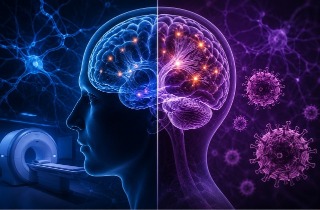
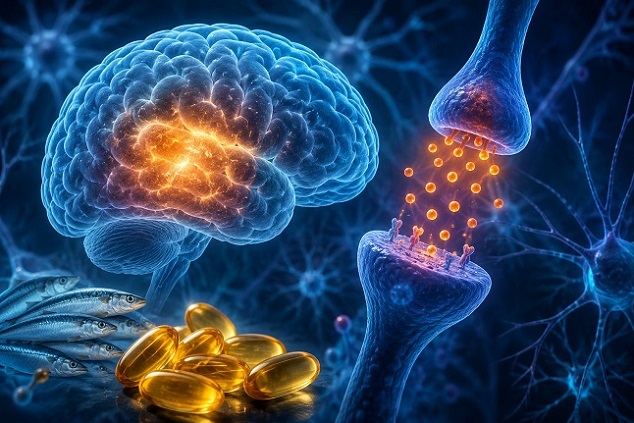 New research suggests that the omega-3 fatty acid DHA may help protect brain cells from glutamate-driven damage
linked to major neurological diseases
The research was conducted by scientists from the Department of Nursing, Faculty of Medicine, Universiti Kebangsaan Malaysia; the Department of Physiology, Faculty of Medicine, Universiti Kebangsaan Malaysia; and the Institute of Islamic Civilization, Universiti Kebangsaan Malaysia, Malaysia.
Understanding the Brain’s Glutamate Problem
Glutamate is the brain’s primary excitatory neurotransmitter and plays an essential role in learning, memory formation, and communication between nerve cells. However, when glutamate levels become excessively high, brain cells can become overstimulated. This phenomenon, known as excitotoxicity, triggers a cascade of harmful events including calcium overload, oxidative stress, inflammation, mitochondrial dysfunction, and ultimately cell death.
Scientists have long known that glutamate excitotoxicity is a major contributor to the progression of many neurological diseases. As a result, researchers have been searching for safe and effective ways to reduce this damage.
DHA has attracted significant attention because it is naturally abundant in the brain and plays crucial roles in maintaining healthy nerve cell membranes, supporting synaptic communication, and regulating inflammation.
Review Examined More Than Two Decades of Research
To better understand DHA’s protective effects, researchers conducted a comprehensive review of preclinical studies published between 2003 and 2025. Out of 475 screened articles, 13 studies met the strict inclusion criteria.
The selected studies included nine animal experiments, three ex vivo brain tissue studies, and one laboratory cell study. Various models of excitotoxicity were examined, including exposure to glutamate, NMDA, AMPA, kainic acid, traumatic brain injury, and stroke.
Across these different models, DHA consistently demonstrated substantial neuroprotective effects.
DHA Reduced Brain Cell Death and Preserved Neuronal Function
One of the most striking findings was DHA’s ability to improve the survival of brain cells exposed to toxic glutamate activity.
Several studies showed that DHA reduced neuronal loss, limited brain tissue damage, preserved important nerve fibers, and enhanced cellular survival signals. In offspring born to DHA-supplemented mothers, researchers observed signif
icantly less brain damage after exposure to excitotoxic insults.
In stroke models, DHA treatment reduced damaged brain tissue by as much as 56 percent while also improving neurological function. In traumatic brain injury models, DHA improved learning ability and memory performance.
Researchers also found evidence that DHA increased levels of brain-derived neurotrophic factor (BDNF), a critical protein that supports neuron growth, repair, and survival.
Powerful Anti-Inflammatory and Antioxidant Effects Identified
This
Medical News report notes that one of the most important discoveries was DHA’s ability to combat the oxidative stress and inflammation that drive excitotoxic brain injury.
Multiple studies found that DHA lowered levels of damaging molecules associated with oxidative stress, including malondialdehyde and nitric oxide. At the same time, DHA boosted natural antioxidant defenses such as glutathione, glutathione peroxidase, catalase, and superoxide dismutase.
Researchers also observed reductions in inflammatory molecules including tumor necrosis factor-alpha (TNF-α), interleukin-1 beta (IL-1β), interleukin-6 (IL-6), and cyclooxygenase-2 (COX-2).
These combined actions appear to create a protective environment that helps brain cells survive otherwise toxic conditions.
Improved Cognitive Performance and Seizure Protection
Beyond cellular protection, DHA also produced measurable benefits in behavior and brain function.
In animal models of epilepsy, DHA supplementation reduced seizure severity, seizure frequency, and the occurrence of severe seizure episodes. In zebrafish studies, both parent fish and their offspring experienced improved survival rates after DHA supplementation.
Meanwhile, rats with traumatic brain injury performed better in memory and learning tests after receiving DHA-enriched diets. Researchers linked these improvements to enhanced expression of proteins involved in synaptic plasticity and cognitive function.
Why More Human Studies Are Needed
Although the results are encouraging, researchers caution that all evidence reviewed came from preclinical studies. Human clinical trials specifically examining DHA’s effects on glutamate-induced excitotoxicity remain limited.
The review also found significant variations in DHA sources, doses, treatment durations, and experimental methods. These differences make it difficult to determine the optimal therapeutic dose or treatment strategy for people.
Conclusions
The findings provide compelling evidence that DHA may be one of the most promising nutritional compounds for protecting the brain against glutamate-induced damage. Across multiple experimental models, DHA consistently reduced neuronal death, suppressed harmful inflammation, lowered oxidative stress, improved antioxidant defenses, and enhanced cognitive outcomes. The fatty acid also appeared to influence glutamate signaling pathways that are directly involved in excitotoxic injury. However, despite these encouraging findings, the evidence remains limited to animal and laboratory studies. Large, well-designed human clinical trials will be essential to determine whether DHA can deliver the same level of neuroprotection in patients suffering from neurological disorders such as Alzheimer’s disease, Parkinson’s disease, stroke, traumatic brain injury, and epilepsy. If future studies confirm these benefits, DHA could emerge as an accessible and relatively safe therapeutic tool for protecting brain health and slowing neurological damage.
The study findings were published in the peer reviewed journal: Nutrients.
https://www.mdpi.com/2072-6643/18/11/1819
For the latest on neuroprotective agents, keep on logging to Thailand
Medical News.
Read Also:
https://www.thailandmedical.news/news/supercritical-co2-tomato-extract-shows-strong-neuroprotective-effects
https://www.thailandmedical.news/news/petiveria-alliacea-extract-stops-harmful-amyloid-buildup-in-alzheimer-and-exhibits-neuroprotective-properties
https://www.thailandmedical.news/news/phytochemicals-from-astragalus-membranaceus-shows-strong-neuroprotective-promise




 Share
Share
 Tweet
Tweet
 Share
Share