New SARS-CoV-2 Variant TA.1 Raising Concerns. More Dangerous to Brains and Blood Vessels Despite Being Claimed as Mild?
Nikhil Prasad Fact checked by:Thailand Medical News Team Oct 21, 2026 52 minutes ago
A newly emerging SARS-CoV-2 variant known as TA.1 is attracting growing scientific attention as genomic surveillance identifies increasing circulation in the United Kingdom, Canada, and other regions. Descended from the Omicron XFG lineage, TA.1 (XFG.14.8.1) has accumulated genetic changes that warrant closer investigation, particularly as researchers continue examining how evolving coronavirus variants might affect different organs and tissues.
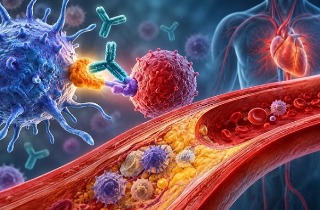
 Emerging SARS-CoV-2 variant TA.1 is spreading across multiple regions, raising unanswered questions
about its potential neurological and vascular effects despite limited evidence of increased acute severity
Although some health professionals describe currently circulating infections as generally mild during their acute stages, an important question remains unanswered: could TA.1 possess biological characteristics that increase neurological or vascular complications even when initial respiratory symptoms appear relatively manageable?
How the SARS-CoV-2 TA.1 Lineage Emerged
TA.1 is an emerging SARS-CoV-2 Omicron sublineage descended from XFG, with the full evolutionary designation XFG.14.8.1. The lineage received its official Pango designation on June 23, 2026, through the international SARS-CoV-2 lineage classification system, with the designation recorded by Cornelius Roemer in the Pango GitHub repository.
Subsequent genomic surveillance has identified additional evolutionary branches of TA.1 carrying mutations in the spike protein and other viral proteins. In September and October 2026, researchers documented several emerging TA.1 descendants, including branches carrying spike mutations F59V, A684V, S446D and Y453F. These developments have attracted attention among researchers monitoring SARS-CoV-2 evolution because some of the affected spike regions are involved in cellular entry or antibody recognition. However, the identification of these mutations does not establish that TA.1 has acquired greater transmissibility, enhanced immune evasion, altered tissue tropism or increased disease severity.
https://github.com/sars-cov-2-variants/lineage-proposals/issues/3466
There is currently no direct evidence establishing that TA.1 is more dangerous to the brain or arteries than other variants. Nevertheless, the possibility deserves investigation because previous SARS-CoV-2 research has demonstrated that neurological inflammation, endothelial dysfunction, and vascular injury can occur through mechanisms extending beyond respiratory infection. Also, some new preliminary data of the rise in brain ischemia and also gastrointestinal ischemia along with various manifestations of neurological complications in certain individuals previously with mild COVID in certain geolocations where TA.1 is prevalent is raising urgent concerns and queries.
TA.1 Emerges as a Significant Lineage in Britain
Recent genomic surveillance from the United Kingdom Health Security Agency provides compelling evidence that TA.1 has become an epidemiologically important lineage.
/national-flu-and-covid-19-surveillance-report-15-october-2026-week-42">https://www.gov.uk/government/statistics/national-flu-and-covid-19-surveillance-reports-2026-to-2027-season/national-flu-and-covid-19-surveillance-report-15-october-2026-week-42
According to surveillance findings published on October 15th, 2026, TA.1 accounted for approximately 25.8 percent of sequenced SARS-CoV-2 infections collected between August 31st and September 13th.
This placed TA.1 ahead of several other circulating lineages, including RV.2.1 at 16.7 percent, RF.5 at 13.6 percent, and NB.1.8.1 at 12.1 percent.
These findings are significant because TA.1 represented the largest individual lineage category during the reported sequencing period.
However, sequencing percentages should not be confused with the proportion of all infections nationwide. Surveillance samples may not perfectly represent community transmission, and additional reporting periods are necessary to establish whether TA.1 possesses a sustained competitive advantage.
Even with these limitations, its substantial representation suggests that the lineage is circulating widely enough to justify intensified monitoring.
Canadian Surveillance Reveals Steady Growth
Similar developments have been documented in Ontario, Canada, where Public Health Ontario reported a progressive increase in TA.1 detections.
https://www.publichealthontario.ca/-/media/documents/ncov/epi/covid-19-sars-cov2-whole-genome-sequencing-epi-summary.pdf
A surveillance report published October 5th showed that TA.1 represented 12.1 percent of sequenced infections collected between August 23rd and September 19th, compared with just 4.6 percent during an earlier reporting period spanning late May and June.
Its proportion subsequently increased to 7.1 percent, then 10.3 percent, before reaching 12.1 percent.
Among 231 sequenced infections in the latest four-week reporting period, 28 involved TA.1.
Regional differences were also apparent. The lineage represented 23.4 percent of sequenced infections in Ontario's Central East region and 14.9 percent in Toronto.
These figures suggest expanding circulation, although they cannot independently establish increased transmissibility or disease severity.
The parallel findings from Britain and Canada strengthen the argument for coordinated international surveillance.
Genetic Changes Raise Important Biological Questions
TA.1 emerged from XFG, itself part of the broader Omicron evolutionary family associated with the JN.1 background.
The World Health Organization has monitored XFG since June 2025, reflecting continuing interest in its evolutionary development.
TA.1 received its official Pango lineage designation on June 23rd, 2026.
Subsequent genomic tracking identified additional changes in certain developing TA.1 branches, including ORF1a:D1323G, ORF1a:A2279T, ORF1a:E743D, ORF7a:A105V, and spike F59V.
The ORF1a changes occur within the viral replication polyprotein, while ORF7a encodes an accessory protein potentially involved in interactions between the virus and infected cells.
Spike F59V is especially interesting because it affects the N-terminal domain of the spike protein, a region involved in recognition by certain antibodies.
However, these mutations characterize particular evolving branches rather than necessarily defining every TA.1 virus.
Their biological effects remain unconfirmed, and genetic changes alone cannot demonstrate increased immune escape, tissue invasion, or pathogenicity.
Could TA.1 Have Greater Effects on the Brain?
One concern deserving careful investigation is whether TA.1 might exhibit altered neurotropism, meaning a changed capacity to infect nervous-system cells or associated tissues.
Previous SARS-CoV-2 investigations have established several pathways through which COVID-19 can affect neurological health.
These include systemic inflammation, immune dysregulation, vascular abnormalities, disruption of the blood-brain barrier, and infection of susceptible neural cells under certain experimental conditions.
Importantly, neurological injury does not necessarily require extensive direct infection of neurons.
Inflammatory molecules circulating through the bloodstream may influence brain function, while endothelial injury could compromise the protective barrier separating circulating blood from sensitive neural tissues.
A variant that intensifies these responses might theoretically produce greater neurological consequences without causing noticeably more severe respiratory symptoms.
However, no published TA.1-specific experimental findings supplied for this article demonstrate enhanced brain invasion, increased neuroinflammation, or greater neurological complications.
The hypothesis therefore remains an important research question rather than an established warning about TA.1.
Why Arteries and Blood Vessels Deserve Attention
Another potentially important area involves the vascular endothelium, the specialized cellular lining of blood vessels.
Endothelial cells help regulate blood circulation, vascular permeability, inflammatory signaling, and coagulation.
SARS-CoV-2 infection has previously been associated with endothelial dysfunction, abnormal clotting responses, and microvascular inflammation.
Research published in Cardiovascular Research in May 2026 examined how the coronavirus spike S1 protein could promote endothelial inflammation and vascular dysfunction through mechanisms involving interferon signaling and ISG15-associated pathways.
These findings provide a biological foundation for investigating whether changes in viral proteins might influence vascular responses.
Nevertheless, they do not establish that TA.1 produces stronger endothelial injury.
Potential consequences of altered vascular responses could theoretically include increased permeability, microvascular dysfunction, or coagulation abnormalities.
Such possibilities are particularly relevant because damage to small blood vessels can influence multiple organs, including the brain and heart.
Crucially, vascular complications may arise through inflammatory and immune-mediated processes even without productive infection of endothelial cells.
Could the Variant Exploit Different Cellular Entry Pathways?
Scientists should also investigate whether TA.1 has changed how efficiently it enters particular cell types.
ACE2 remains the principal established receptor used by SARS-CoV-2, but several additional cellular proteins have been investigated as potential attachment factors or alternative entry facilitators.
These include neuropilin-1, AXL, KREMEN1, TMEM106B, and heparan sulfate.
Neuropilin-1 is particularly relevant to research involving olfactory and neurovascular tissues, although its involvement in experimental entry mechanisms does not establish that TA.1 exploits it more efficiently.
Another important question concerns the balance between TMPRSS2-associated cell-surface entry and cathepsin-dependent endosomal entry.
Earlier Omicron variants demonstrated that differences in these pathways can influence cellular susceptibility and tissue tropism.
If TA.1 has altered its dependence on these mechanisms, researchers might discover changes in which tissues support infection.
Currently, however, there is no demonstrated TA.1-specific receptor switch or experimentally confirmed alteration in these entry pathways.
Mild Initial Symptoms Cannot Settle Long-Term Risk
An important distinction must be made between acute clinical severity and possible longer-term complications.
A respiratory infection that initially produces relatively mild symptoms does not automatically exclude subsequent neurological, cardiovascular, or inflammatory problems.
COVID-19 research has established that post-acute complications can occur after infections that did not require hospitalization.
Nevertheless, this broader knowledge cannot be used to claim that TA.1 causes more long-term damage than earlier variants.
As this
Thailand Medical News report emphasizes, the absence of demonstrated increased acute severity should not replace systematic investigation into potential tissue-specific effects.
Determining whether TA.1 differs clinically requires reliable patient follow-up, appropriate comparison groups, and careful adjustment for previous immunity, vaccination status, age, and underlying medical conditions.
Without these safeguards, apparent differences could reflect population characteristics rather than properties of the virus itself.
Researchers Need Urgent Comparative Investigations
Several investigations could help clarify TA.1's biological behavior. Laboratories should compare TA.1 directly with its XFG parent and other contemporary lineages, examining receptor binding, cellular entry efficiency, viral replication, and inflammatory signaling.
Human neural organoids, astrocyte models, and blood-brain barrier systems could help identify potential differences in neurological involvement.
Vascular experiments should assess endothelial barrier integrity, inflammatory responses, and coagulation-associated pathways.
Researchers should also determine whether additional mutations in emerging TA.1 branches influence antibody neutralization or cellular tropism.
Clinical investigations are equally important, particularly studies tracking neurological symptoms, cardiovascular complications, thrombotic events, and post-acute outcomes among people with sequencing-confirmed infections.
Such research would provide substantially stronger evidence than genomic surveillance alone.
What the Emerging Evidence Means
TA.1's growing representation in Britain and Ontario demonstrates why this emerging lineage deserves sustained scientific scrutiny. Its genetic diversification raises legitimate questions about immune recognition, cellular entry, and potential tissue-specific effects, including neurological and vascular involvement.
However, there is presently insufficient evidence to establish that TA.1 is more neurotropic, causes greater arterial damage, or produces worse long-term outcomes than other circulating variants. These possibilities must remain clearly identified as hypotheses until comparative laboratory and clinical studies provide answers.
The priority should be rigorous investigation rather than premature reassurance or unsupported alarm. Understanding whether apparently mild acute infections conceal different longer-term risks is essential for responsible public-health surveillance.
References:
https://cov-spectrum.org/explore/World/AllSamples/Past6M/variants?nextcladePangoLineage=TA.1
https://github.com/cov-lineages/pango-designation/issues/3263
https://github.com/nextstrain/nextclade_data/releases
https://www.who.int/en/activities/tracking-sars-cov-2-variants
https://academic.oup.com/cardiovascres/article/122/10/1344/8687056
https://pubmed.ncbi.nlm.nih.gov/?term=SARS-CoV-2+neuropilin-1+neurotropism
https://pubmed.ncbi.nlm.nih.gov/?term=SARS-CoV-2+neuroinflammation+blood+brain+barrier
https://pubmed.ncbi.nlm.nih.gov/?term=COVID-19+neurological+complications+vascular+inflammation




 Share
 Tweet
 Share