Nikhil Prasad Fact checked by:Thailand Medical News Team Apr 04, 2026 4 months, 2 weeks, 1 day, 19 hours, 21 minutes ago
Medical News: A Natural Fruit Drawing Scientific Attention
A growing body of research is highlighting the surprising health potential of a vibrant desert fruit known as prickly pear, scientifically called Opuntia ficus-indica. Scientists are now exploring how this fruit may help tackle metabolic syndrome—a dangerous cluster of conditions that includes obesity, high blood sugar, abnormal cholesterol levels, and high blood pressure.
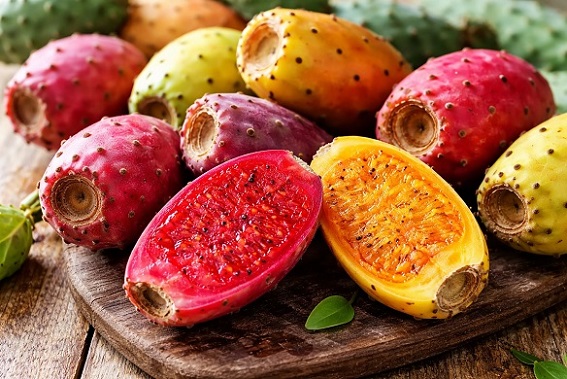 A colorful desert fruit shows promise in fighting metabolic syndrome naturally
Metabolic syndrome affects a large portion of the global population and significantly raises the risk of diabetes, fatty liver disease, and heart complications. What makes prickly pear particularly interesting is its ability to target several of these issues at once, rather than addressing just one symptom.
A Powerful Mix of Natural Compounds
Prickly pear is not just another fruit—it is a complex nutritional package. It contains fiber, vitamins, minerals, and unique plant compounds such as flavonoids, betalains, and carotenoids. These compounds work together rather than acting alone.
The fruit pulp is rich in soluble fiber, which helps control blood sugar spikes and supports gut health. Meanwhile, the seeds contain beneficial fats and antioxidants that may support heart health.
Researchers emphasize that this combination creates a “whole-food effect,” where multiple nutrients interact to produce stronger benefits than isolated supplements.
How It May Help the Body
This
Medical News report highlights that prickly pear appears to influence several important processes in the body.
First, it helps reduce oxidative stress, a harmful condition caused by excess free radicals that damage cells. Compounds in the fruit activate natural antioxidant systems, helping the body defend itself more effectively.
Second, it reduces inflammation. Chronic low-grade inflammation is a key driver of metabolic syndrome, and the fruit’s bioactive compounds have been shown to calm inflammatory pathways.
Third, it improves insulin sensitivity. This means the body becomes better at using insulin to regulate blood sugar, potentially lowering the risk of type 2 diabetes.
Finally, it supports fat metabolism. Studies show that it may reduce fat buildup in the liver and improve how the body processes lipids, which is crucial for preventing fatty liver disease.
Evidence from Laboratory and Early Human Studies
Animal studies provide strong support for these benefits. In controlled experiments, prickly pear extracts helped reduce body weight gain, lower triglyceride levels, and decrease fat accumulation in the liver.
Some early human studies have also shown encouraging results. Participants consuming the fruit experienced reductions in oxidative stress markers and improvements
in metabolic indicators. Additionally, one key compound, indicaxanthin, has been shown to be absorbed into the bloodstream after consumption, confirming its biological activity in humans.
However, researchers caution that most human studies are still small and short-term, meaning more rigorous trials are needed.
Gut Health and Whole-Body Benefits
Another fascinating area of research involves gut health. The fiber and polyphenols in prickly pear appear to support beneficial gut bacteria while reducing harmful ones. This helps strengthen the gut barrier and reduce inflammation linked to metabolic disorders.
The fruit may also contribute to better blood pressure control and vascular health due to its mineral content, including potassium and magnesium.
Limitations and What Still Needs to Be Proven
Despite promising findings, scientists stress that prickly pear is not a miracle cure. Variations in fruit composition, differences in study design, and limited clinical trials make it difficult to draw firm conclusions.
Another challenge is determining how much of the fruit people need to consume to achieve meaningful benefits. Current research has not yet established standardized doses.
Conclusion
In conclusion, prickly pear fruit represents a highly promising natural approach to managing metabolic syndrome due to its multi-target effects on inflammation, oxidative stress, insulin sensitivity, and lipid metabolism. While laboratory and early human studies provide compelling evidence, larger and longer-term clinical trials are essential to confirm its true effectiveness. Until then, it should be viewed as a supportive dietary component rather than a standalone treatment, offering potential benefits when combined with a healthy lifestyle and balanced nutrition.
The study findings were published in the peer reviewed journal: Nutrients.
https://www.mdpi.com/2072-6643/18/7/1157
For the latest on preventing or treating metabolic syndrome, keep on logging to Thailand
Medical News.
Read Also:
https://www.thailandmedical.news/articles/diabetes
https://www.thailandmedical.news/articles/gastroenterology
https://www.thailandmedical.news/articles/herbs-and-phytochemicals




 Share
Share
 Tweet
Tweet
 Share
Share