Nikhil Prasad Fact checked by:Thailand Medical News Team Apr 17, 2026 4 months, 2 weeks, 1 day, 23 hours, 27 minutes ago
Medical News: A new study is shedding light on why some people never fully recover after COVID-19, uncovering hidden immune disturbances that linger months after infection. Scientists have identified specific proteins in the blood that behave differently in individuals with long COVID, offering fresh clues into the condition’s underlying biology and why symptoms like fatigue, brain fog, and neurological issues persist.
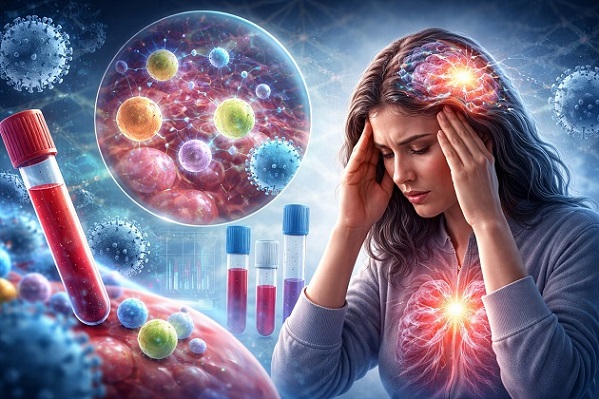 New research uncovers hidden immune and brain-related protein changes driving long COVID symptoms
A Closer Look at Long COVID Biology
Long COVID, defined as symptoms lasting more than three months after infection, continues to puzzle researchers worldwide. In this latest investigation, scientists analyzed blood samples from individuals who had recovered fully, those suffering from long COVID, and healthy individuals who had never been infected.
The research team included experts from the Influenza Centre at the University of Bergen, the University of Melbourne, the Peter Doherty Institute for Infection and Immunity, The Walter and Eliza Hall Institute of Medical Research, the Burnet Institute, and Haukeland University Hospital.
Using advanced proteomics technology, the scientists measured 182 proteins linked to inflammation and neurological function. Their goal was to identify biological differences that could explain why some individuals fail to recover completely.
Distinct Protein Signatures Found
The findings revealed that people with long COVID have unique patterns of proteins in their blood, even 6 to 9 months after infection. Among the most important were inflammatory molecules such as IL-20 and MCP-1, along with neurological-related proteins like HAGH and NAAA.
These proteins were not just slightly different; they formed distinct patterns that could reliably separate long COVID patients from both healthy individuals and those who had fully recovered.
Interestingly, IL-20 stood out as a key player. This protein is known to promote inflammation and has been linked to autoimmune conditions. Elevated levels suggest that long COVID may involve ongoing immune system overactivity, even long after the virus is gone.
What Happens After Reinfection
One of the most intriguing aspects of the study was its examination of how the immune system responds to reinfections in people with long COVID.
When individuals with long COVID were reinfected, their immune response looked different from their first infection. The same abnormal protein patterns were not reproduced, suggesting that the body reacts differently upon re-exposure to the virus.
This
Medical News report highlights that the immune system in long COVID patients may be fundamentally altered, responding in unpredictable ways to future exposures.
Neurological Links Become Clearer
The study also offers important insights into the
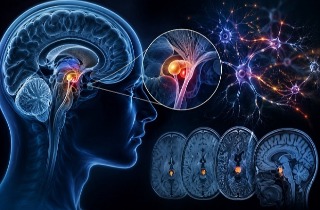
neurological symptoms of long COVID. Several of the identified proteins are associated with brain function and cognitive performance.
For example, elevated HAGH levels have been linked to reduced cognitive ability, while changes in proteins like LXN and NAAA may influence brain health. These findings help explain why many long COVID patients report persistent brain fog, memory problems, and mental fatigue.
The presence of these neurological markers suggests that long COVID is not just a respiratory condition but a complex disorder affecting multiple systems, including the brain.
What This Means for the Future
The study’s findings could pave the way for better diagnosis and treatment of long COVID. Currently, there are no reliable laboratory tests to confirm the condition, and diagnosis is largely based on symptoms.
By identifying specific protein signatures, researchers are moving closer to developing objective biomarkers that could help doctors diagnose long COVID more accurately and potentially monitor its progression.
Conclusion
This study provides compelling evidence that long COVID is driven by persistent and altered immune activity, rather than simple recovery delays. The identification of distinct inflammatory and neurological protein patterns shows that the condition has a measurable biological basis. Importantly, the findings suggest that vaccination does not worsen these abnormalities and that reinfections trigger different immune responses. While more research is needed in larger populations, these insights mark a significant step toward understanding, diagnosing, and eventually treating long COVID more effectively.
The study findings were published in the peer reviewed journal: Communications Medicine.
https://www.nature.com/articles/s43856-026-01541-6
For the latest on Long COVID, keep on logging to Thailand
Medical News.
Read Also:
https://www.thailandmedical.news/articles/coronavirus
https://www.thailandmedical.news/articles/long-covid




 Share
Share
 Tweet
Tweet
 Share
Share