Nikhil Prasad Fact checked by:Thailand Medical News Team Apr 21, 2026 3 months, 2 days, 15 hours, 5 minutes ago
Medical News: A New Multi-Target Strategy for Neurodegeneration
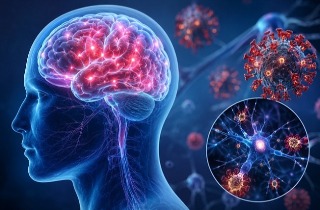
Scientists are reporting a major step forward in the search for better treatments for neurodegenerative diseases, with newly engineered compounds showing the ability to attack several disease mechanisms at once. These findings could open the door to more effective therapies for conditions such as Alzheimer’s and Parkinson’s disease, which have long resisted efforts to slow their progression.
Neurodegenerative disorders are complex and involve multiple damaging processes occurring simultaneously in the brain. In Alzheimer’s disease, toxic amyloid-beta proteins accumulate and disrupt brain function, while Parkinson’s disease is marked by the progressive loss of dopamine-producing neurons. In both cases, oxidative stress, inflammation, and metal imbalances worsen the damage. This
Medical News report highlights why targeting just one of these factors has proven insufficient in current treatment approaches.
Designing a More Powerful Drug Approach
To address this challenge, researchers modified rivastigmine, a drug already used to treat symptoms of Alzheimer’s disease, by combining it with antioxidant molecules. These included compounds such as Trolox, syringic acid, and cinnamic acid derivatives. The result was a series of hybrid molecules designed to deliver multiple protective effects within a single compound.
The research was conducted by scientists from Centro de Química Estrutural, Institute of Molecular Sciences, Instituto Superior Técnico, Universidade de Lisboa; CNC-UC Center for Neuroscience and Cell Biology, Universidade de Coimbra; Centre for Innovative Biomedicine and Biotechnology, University of Coimbra; Faculdade de Medicina da Universidade de Coimbra; Research Institute for Medicines (iMed.ULisboa), Faculdade de Farmácia, Universidade de Lisboa; and RISE-Health, Faculty of Medicine, University of Porto.
These hybrids were specifically designed to retain the original benefits of rivastigmine while adding antioxidant, metal-binding, and anti-aggregation properties.
Key Findings Show Strong Neuroprotective Potential
Laboratory testing revealed that several of the new compounds performed impressively across multiple biological targets. Some demonstrated strong antioxidant activity, effectively neutralizing harmful reactive oxygen species that contribute to brain cell damage.
At the same time, these compounds were able to significantly reduce the formation of amyloid-beta aggregates, a major hallmark of Alzheimer’s disease. In some cases, inhibition levels reached as high as 82 percent, placing them among the more effective compounds studied in this area.
Another important finding was their ability to bind metal ions such as iron and copper. These metals are known to play a role in accelerating oxidative stress and promoting toxic protein aggregation in the brain. By stabilizing these metal levels, the compounds may help reduce one of the key drivers of neurodegeneration.
Additional Benefits in Cellular Models
The study also explored how these compounds perform in cell-based models that mimic disease conditions. In experiments involving toxic substances linked to Parkinson’s disease, several of the hyb
rid compounds were able to significantly improve cell survival.
In some cases, they reversed a notable portion of the damage caused by these toxins, restoring cellular function closer to normal levels. This suggests that the compounds may not only prevent damage but also help protect and recover stressed brain cells.
The compounds also showed moderate inhibition of monoamine oxidase enzymes, which are associated with the production of harmful oxidative byproducts. Although this effect was not particularly strong, it adds to the overall multi-target profile of these molecules.
Why Multi-Target Drugs Could Be the Future
One of the most important takeaways from this research is the growing recognition that neurodegenerative diseases cannot be effectively treated with single-target drugs. These conditions involve a network of interconnected biological processes, and addressing only one pathway often leads to limited results.
By combining multiple beneficial actions into a single molecule, these rivastigmine hybrids offer a more comprehensive approach. Their ability to reduce oxidative stress, prevent toxic protein buildup, regulate metal imbalances, and protect brain cells makes them particularly promising candidates for further development.
Conclusion
The findings from this study provide strong evidence that rivastigmine-based hybrid compounds could represent a new direction in the treatment of neurodegenerative diseases. Their multi-target design allows them to address several of the underlying causes of brain degeneration simultaneously, which is a critical advantage over existing therapies. While more research is needed to confirm their safety and effectiveness in humans, the results so far are highly encouraging. The demonstrated ability to protect brain cells, reduce toxic protein aggregation, and stabilize harmful metal imbalances suggests that these compounds could eventually play a key role in slowing or even modifying disease progression rather than simply managing symptoms.
The study findings were published in the peer reviewed International Journal of Molecular Sciences.
https://www.mdpi.com/1422-0067/27/8/3637
For the latest research on neurodegenerative diseases, keep on logging to Thailand
Medical News.
Read Also:
https://www.thailandmedical.news/articles/alzheimer,-dementia-




 Share
Share
 Tweet
Tweet
 Share
Share