Nikhil Prasad Fact checked by:Thailand Medical News Team Sep 19, 2025 1 year, 2 weeks, 22 hours, 13 minutes ago
Medical News: Understanding the Hidden Link Between Viruses and Blood Disorders
A new study by researchers from the Federal University of Minas Gerais and the Federal University of Juiz de Fora in Brazil warns that viral infections can do far more damage than just causing fever or respiratory distress. The scientists highlight that many viruses, including dengue, chikungunya, influenza, and SARS-CoV-2, trigger a dangerous process called thromboinflammation—a condition where blood clotting and inflammation spiral out of control. This
Medical News report explores how these mechanisms can worsen illness and even lead to life-threatening complications.
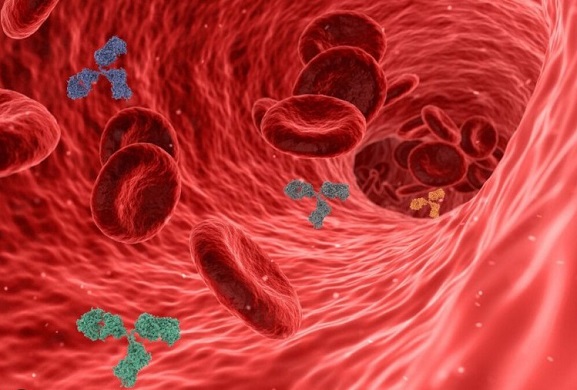 Viral Infections Drive Dangerous Clotting and Inflammation in the Body
What Is Thromboinflammation
Viral Infections Drive Dangerous Clotting and Inflammation in the Body
What Is Thromboinflammation
Normally, our blood clotting system and immune defenses work hand in hand to protect us from injuries and infections. But when these two systems become overactive together, the result is thromboinflammation. This means platelets, blood vessel linings, and immune cells all start fueling each other’s activity, producing clots inside vessels while releasing inflammatory chemicals. Instead of healing, this process damages tissues, blocks blood flow, and can trigger organ failure.
How Different Viruses Cause It
Dengue virus directly infects bone marrow cells, disrupting platelet production and producing weak or abnormal platelets. These faulty cells activate too soon, undergo early death, and are rapidly cleared by immune cells, leading to dangerous drops in platelet numbers. The virus also releases proteins like NS1 that weaken blood vessel walls, making them leaky and unstable. This explains the bleeding, fluid leakage, and shock often seen in severe dengue.
Chikungunya virus not only causes painful joint inflammation but also activates platelets and drives them to form aggregates with immune cells. Patients often show elevated D-dimer levels, a marker of clot breakdown, indicating clotting activity inside their blood vessels. Rare but severe cases of deep vein thrombosis have been reported.
Influenza virus, best known for attacking the lungs, also activates platelets through receptors that detect viral RNA. This makes the blood more prone to clotting and contributes to complications like stroke or heart attack during flu outbreaks. In severe cases, influenza infection can reduce platelet counts and drive acute respiratory distress by damaging lung blood vessels.
SARS-CoV-2, the virus behind COVID-19, can directly infect platelet-producing cells in both bone marrow and lungs. It not only depletes platelet numbers but also causes them to clump together with immune cells, releasing inflammatory and clot-promoting factors. COVID-19 patients often show extremely high D-dimer levels, widespread microclots in the lungs, and increased risk of heart attacks and strokes. Even long after infection, persistent microclots and ongoing vascular inflammation have been detected in patients suffering from long COVID.
Why This Matters for Patients
/>
These findings reveal that viral infections are not just respiratory or systemic illnesses but also vascular and blood disorders. By setting off thromboinflammation, viruses create a perfect storm of clotting, inflammation, and vessel damage. This increases the risks of bleeding, thrombosis, organ failure, and long-term health complications.
Conclusion
The study emphasizes that future treatments for viral infections must look beyond antiviral drugs and also target the clotting and inflammatory pathways that fuel thromboinflammation. Therapies combining anticoagulants, antiplatelet drugs, and immune-modulating agents may be crucial in preventing severe outcomes. Understanding these processes better could save lives not only during pandemics like COVID-19 but also in common outbreaks of dengue or influenza. The authors stress that more research is needed to develop safe strategies, especially for vulnerable groups such as pregnant women, children, and those with chronic illnesses.
The study findings were published in the peer reviewed journal: Viruses.
https://www.mdpi.com/1999-4915/17/9/1207
For the latest on Thromboinflammation, keep on logging to Thailand Medical News.
Read Also:
https://www.thailandmedical.news/news/sulodexide-effectively-mitigates-thromboinflammation-and-endothelial-damage-reducing-risks-associated-with-long-covid
https://www.thailandmedical.news/news/scientists-from-taiwan-find-that-clec2-linked-to-sars-cov-2-induced-thromboinflammation-with-clec2-fc-emerging-as-a-potential-therapeutic-agent
https://www.thailandmedical.news/news/brazil-researchers-warn-of-persisting-thromboinflammation-in-long-covid-individuals
https://www.thailandmedical.news/news/university-of-bristol-study-finds-that-sars-cov-2-induced-platelet-driven-thromboinflammation-contributes-to-thrombosis-in-covid-19-patients




 Share
Share
 Tweet
Tweet
 Share
Share

































