Nikhil Prasad Fact checked by:Thailand Medical News Team Jun 15, 2026 3 months, 2 weeks, 4 days, 23 hours, 56 minutes ago
Medical News: As the global population continues to age, scientists are racing to find ways to preserve memory and cognitive function in older adults. A new study has now revealed that a beneficial gut bacterium known as Clostridium butyricum and its natural metabolite, spermidine, may help slow brain aging and protect against memory decline by reducing inflammation and oxidative stress.
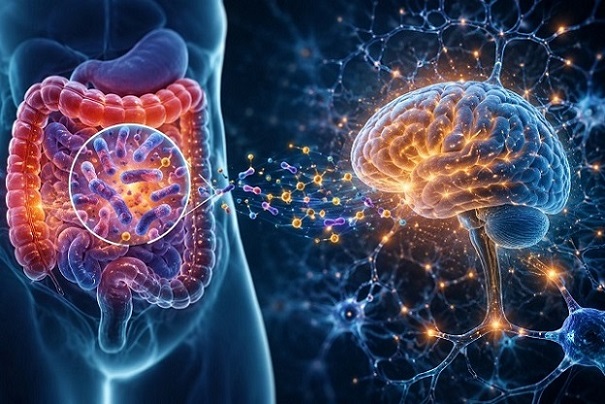 Scientists discover that a probiotic gut bacterium and its metabolite spermidine may help preserve memory and
slow brain aging by reducing inflammation and oxidative stress
Researchers discovered that both the probiotic bacterium and spermidine significantly improved learning and memory in aged animals while also rejuvenating key brain structures linked to cognition. The findings add to growing evidence that the gut and brain are deeply connected and that maintaining a healthy gut microbiome may be crucial for healthy aging.
Scientists Explore the Gut-Brain Connection
The research was conducted by scientists from the Key Laboratory of Cellular Physiology, Ministry of Education, Department of Physiology at Shanxi Medical University; the Department of Pediatrics at Shanxi Medical University; the Translational Medicine Research Center of Shanxi Medical University; the Department of Neurosurgery at Shanxi Provincial People’s Hospital Affiliated to Shanxi Medical University; the Department of Anesthesiology at Shanxi Medical University; and the Department of Nephrology at the Children's Hospital Affiliated with Shanxi Medical University, all located in Taiyuan, Shanxi, China.
Brain aging is commonly associated with declining memory, slower thinking, and reduced cognitive abilities. Previous studies have shown that spermidine, a naturally occurring compound found in living cells, can help delay aging. Scientists also know that gut bacteria are important producers of spermidine. However, it remained unclear whether Clostridium butyricum, a probiotic bacterium capable of producing beneficial compounds in the intestine, could help combat normal age-related brain decline.
Remarkable Improvements in Memory and Learning
To investigate, researchers treated aged rats with either Clostridium butyricum or spermidine and compared them with untreated animals.
The results were striking. Rats receiving either treatment performed significantly better in memory and learning tests. They found hidden platforms faster in maze experiments and demonstrated superior recognition memory when exposed to unfamiliar objects.
Importantly, both treatments worked almost equally well, suggesting that the probiotic may exert many of its protective effects through its ability to increase spermidine levels.
Younger-Looking Brains After Treatment
The scientists also examined the brains of the animals for biological signs of aging. They found that treated rats had significantly fewer aging-related cellular markers in the hippocampus and prefrontal cortex, two brain regions essential for memory, decision-making, and learning.
Microscopic examination revealed healthier synapses
, the communication points between brain cells. The treated animals displayed thicker postsynaptic densities, improved synaptic architecture, and higher densities of dendritic spines, structures that allow neurons to form and strengthen connections.
Levels of important brain-supporting molecules, including brain-derived neurotrophic factor (BDNF) and synaptophysin, were also significantly increased. These proteins are vital for maintaining healthy neural networks and supporting memory formation.
This
Medical News report highlights that these improvements suggest the treatments not only preserved brain function but may have actually reversed several structural features commonly associated with aging.
Strong Protection Against Inflammation and Oxidative Stress
The researchers found another important benefit. Aging animals treated with either spermidine or Clostridium butyricum had lower levels of inflammatory molecules such as TNF-alpha and IL-1 beta in their blood.
At the same time, markers of oxidative stress in the brain were greatly reduced. Harmful lipid oxidation products declined while protective antioxidant enzyme activity increased. Since chronic inflammation and oxidative stress are considered major drivers of brain aging and neurodegeneration, reducing these damaging processes may be a key reason for the cognitive improvements observed.
Healthier Gut Barrier May Be the Missing Link
The study also revealed significant improvements in intestinal health. Treated animals showed stronger intestinal barriers, deeper intestinal crypts, healthier gut tissue architecture, and increased levels of tight-junction proteins that help prevent harmful substances from leaking into the bloodstream.
Researchers believe this improved gut barrier function may reduce inflammatory signals reaching the brain through the gut-brain axis, thereby protecting cognitive function during aging.
Conclusions
The findings provide compelling evidence that both Clostridium butyricum and spermidine can significantly delay age-related cognitive decline. By strengthening the gut barrier, reducing systemic inflammation, lowering oxidative stress, improving synaptic health, and increasing key neuroprotective molecules, these interventions appear to target multiple biological mechanisms involved in brain aging. While the results were obtained in animal models and human studies are still needed, the research suggests that future probiotic and spermidine-based therapies could emerge as promising strategies for preserving memory and maintaining cognitive health well into old age.
The study findings were published in the peer reviewed journal: Behavioural Brain Research.
https://www.sciencedirect.com/science/article/pii/S0166432826002299
For the latest on treating or preventing age-related cognitive decline, keep on logging to Thailand
Medical News.
Read Also:
https://www.thailandmedical.news/articles/anti-aging
https://www.thailandmedical.news/articles/alzheimer,-dementia-




 Share
Share
 Tweet
Tweet
 Share
Share

































