Nikhil Prasad Fact checked by:Thailand Medical News Team Jan 06, 2026 6 months, 2 weeks, 2 days, 18 hours, 20 minutes ago
Medical News: Scientists Explore How PPAR Alpha Could Fight Brain Disorders
Researchers from the University of Ioannina in Greece are shedding new light on a little-known protein that might help protect the brain from serious diseases like Alzheimer’s and Parkinson’s. The protein is called PPAR alpha, short for Peroxisome Proliferator-Activated Receptor Alpha, and it plays a key role in managing how our bodies break down fats for energy.
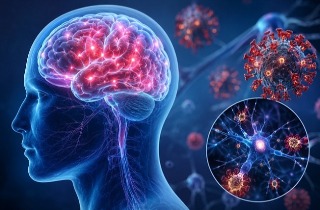
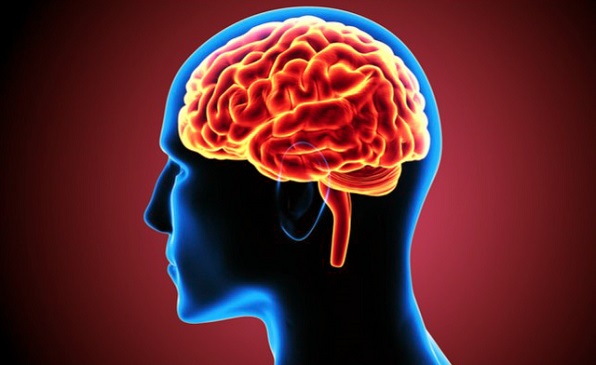 Greek researchers explore how a fat-burning gene regulator may help combat Alzheimer’s and Parkinson’s diseases
While most people associate PPAR alpha with liver function and cholesterol control, this
Medical News report highlights its surprising importance in the brain. The researchers found that this protein may have powerful protective effects against inflammation, toxic protein buildup, and brain cell death—major problems in neurodegenerative diseases.
What Goes Wrong in the Brain
Alzheimer’s and Parkinson’s diseases are among the most common disorders affecting older adults. Alzheimer’s mainly impacts memory and thinking, while Parkinson’s leads to tremors, movement problems, and eventually dementia. In both conditions, brain cells get damaged by harmful processes such as inflammation, oxidative stress, and protein clumps like beta-amyloid or alpha-synuclein.
The Greek research team discovered that PPAR alpha helps counter these harmful effects in multiple ways. It reduces chronic inflammation, supports energy production in cells, and helps clear away misfolded proteins that could otherwise damage neurons.
Promising Results in Animal Studies
Much of the evidence for PPAR alpha’s benefits comes from experiments in mice and rats. For example, one drug called gemfibrozil, typically used to lower cholesterol, was found to reduce harmful beta-amyloid plaques in the brains of Alzheimer’s model mice. It also improved their learning and memory. Another drug, fenofibrate, reduced memory loss and inflammation in rats with Parkinson-like brain damage, while protecting dopamine-producing cells.
Additionally, PPAR alpha activation increased important brain chemicals like BDNF (brain-derived neurotrophic factor), which supports neuron growth and repair. It also promoted the production of neurosteroids, natural compounds that calm inflammation and protect brain cells.
Fighting Brain Inflammation and Toxic Protein Clumps
One of the most dangerous features of Alzheimer’s and Parkinson’s is the brain’s ongoing inflammation. The researchers showed that when PPAR alpha is activated, it blocks key inflammatory signals like NFkB and JAK-STAT, which are responsible for switching on inflammation in brain cells.
Moreover, activating PPAR alpha encouraged the brain to break down harmful proteins using special cleaning systems like autophagy and lysosomes. Thes
e systems help remove the beta-amyloid in Alzheimer’s and alpha-synuclein in Parkinson’s, potentially slowing the diseases’ progress.
Potential Challenges and Gender Differences
Interestingly, the research revealed that PPAR alpha levels naturally decline with age and may differ between men and women. This suggests that therapies targeting PPAR alpha may need to be adjusted depending on the patient’s age and gender. Also, while results from animals are promising, more human trials are needed to confirm these effects.
What the Future Holds
Although current clinical trials are still limited, several are underway to test PPAR alpha drugs like gemfibrozil in human patients with Alzheimer’s and Parkinson’s. These drugs already have approval for treating cholesterol problems, meaning they could potentially be repurposed more easily for brain diseases—if proven safe and effective.
Conclusions
This growing body of research suggests that PPAR alpha could be a major breakthrough in the treatment of brain disorders like Alzheimer’s and Parkinson’s. By fighting inflammation, supporting brain energy, and clearing out toxic proteins, PPAR alpha activation may open new doors for future therapies. However, clinical studies in humans are urgently needed to confirm its potential. With further research, drugs targeting this protein might help millions of people live longer, healthier lives with clearer minds.
The study findings were published in the peer reviewed journal: Biomedicines.
https://www.mdpi.com/2227-9059/13/11/2813
For the latest on neurodegenerative diseases, keep on logging to Thailand
Medical News.
Read Also:
https://www.thailandmedical.news/articles/alzheimer,-dementia-




 Share
Share
 Tweet
Tweet
 Share
Share